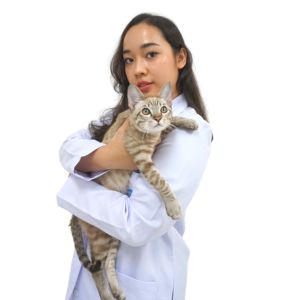
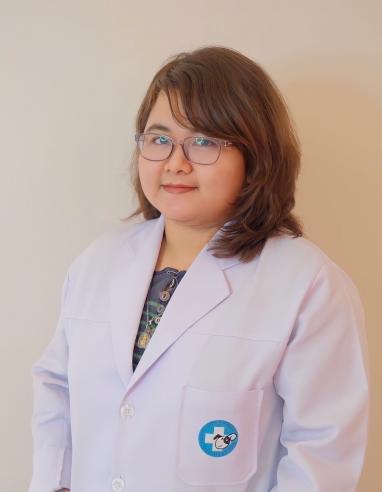
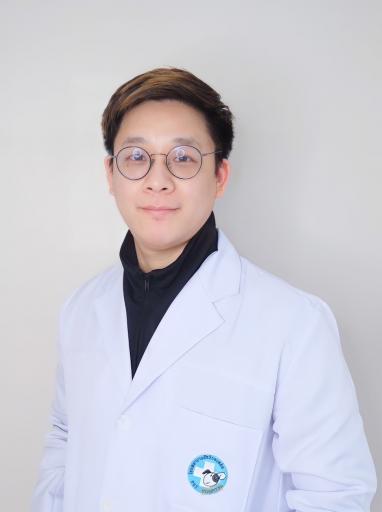
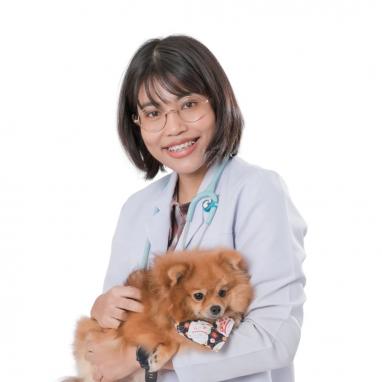
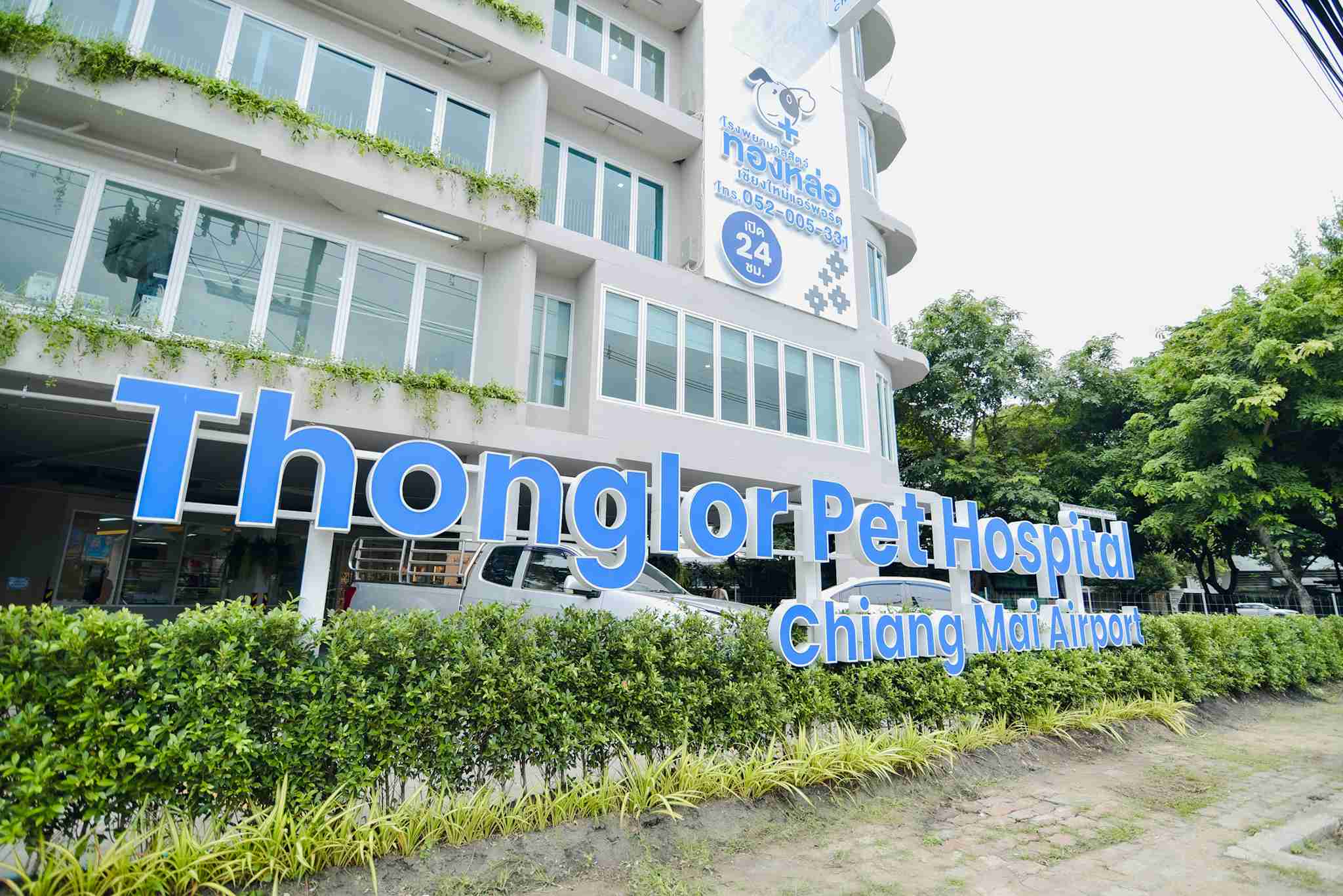
24-Hour Animal Hospital near Chiang Mai Airport
Thonglor Pet Hospital
The branch supports patients from Chiang Mai, Lamphun and northern Thailand, with a focus on complex neurological, orthopaedic and surgical conditions.
Highlighted services include neurology and spine care, orthopaedics, rehabilitation, surgery and diagnostic imaging with CT, digital X-ray and ultrasound, supported by Water Treadmill, Smart IPD, ICU, SCU and Observe Ward.
Opening Hours: Open 24 hours every day
Telephone: 052-005-331
Address: 303 Pa Daet, Mueang Chiang Mai, Chiang Mai 50200, Thailand
Medical Services and Specialty Care
General Practice and Preventive Care
Routine consultations, health checks, vaccination planning, parasite prevention, nutrition guidance and ongoing care for common health concerns.
The veterinary team maintains continuity by reviewing previous examinations, medications, vaccination records and changes over time. When specialist assessment is needed, relevant findings can be coordinated within the hospital network.
24-Hour Emergency and Urgent Care
Assessment and stabilisation for urgent conditions such as breathing difficulty, seizures, collapse, accidents, severe bleeding, acute abdominal distension or inability to urinate. Calling while en route is recommended.
Examples of urgent signs include breathing difficulty, collapse, seizures, major trauma, severe bleeding, marked abdominal swelling, inability to stand, severe pain or inability to urinate. Emergency patients should be transported safely, and calling while en route is recommended whenever possible.
Neurology, Brain and Spine Care
Assessment of seizures, imbalance, head tilt, weakness, paralysis, neck or back pain and spinal disorders. Diagnostic plans may include advanced imaging when clinically indicated.
Urgent neurological signs include seizures, loss of balance, head tilt, sudden weakness, dragging of the limbs, inability to stand, severe neck or back pain and paralysis. Diagnostic and treatment options are selected according to the neurological examination and suspected lesion location.
Orthopaedics and Joint Care
Diagnosis and treatment of fractures, dislocations, ligament injuries, hip and joint disease, developmental bone disorders and mobility problems.
Treatment may include pain control, activity modification, weight management, surgery or rehabilitation. The plan is based on the type of injury or disease, imaging findings, age, body condition and expected functional outcome.
Surgery and Anaesthesia
General, orthopaedic, neurological and emergency surgery, supported by pre-anaesthetic assessment, intra-operative monitoring and post-operative care.
Before surgery, the team assesses the patient’s general health and anaesthetic risk. Monitoring is provided throughout the procedure, followed by pain management, wound care and a recovery plan tailored to the patient.
Physical Therapy and Rehabilitation
Individual rehabilitation plans for neurological, orthopaedic and post-operative patients, which may include therapeutic exercise, laser therapy, hydrotherapy and gait training.
Rehabilitation plans are individualised according to diagnosis, pain, muscle strength, range of motion and stage of recovery. Progress is reassessed so exercises and modalities can be adjusted safely.
Diagnostic Imaging
Diagnostic imaging services may include digital X-ray and ultrasound, selected according to the patient's symptoms and clinical assessment.
Preparation requirements vary by examination and may include fasting, bladder preparation, sedation or anaesthesia. The veterinarian selects the imaging method after reviewing the patient’s symptoms, examination findings and overall health.
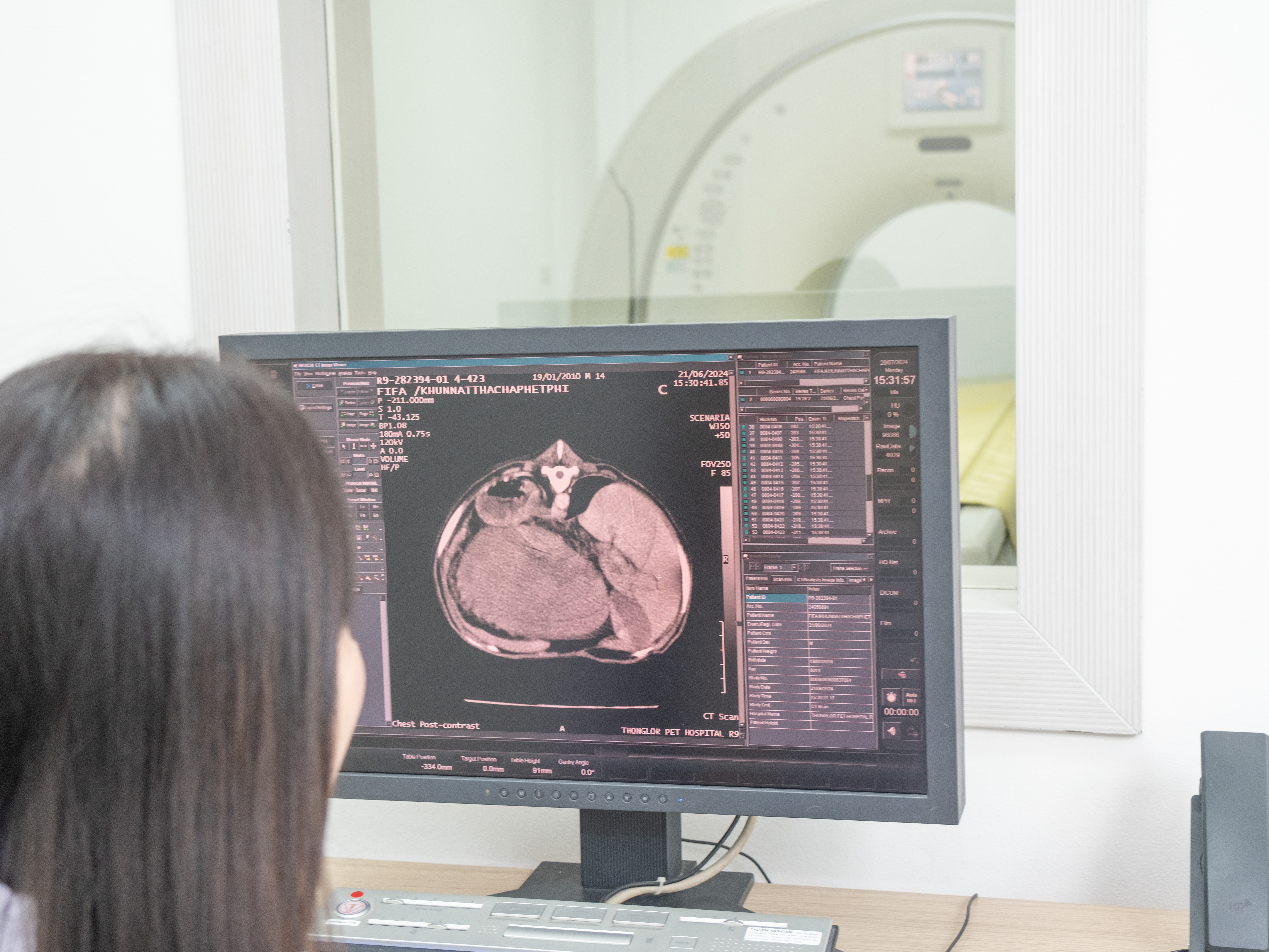
Veterinary CT Scan
Cross-sectional imaging used to investigate selected neurological, spinal, orthopaedic, thoracic, abdominal and other complex conditions. Appointment and preparation requirements may apply.
Preparation requirements vary by examination and may include fasting, bladder preparation, sedation or anaesthesia. The veterinarian selects the imaging method after reviewing the patient’s symptoms, examination findings and overall health.
Northern Thailand Referral Hub
The branch accepts emergency and referral cases from Chiang Mai, Lamphun and other northern areas, particularly patients requiring neurological, spinal, orthopaedic, surgical, imaging or rehabilitation support.
CT Scan and Diagnostic Imaging
CT Scan, Digital X-ray and Ultrasound are available to support assessment and treatment planning according to the patient’s clinical signs.
Preparation requirements vary by examination and may include fasting, bladder preparation, sedation or anaesthesia. The veterinarian selects the imaging method after reviewing the patient’s symptoms, examination findings and overall health.
Water Treadmill Rehabilitation
Water Treadmill sessions may be incorporated into rehabilitation programmes for neurological, orthopaedic and post-operative patients when appropriate.
Rehabilitation plans are individualised according to diagnosis, pain, muscle strength, range of motion and stage of recovery. Progress is reassessed so exercises and modalities can be adjusted safely.
Services and Facilities
ICU, SCU and Observation Wards
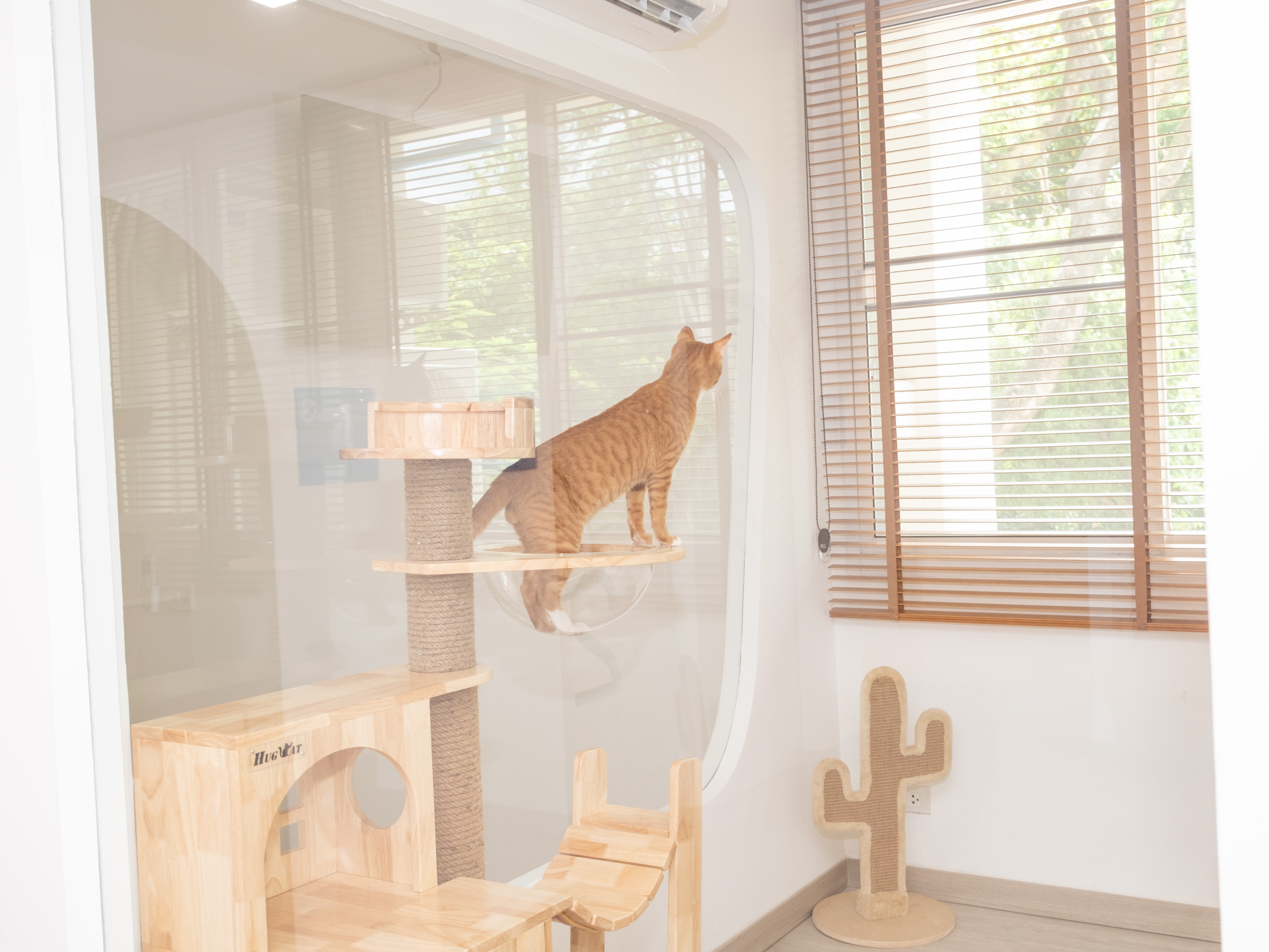
Inpatient areas are assigned according to clinical severity, monitoring needs and infection-control requirements.
The level of monitoring is selected according to clinical severity, treatment needs and infection-control requirements. The medical team discusses the treatment plan, monitoring frequency and visiting conditions with the owner.
Smart Inpatient Ward
Structured inpatient monitoring and continued treatment for patients requiring hospitalisation and close observation.
The level of monitoring is selected according to clinical severity, treatment needs and infection-control requirements. The medical team discusses the treatment plan, monitoring frequency and visiting conditions with the owner.
Medical Boarding
Supervised boarding for pets with ongoing medication, wound care or monitoring needs under an established veterinary treatment plan.
Owners should provide the diagnosis, medication list, dosing schedule, food requirements, wound-care instructions and emergency contact details before admission.
Water Treadmill
Controlled hydrotherapy used within selected rehabilitation programmes to support strength, gait and mobility.
Pet Taxi
Pet transport service subject to service area, schedule, vehicle availability, conditions and fees.
Service area, timing, patient condition, vehicle availability, transport requirements and fees should be confirmed in advance. Critically ill patients may require clinical triage before transport is arranged.
Smart IPD, ICU, SCU and Observe Ward
Inpatient areas are assigned according to clinical severity and monitoring needs, from observation to critical-care support.
The level of monitoring is selected according to clinical severity, treatment needs and infection-control requirements. The medical team discusses the treatment plan, monitoring frequency and visiting conditions with the owner.
FAQ คำถามที่พบบ่อย
Q : Where is Chiang Mai Airport located and what are the opening hours?
Thonglor Pet Hospital Chiang Mai Airport is located at 303 Pa Daet, Mueang Chiang Mai, Chiang Mai 50200, Thailand Open 24 hours every day. The branch telephone number is 052-005-331.
Q : Does the Chiang Mai Airport branch provide CT scans?
Yes. CT, digital X-ray and ultrasound are available for selected patients. CT may require an appointment, fasting and anaesthetic assessment.
Q : What referral cases does the branch commonly coordinate?
The branch highlights neurological and spinal disease, orthopaedic conditions, surgery, rehabilitation and patients requiring advanced imaging or intensive inpatient care.
Q : Is emergency care available 24 hours?
Yes. Emergency assessment is available 24 hours every day. Calling 052-005-331 before arrival is recommended for urgent cases.
Q : What is the Chiang Mai Airport branch known for?
The branch serves as a northern referral hub with strengths in neurology, spine, orthopaedics, surgery, rehabilitation, CT Scan, emergency care and advanced inpatient support.
Q : Does the branch provide CT Scan?
Yes. CT Scan, Digital X-ray and Ultrasound are available according to clinical indications and appointment requirements.
Q : Can neurology, orthopaedics, surgery and rehabilitation be coordinated?
Yes. The relevant teams can coordinate diagnosis, medical treatment, surgery and rehabilitation according to the patient’s condition.
Q : Are Smart IPD, ICU, SCU and Observe Ward available?
Yes. Inpatient areas are assigned according to clinical severity and monitoring requirements.
Q : What is the difference between the two Chiang Mai branches?
Chiang Mai Airport focuses on emergency, referral, CT, neurological, orthopaedic, surgical and rehabilitation cases, while Ruamchoke is suited to continuous family care, heart, eye, skin, internal medicine and feline health.