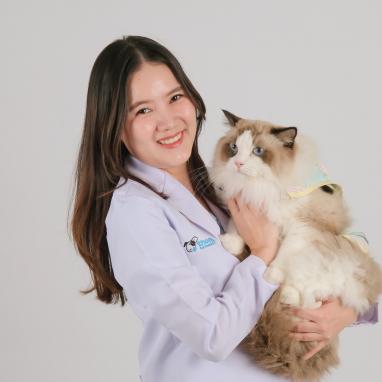
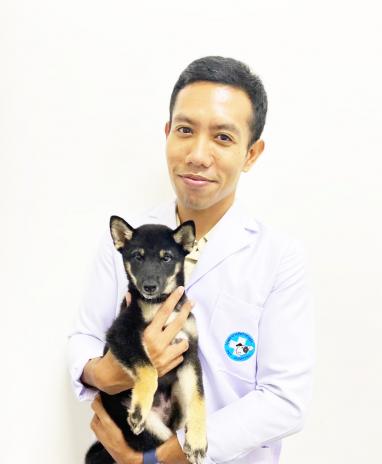
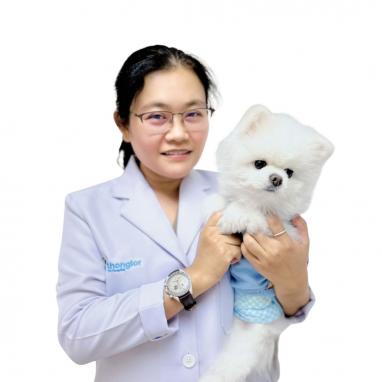
24-Hour Animal Hospital in Pattaya
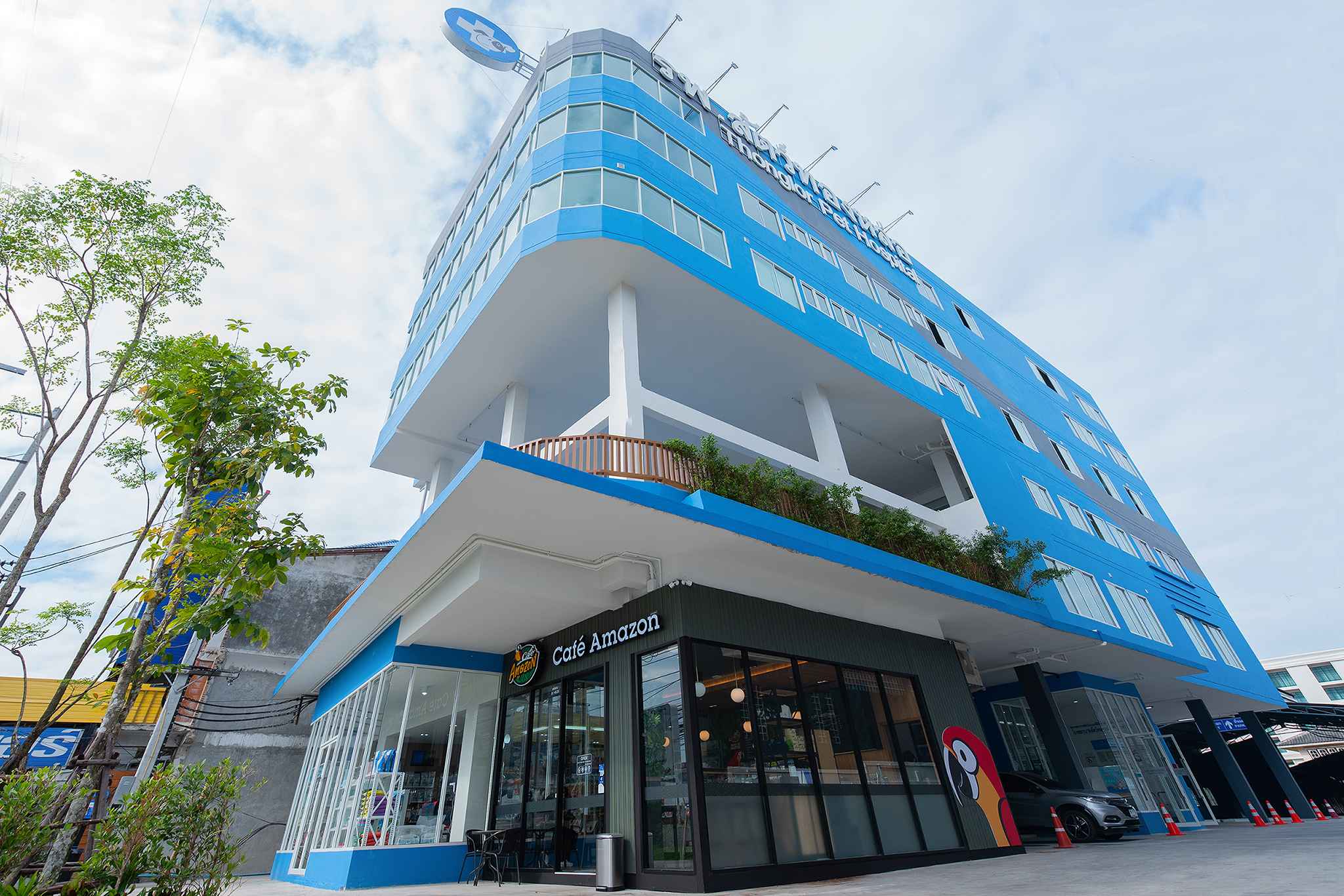
Thonglor Pet Hospital
The branch serves Pattaya, Chonburi and eastern Thailand as a Pet Medical Hub of Eastern Area, with multidisciplinary specialist and inpatient support.
Highlighted services include neurology and spine care, cardiology, orthopaedics, surgery, rehabilitation, CT and MRI, supported by ICU, SCU, Observe Ward, IPD Smart Ward and English-speaking service.
Opening Hours: Open 24 hours every day
Telephone: 02-079-9942
Address: 148-2 Sukhumvit Road, Pattaya City, Nong Prue, Bang Lamung, Chonburi 20150, Thailand
Medical Services and Specialty Care
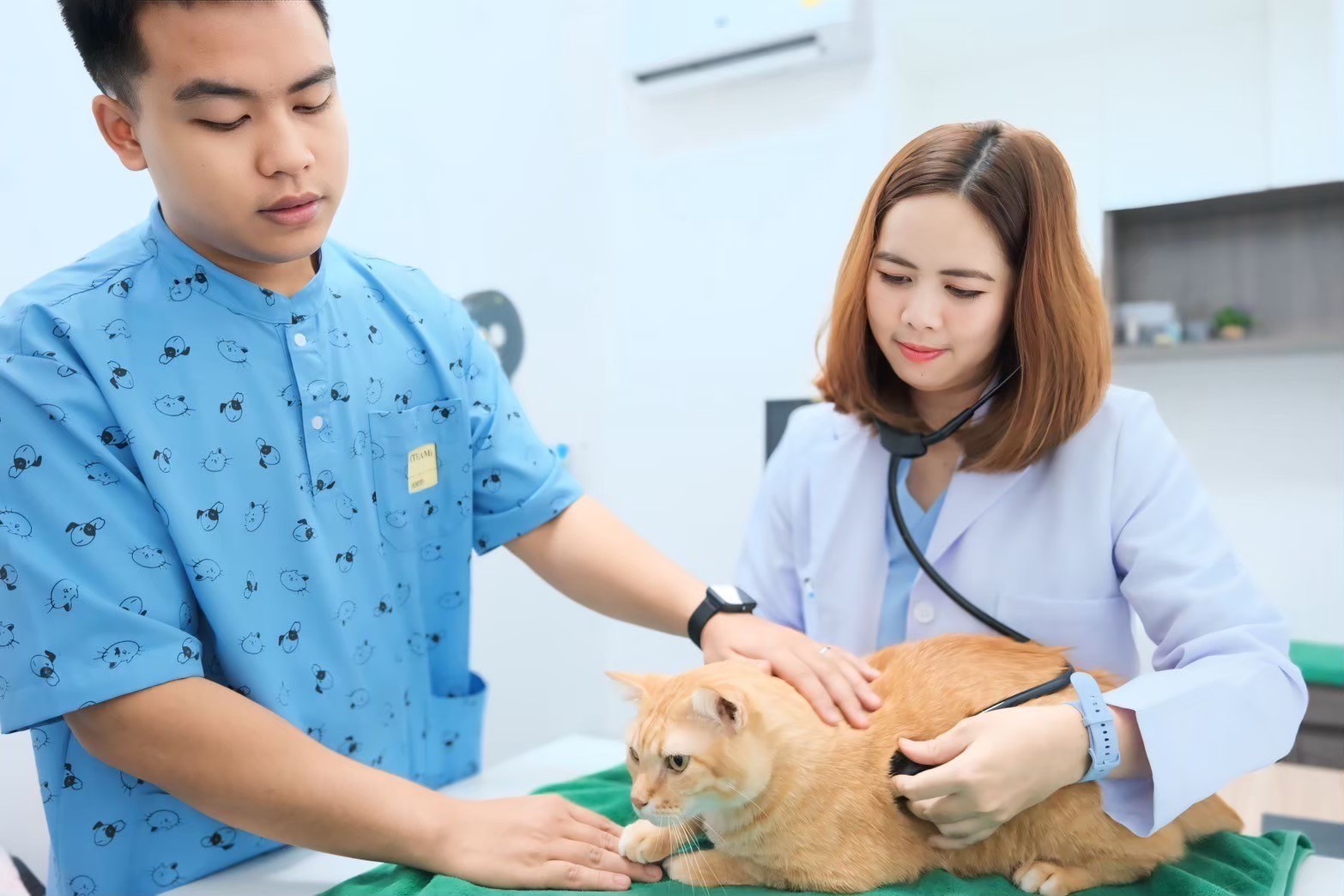
General Practice and Preventive Care
Routine consultations, health checks, vaccination planning, parasite prevention, nutrition guidance and ongoing care for common health concerns.
The veterinary team maintains continuity by reviewing previous examinations, medications, vaccination records and changes over time. When specialist assessment is needed, relevant findings can be coordinated within the hospital network.
24-Hour Emergency and Urgent Care
Assessment and stabilisation for urgent conditions such as breathing difficulty, seizures, collapse, accidents, severe bleeding, acute abdominal distension or inability to urinate. Calling while en route is recommended.
Examples of urgent signs include breathing difficulty, collapse, seizures, major trauma, severe bleeding, marked abdominal swelling, inability to stand, severe pain or inability to urinate. Emergency patients should be transported safely, and calling while en route is recommended whenever possible.
Neurology, Brain and Spine Care
Assessment of seizures, imbalance, head tilt, weakness, paralysis, neck or back pain and spinal disorders. Diagnostic plans may include advanced imaging when clinically indicated.
Urgent neurological signs include seizures, loss of balance, head tilt, sudden weakness, dragging of the limbs, inability to stand, severe neck or back pain and paralysis. Diagnostic and treatment options are selected according to the neurological examination and suspected lesion location.
Cardiology
Assessment of heart and circulatory conditions. Depending on the patient, tests may include echocardiography, electrocardiography and thoracic radiography.
Assessment may be recommended for coughing, rapid breathing, reduced exercise tolerance, fainting, weakness, abdominal enlargement or an abnormal heart sound. Testing may include echocardiography, electrocardiography and thoracic imaging.
Orthopaedics and Joint Care
Diagnosis and treatment of fractures, dislocations, ligament injuries, hip and joint disease, developmental bone disorders and mobility problems.
Treatment may include pain control, activity modification, weight management, surgery or rehabilitation. The plan is based on the type of injury or disease, imaging findings, age, body condition and expected functional outcome.
Surgery and Anaesthesia
General, orthopaedic, neurological and emergency surgery, supported by pre-anaesthetic assessment, intra-operative monitoring and post-operative care.
Before surgery, the team assesses the patient’s general health and anaesthetic risk. Monitoring is provided throughout the procedure, followed by pain management, wound care and a recovery plan tailored to the patient.
Physical Therapy and Rehabilitation
Individual rehabilitation plans for neurological, orthopaedic and post-operative patients, which may include therapeutic exercise, laser therapy, hydrotherapy and gait training.
Rehabilitation plans are individualised according to diagnosis, pain, muscle strength, range of motion and stage of recovery. Progress is reassessed so exercises and modalities can be adjusted safely.
Diagnostic Imaging
Diagnostic imaging services may include digital X-ray and ultrasound, selected according to the patient's symptoms and clinical assessment.
Preparation requirements vary by examination and may include fasting, bladder preparation, sedation or anaesthesia. The veterinarian selects the imaging method after reviewing the patient’s symptoms, examination findings and overall health.
Veterinary CT Scan
Cross-sectional imaging used to investigate selected neurological, spinal, orthopaedic, thoracic, abdominal and other complex conditions. Appointment and preparation requirements may apply.
Preparation requirements vary by examination and may include fasting, bladder preparation, sedation or anaesthesia. The veterinarian selects the imaging method after reviewing the patient’s symptoms, examination findings and overall health.
Veterinary MRI
Advanced soft-tissue imaging used for selected brain, spinal and neurological conditions. Patients may require pre-anaesthetic assessment, fasting and an appointment.
Preparation requirements vary by examination and may include fasting, bladder preparation, sedation or anaesthesia. The veterinarian selects the imaging method after reviewing the patient’s symptoms, examination findings and overall health.
Dermatology and Allergy Care
Care for chronic itching, recurrent ear disease, hair loss, skin infections and suspected food or environmental allergies, with follow-up tailored to each patient.
Common reasons for assessment include persistent itching, redness, hair loss, skin odour, recurrent infection and repeated ear inflammation. Management may require investigation of parasites, infection, food reactions and environmental triggers, followed by structured reassessment.
Ophthalmology
Diagnosis and treatment of eye conditions such as corneal disease, dry eye, glaucoma, cataracts and disorders that may affect vision.
Eye conditions can progress quickly and may affect comfort or vision. Specialist schedules and selected procedures should be confirmed in advance, while sudden eye pain, cloudiness, trauma or vision loss should be assessed promptly.
Oncology and Cancer Care
Assessment of masses, suspected tumours and cancer-related conditions, including diagnostic sampling, imaging, treatment planning, surgery coordination and supportive or palliative care.
The treatment plan depends on tumour type, stage, diagnostic findings and the patient’s general health. Care may involve medical treatment, surgery, supportive care and scheduled follow-up through a multidisciplinary team.
International Pet Travel and Relocation
Guidance for microchipping, health checks, rabies antibody testing, health certificates, travel crates and destination-specific requirements. Preparation should begin well in advance.
Feline care considers species-specific behaviour, stress, handling and disease patterns. Separate areas can reduce exposure to dog noise and odours and may help cats remain calmer during examination or hospitalisation.
Pet Medical Hub of Eastern Area
The Pattaya branch serves as an eastern referral hub for complex and referred patients from Pattaya, Chonburi and the EEC, with multidisciplinary coordination across neurology, orthopaedics, surgery, cardiology and rehabilitation.
CT Scan and MRI
Advanced imaging supports assessment of neurological, spinal, orthopaedic and other complex conditions. The veterinarian selects the appropriate modality according to the patient’s symptoms and suspected disease.
Preparation requirements vary by examination and may include fasting, bladder preparation, sedation or anaesthesia. The veterinarian selects the imaging method after reviewing the patient’s symptoms, examination findings and overall health.
Services and Facilities
ICU, SCU and Observation Wards
Inpatient areas are assigned according to clinical severity, monitoring needs and infection-control requirements.
The level of monitoring is selected according to clinical severity, treatment needs and infection-control requirements. The medical team discusses the treatment plan, monitoring frequency and visiting conditions with the owner.
Smart Inpatient Ward
Structured inpatient monitoring and continued treatment for patients requiring hospitalisation and close observation.
The level of monitoring is selected according to clinical severity, treatment needs and infection-control requirements. The medical team discusses the treatment plan, monitoring frequency and visiting conditions with the owner.
Medical Boarding
Supervised boarding for pets with ongoing medication, wound care or monitoring needs under an established veterinary treatment plan.
Owners should provide the diagnosis, medication list, dosing schedule, food requirements, wound-care instructions and emergency contact details before admission.
Pet Hotel
Boarding for dogs and cats with routine feeding, hygiene and daily-care support. Pets with medical needs should be assessed for Medical Boarding.
Vaccination status, parasite prevention, health requirements, feeding instructions and behavioural concerns should be discussed before check-in. Pets with medical needs may require Medical Boarding instead of standard accommodation.
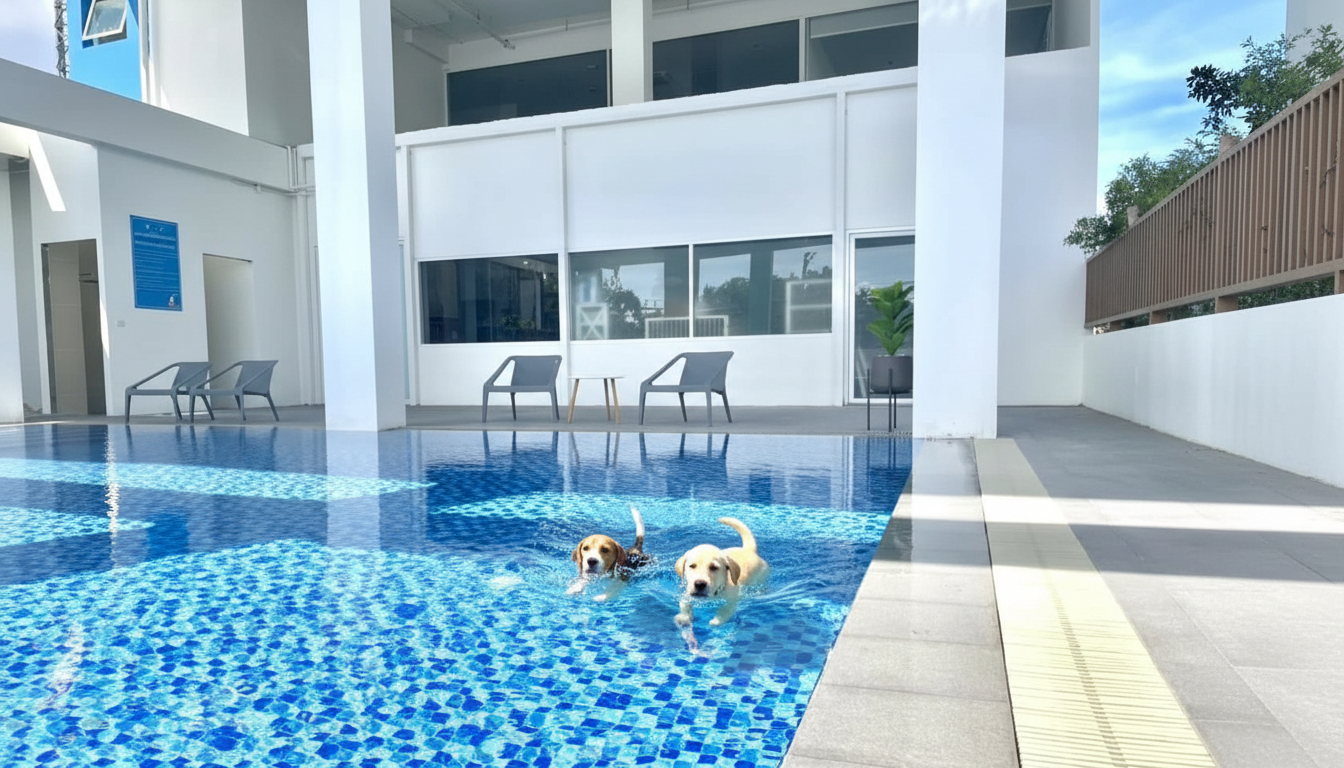
Dog Swimming Pool
Swimming for exercise or rehabilitation according to the pet's health status and programme suitability.
Pets with heart disease, respiratory disease, skin conditions, recent surgery or mobility problems should be assessed before using the pool. Session duration and suitability depend on the intended purpose and the pet’s health.
Medical Grooming
Grooming for healthy pets and pets with relevant medical considerations. Owners should disclose health conditions and special precautions in advance.
Owners should disclose skin disease, wounds, mobility limitations, chronic illness and behavioural concerns before the service so appropriate precautions can be planned.
Pet Shop
Pet food, health-care products and essential supplies for dogs and cats.
Pet Taxi
Pet transport service subject to service area, schedule, vehicle availability, conditions and fees.
Service area, timing, patient condition, vehicle availability, transport requirements and fees should be confirmed in advance. Critically ill patients may require clinical triage before transport is arranged.
English-Speaking Service
English-speaking staff can assist with history taking, clinical explanations, treatment plans, estimates and home-care instructions.
IPD Smart Ward
The IPD Smart Ward supports continuous inpatient treatment and monitoring, alongside ICU, SCU and Observe Ward services.
The level of monitoring is selected according to clinical severity, treatment needs and infection-control requirements. The medical team discusses the treatment plan, monitoring frequency and visiting conditions with the owner.
FAQ คำถามที่พบบ่อย
Q : Where is Pattaya located and what are the opening hours?
Thonglor Pet Hospital Pattaya is located at 148-2 Sukhumvit Road, Pattaya City, Nong Prue, Bang Lamung, Chonburi 20150, Thailand Open 24 hours every day. The branch telephone number is 02-079-9942.
Q : Does the Pattaya branch provide CT and MRI?
Yes. CT and MRI are available for selected patients. Veterinary assessment, an appointment and preparation such as fasting may be required.
Q : Does the hospital accept referral cases from eastern Thailand?
Yes. The branch accepts referral cases, particularly neurological, cardiac, orthopaedic, surgical and complex inpatient patients. Please send available records before transfer.
Q : Is English-speaking service available?
Yes. English-speaking staff can assist international residents and visitors with clinical communication, treatment plans and home-care instructions.
Q : What is the Pattaya branch known for?
The branch serves as a Pet Medical Hub of Eastern Area, with strengths in neurology, spine, cardiology, orthopaedics, surgery, rehabilitation and complex referral care.
Q : What specialist centres are available?
Key specialist services include the Brain and Spine Center, Heart Center, Bone and Joint Center, Dermatology and Allergy Center, Surgery Center, and Physical Therapy and Rehabilitation Center.
Q : Can neurology, orthopaedics, surgery and rehabilitation be coordinated?
Yes. Multidisciplinary teams can coordinate assessment, treatment, surgery and rehabilitation according to the patient’s needs.
Q : Does the branch provide CT and MRI?
Yes. CT and MRI are available for selected patients according to clinical indications, preparation requirements and veterinarian assessment.
Q : How does the Pattaya branch coordinate with Rayong?
The Pattaya and Rayong branches can coordinate referrals according to the patient’s condition, required equipment and service availability.