Cardiovascular Center – Thonglor Pet Hospital
Early Detection. Rapid Diagnosis. Treatable at Every Stage.
Conditions & Specialized Care
Commonly found in aging small-breed dogs.
Including Hypertrophic Cardiomyopathy (HCM) in cats and Dilated Cardiomyopathy (DCM) in dogs.
Structural defects from birth, such as Patent Ductus Arteriosus (PDA) or Septal Defects.
Emergency management of Pulmonary Edema (fluid in lungs) and life-saving interventions.
Diagnosis and long-term management of irregular heart rhythms.
Comprehensive treatment and assessment of cardiac damage caused by heartworm infection.
Diagnostic Services
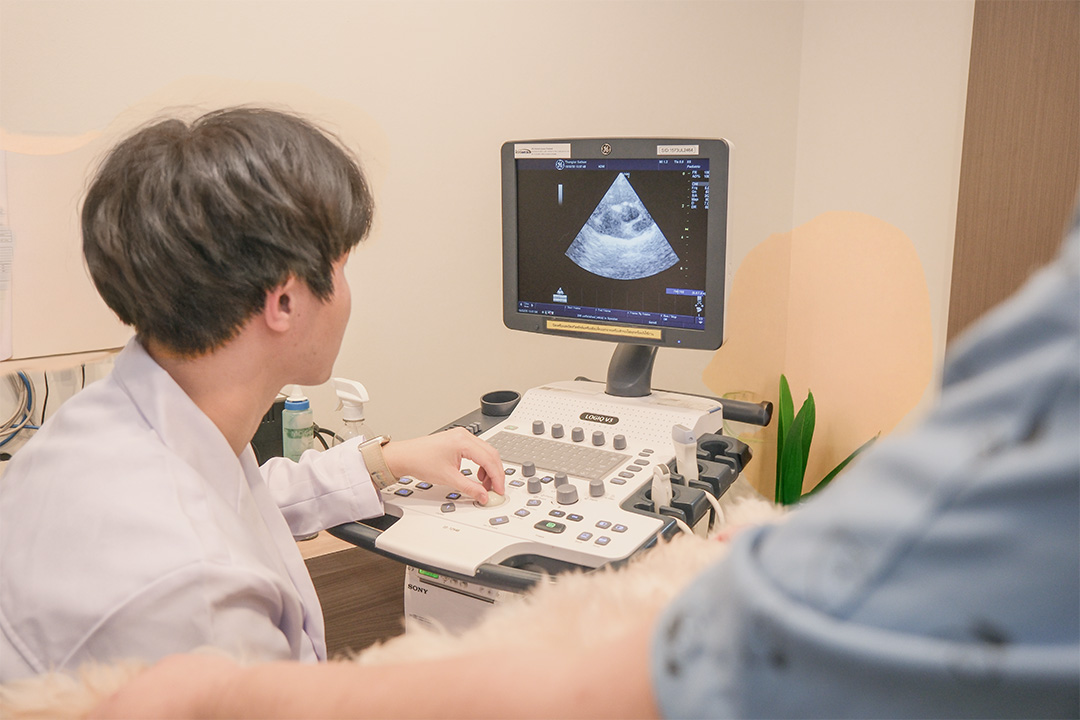
To accurately determine the cause and severity of cardiac conditions, Thonglor Heart Center is equipped with state-of-the-art diagnostic technology, including
- Electrocardiogram - ECG : To monitor heart rhythms and detect electrical conduction abnormalities.
- Echocardiography : Performed by specialized cardiologists to assess heart structure, contractility, and hemodynamics.
- Chest X-ray : To evaluate heart size, shape, and the overall condition of the lungs and pulmonary vessels.
- Blood Pressure Monitoring : To detect hypertension which can significantly impact cardiac function.
- Laboratory Blood Tests : Including cardiac biomarkers (such as NT-proBNP) to detect myocardial stretch or damage and comprehensive profiles to assess overall health before initiating treatment.
- 4D Echocardiography
- 3D Cardiac CT Scan
- Electrocardiography (ECG)
- 24 hour Holter Monitoring
- Cardiac Biomarker Testing
- Genetic Screening for Heart Diseases
- Pacemaker Implantation
- Surgical Correction of Patent Ductus Arteriosus (PDA)
- Mitral Valve Repair using V-Clamp Technique
Medical Care & Treatment

We prioritize the Quality of Life (QoL) of every patient through a holistic and personalized care approach
- Medical Management : Tailored pharmacological protocols designed for each stage of the disease to optimize cardiac function and reduce the heart’s workload.
- Intensive Care Unit (ICU) : Equipped with specialized oxygen therapy cages and life-saving equipment, managed by a dedicated 24/7 medical team for critical cases involving respiratory distress or pulmonary edema.
- Follow-up : A structured monitoring system to track disease progression and fine-tune medications according to the pet’s evolving clinical status.
- Nutritional Counseling : Expert guidance on cardiac-specific diets and weight management to minimize cardiac strain and support overall longevity.
FAQ
Q : What signs suggest my dog may have heart disease?
Common signs include coughing (especially at night), exercise intolerance, rapid breathing, fainting, and abdominal distension. If you notice these, book a cardiac examination promptly. Tel. 02-079-9999
Q : What equipment does the Cardiovascular Center use?
The center is equipped with echocardiography (colour Doppler), electrocardiography (ECG), Holter monitoring, chest radiography, and blood pressure measurement – the same standards used in human cardiology
Q : How often should a dog with heart disease be monitored?"
Frequency depends on the stage and severity of disease. The veterinarian will set a monitoring plan, typically every 3–6 months. Early stages may be monitored annually. Tel. 02-079-9999
Q : Can cats have heart disease?
Yes – hypertrophic cardiomyopathy (HCM) is the most common heart disease in cats. Many cats show no obvious signs until the condition is advanced, so annual screening echocardiography is recommended for at-risk breeds such as Maine Coon and Ragdoll.
Q : Is heart disease in pets curable?
Most cardiac conditions in pets can be managed rather than cured, but early detection and proper treatment allow many pets to have a good quality of life for years. Tel. 02-079-9999
Our Center & Clinic Specialists
















Clinical Cases
Pet diary

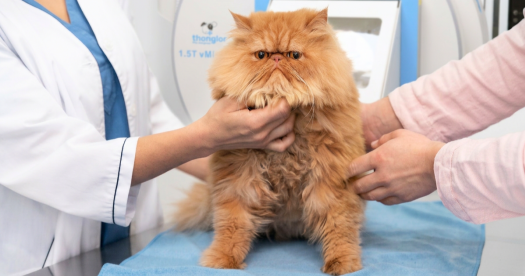
NT-proBNP Heart Screening for Cats: Catching Disease Before Symptoms Appear
Your cat may look perfectly healthy but still be hiding heart disease. Learn how NT-proBNP testing helps detect feline HCM early, before it becomes life-threatening.
ดูเพิ่มเติม
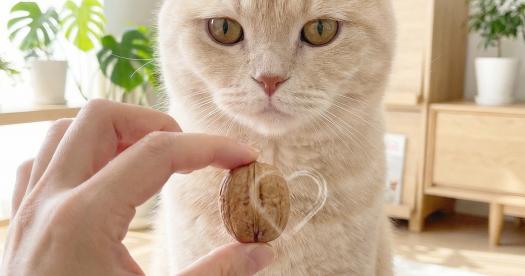
Did you know? A cat’s heart is only about the size of a "walnut."
No matter how round or fluffy your feline friend may be, their heart is surprisingly small—just about the size of a walnut. Cats are masters at hiding pain and discomfort. Often, heart conditions like Hypertrophic Cardiomyopathy (HCM)—the most common heart disease in cats
ดูเพิ่มเติม
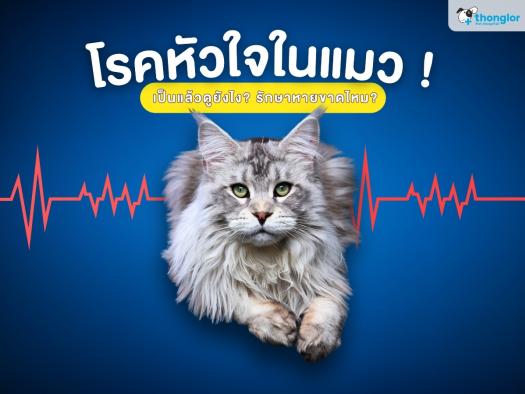
Heart Disease in Cats How to Spot the Signs and Can It Be Cured?
Heart disease is one of the most concerning conditions in cats, primarily because it often goes unnoticed without careful observation. Cats suffering from heart issues may exhibit symptoms such as panting, a dry cough, exercise intolerance (tiring easily), and labored or heavy breathing. Additionally, you may notice cyanosis, where the mucous membranes (such as the gums or tongue) turn a bluish or purple tint due to a lack of oxygen.
ดูเพิ่มเติม