Endoscopy for Dogs: Safe & Non-Surgical Foreign Body Removal

5 Reasons Your Cat Keeps Having Recurring Diarrhea
Every cat owner needs to read this! Who's scooped the litter box and found "loose cat poop" that just won't form into a proper log? Today we've rounded up 5 reasons cats have recurring diarrhea.
Sudden Diet Change
Your cat's digestive system can't adapt in time. Switching food 100% in a single day throws their gut completely off balance.
The Fix: Gradually mix the old food with the new food little by little, over 7-10 days.
Parasites and Protozoa
Even if your cat lives 100% indoors, that doesn't mean they're free from parasites. Parasite eggs can hitch a ride on our shoes, or on cockroaches and geckos your cat likes to chase.
The Fix: Deworm regularly according to the schedule recommended by your veterinarian.
Food Allergies
Some cats are allergic to protein from chicken, beef, or even grains in dry kibble. This kind of allergy causes chronic intestinal inflammation and non-stop diarrhea, and some cats also experience itching.
The Fix: Consult your veterinarian about switching to a hypoallergenic formula, or work together to find the true underlying cause first.
Accumulated Stress
Cats are extremely sensitive animals. Moving house, a new family member (human or pet), or even loud noise from nearby construction can cause diarrhea, because stress stimulates the gut.
The Fix: Create a safe space for your cat, and use pheromone diffusers or catnip to help them relax.
Imbalanced Gut Bacteria
A cat's gut contains both good and bad bacteria. If bad bacteria multiply too much from eating something unclean, or from long-term antibiotic use, it can lead to chronic loose stools.
The Fix: Add a cat-specific probiotic supplement to help restore balance.
Danger signs: If the diarrhea contains blood, along with lethargy, loss of appetite, or vomiting, get to the vet right away! Don't just Google it -- if your cat has recurring diarrhea, book an appointment to consult with a veterinarian, for the peace of mind of both you and your cat.
Contact Thonglor Pet Hospital
Have questions about veterinary care for your pet in Thailand? Contact our team to ask about services, find a suitable branch or arrange an appointment.
If you need English-speaking assistance, please let us know when booking so we can confirm availability.
Book an appointment: Schedule your visit
Call us: +66 2 079 9999
LINE: @jaothonglor
Find a location: Explore our branches
For information about opening hours, treatment costs and preparing for your visit, see our Frequently Asked Questions.
Related in This Category
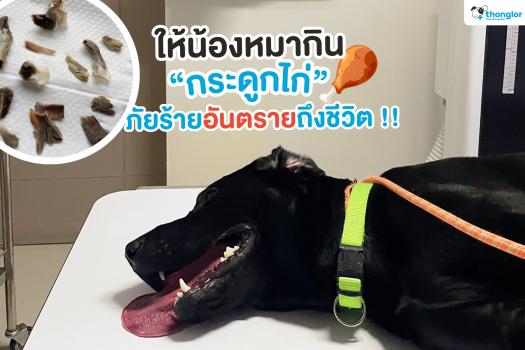
The Deadly Crunch Why Chicken Bones are a Life-Threatening Threat to Your Dog
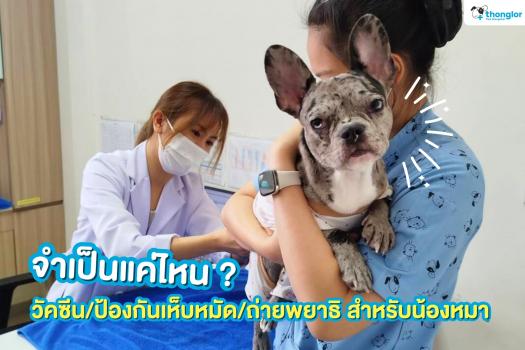
Essential or Optional? Understanding Vaccines, Parasite Prevention, and Deworming for Dogs

When a Tiny Lump is No Small Matter

A Hidden Path to Bloodstream Infection