PDA Surgery

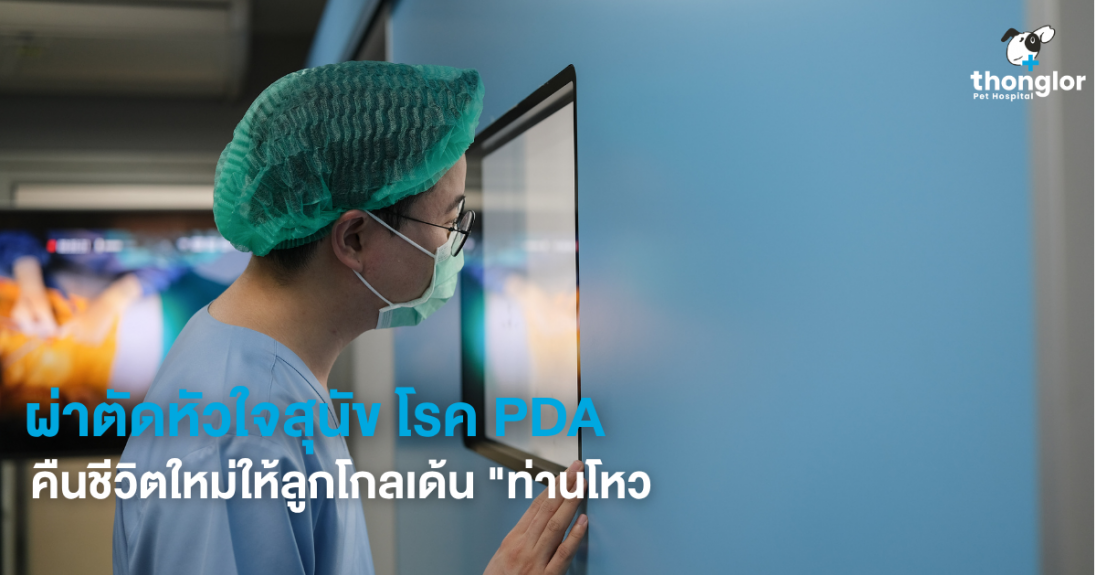
When a Tiny Heart Needed Help
At just two months old — an age when most puppies are tumbling through life, exploring and playing — Tan How, a male Golden Retriever puppy, faced something far more serious. He was born with a congenital heart condition known as Patent Ductus Arteriosus (PDA), a condition where an abnormal blood vessel connection forces the heart to work far harder than it should.
Without treatment, PDA can progress to heart failure. Time was not on his side.
What Is Patent Ductus Arteriosus (PDA) in Dogs?
Patent Ductus Arteriosus (PDA) occurs when a blood vessel that should close naturally after birth remains open, causing abnormal blood flow between the aorta and pulmonary artery. This forces the heart to pump more blood than normal, placing progressive strain on the cardiac muscle.
Common signs of PDA in dogs:
- Rapid or labored breathing
- Exercise intolerance and fatigue
- Failure to gain weight normally
- Heart murmur detected on examination
How common is PDA? PDA is the most commonly diagnosed congenital heart defect in dogs. Breeds with higher prevalence include Poodles, Maltese, Pomeranians, and Golden Retrievers. It occurs more frequently in females than males.
Diagnosis and Treatment Planning
When Tan How arrived at the Cardiology Center at Thonglor Pet Hospital, the team conducted a thorough diagnostic workup including:
- Echocardiography to confirm PDA location and severity
- Chest radiography to assess cardiac enlargement and pulmonary status
- Anesthetic risk assessment given the patient's young age and small body weight
The conclusion was clear — early intervention was critical. The team proceeded with surgical PDA ligation using a Titanium Clip — a material chosen for its strength, durability, biocompatibility, and long-term safety.
The Day of Surgery: The Power of a Team
Open-heart surgery in a two-month-old puppy is anything but routine. On the day of the procedure, more than 10 veterinarians were present in the operating room — alongside nursing staff and support teams.
The multidisciplinary team included:
- Cardiologists — responsible for detailed diagnosis and treatment planning
- Surgeons — performing precise ligation of the abnormal vessel
- Anesthesiologists — monitoring every breath throughout the procedure
- Radiologists — providing imaging support and precision assessment
- Nursing and support staff — providing close monitoring before, during, and after surgery
This outcome was not the achievement of one doctor. It was the result of a team united by a single goal: to give Tan How the healthy life every puppy deserves.
Outcome: Tan How Goes Home
The surgery was a success. Tan How recovered well and was reunited with his family — his heart now beating strong, his future wide open.
Frequently Asked Questions: PDA in Dogs
Q: Can PDA in dogs be cured? Yes. When treated surgically at an early stage, most dogs with PDA recover fully and go on to live normal, healthy lives.
Q: How soon should surgery be performed? As early as possible. Delaying treatment allows cumulative strain on the heart and increases the risk of irreversible cardiac damage or heart failure.
Q: Does Thonglor Pet Hospital treat heart conditions in dogs? Yes. Our Cardiology Center is equipped with advanced diagnostic technology — including Echocardiography, CT Scan, and a fully equipped surgical suite — staffed by board-trained veterinary cardiologists and surgeons.
Q: Can very young puppies undergo heart surgery? Yes. Our experienced anesthesiology team is trained to manage patients across all ages and sizes, with protocols tailored for neonatal and pediatric cases.
Consult the Cardiology Center at Thonglor Pet Hospital
If your dog or cat shows any signs of heart abnormality — unusual breathing, fatigue, or a detected murmur — don't wait. Early detection makes all the difference.
Contact Thonglor Pet Hospital
Have questions about veterinary care for your pet in Thailand? Contact our team to ask about services, find a suitable branch or arrange an appointment.
If you need English-speaking assistance, please let us know when booking so we can confirm availability.
Book an appointment: Schedule your visit
Call us: +66 2 079 9999
LINE: @jaothonglor
Find a location: Explore our branches
For information about opening hours, treatment costs and preparing for your visit, see our Frequently Asked Questions.
Related in This Category
The Deadly Crunch Why Chicken Bones are a Life-Threatening Threat to Your Dog
Essential or Optional? Understanding Vaccines, Parasite Prevention, and Deworming for Dogs

When a Tiny Lump is No Small Matter
A Hidden Path to Bloodstream Infection