Why Neglecting Your Cat’s Dental Scaling Leads to Severe Gingivitis

แชร์
25 พฤษภาคม 2569 44 ครั้ง

Why Neglecting Your Cat's Dental Scaling Leads to Severe Gingivitis

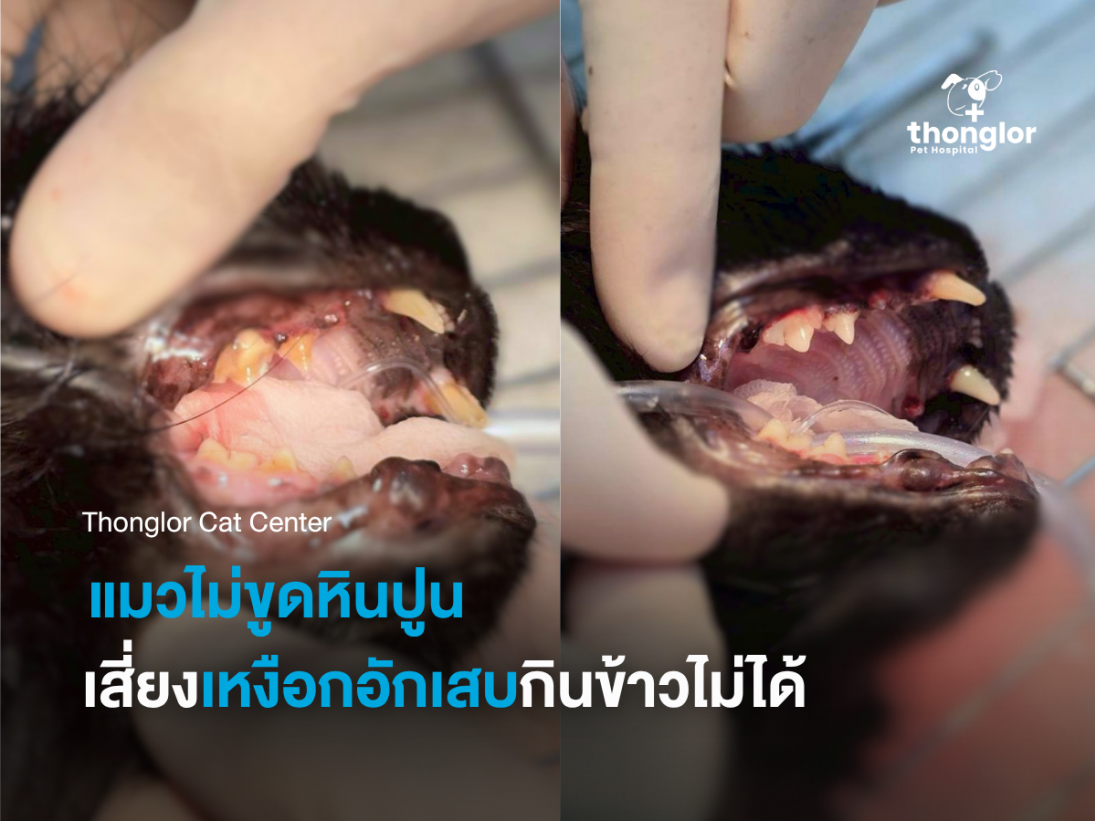
When a cat refuses to eat, it doesn't always mean they are being picky; often, they are suffering from severe mouth pain. Take the case of "Nyx," a 13-year-old European Shorthair who stopped eating completely. The examination revealed an extensive accumulation of dental calculus (tartar), which triggered severe gingivitis (gum inflammation), making every bite excruciatingly painful.


Post-Dental Scaling: The Road to Recovery

  • Pain Relief: Removing the heavy tartar allows the gums to heal and effectively reduces inflammation, restoring your cat's appetite and joy of eating.

  • Fresh Breath: Eliminating the bacterial buildup eliminates foul mouth odors, allowing you to cuddle and kiss your pet without any unpleasant smells.


Q&A: 5 FAQs on Feline Dental Care & Gingivitis


Q1: Is anesthesia mandatory for cat dental scaling? Is it safe for senior cats?

A: Yes, general anesthesia is required to ensure a thorough cleaning under the gumline and to prevent stress or injury. For senior cats like Nyx, comprehensive pre-anesthetic blood screenings and physical checks are thoroughly conducted to minimize risk.


Q2: What are the warning signs of dental pain in cats besides a loss of appetite?

A: Look out for excessive drooling, severe halitosis (bad breath), pawing at the mouth, dropping food while eating, or sudden social withdrawal due to chronic discomfort.


Q3: How does untreated dental tartar affect a cat's internal organs?

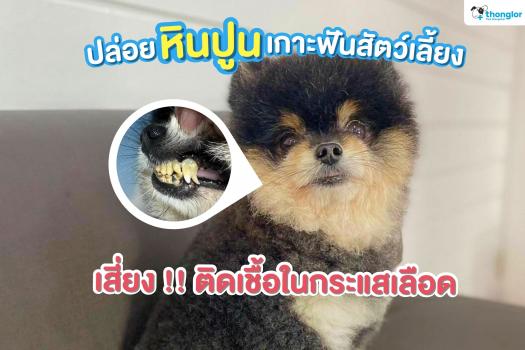
A: Dental tartar is packed with bacteria. If left untreated, bacteria can enter the bloodstream through inflamed gum tissues, potentially traveling to and damaging major organs such as the heart valves, kidneys, and liver over time.


Q4: Can dental treats or dry kibble replace professional dental scaling?

A: They can slow down plaque formation but cannot replace professional scaling. Once plaque hardens into tartar, it bonds firmly to the teeth and can only be safely removed with professional veterinary ultrasonic scalers.


Q5: How often should cats have their teeth checked and scaled?

A: We recommend a veterinary dental checkup at least once a year starting from 1 year of age. Early assessment is vital, as cats are prone to painful conditions like Feline Odontoclastic Resorptive Lesions (FORL) which require timely intervention.


Protect your companion's dental health and happiness. Schedule a checkup today at: Oral and Dental Clinic | Thonglor Pet Hospital


"For any inquiries regarding pet care, grooming, swimming sessions, or online shopping, feel free to reach out to us through the following channels:


#ThonglorPetHospital #TheBestAlways