Sudden Paralysis in Cats: The Hidden Danger of Heart Disease

แชร์
23 เมษายน 2569 404 ครั้ง

Sudden Paralysis in Cats: The Hidden Danger of Heart Disease

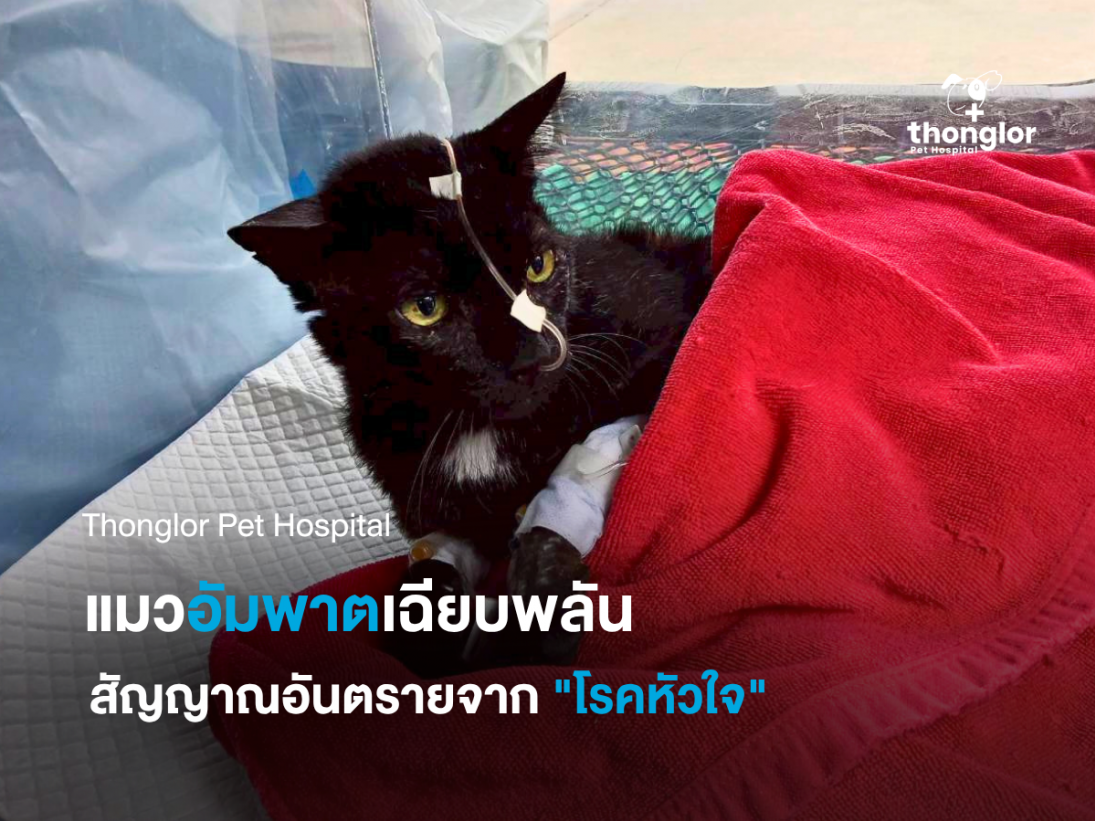
Case Study: "Ninja," a cat who presented with a terrifying condition—sudden hind limb paralysis, ice-cold paws, and persistent vocalization of intense pain. An Echocardiogram revealed the culprit: Hypertrophic Cardiomyopathy (HCM) leading to a blood pool forming a clot that traveled and blocked the main artery.

This emergency is known as FATE (Feline Aortic Thromboembolism).


What is FATE and Why Does it Cause Paralysis?

FATE occurs when a blood clot forms in an abnormal heart (usually due to HCM) and is swept into the bloodstream until it gets "stuck" in a major artery. The most frequent site is the "saddle" where the aorta branches to the hind legs. This blockage cuts off oxygen to the tissues, causing excruciating pain and immediate loss of leg function.

Emergency Signs – Seek Immediate Vet Care:

  1. Vocalizing Pain: Loud, distressed crying due to ischemic pain.

  2. Sudden Paralysis: Unexpected weakness or dragging of the hind legs.

  3. Cold, Pale Paws: Paw pads feel significantly colder than the rest of the body and may look pale or bluish/purple.


Q&A: 5 FAQs on Feline FATE & Heart Disease


Q1: Do all cats with heart disease develop blood clots?

A: Not all, but cats with advanced HCM and an enlarged left atrium are at high risk. Regular screening allows veterinarians to prescribe preventative anticoagulants before a clot forms.


Q2: Should I wait and see if my cat’s leg movement returns on its own?

A: Absolutely not. FATE is a life-threatening emergency. The sooner the cat receives high-level pain management and anticoagulant therapy, the better the prognosis. Delaying treatment leads to irreversible tissue death.


Q3: Can a cat recover from FATE?

A: Yes. Cats that survive the critical first 24–48 hours with intensive care have a chance to regain leg function and walk again. However, lifelong management of the underlying heart disease is required.


Q4: How can I tell if my cat is at risk for HCM?

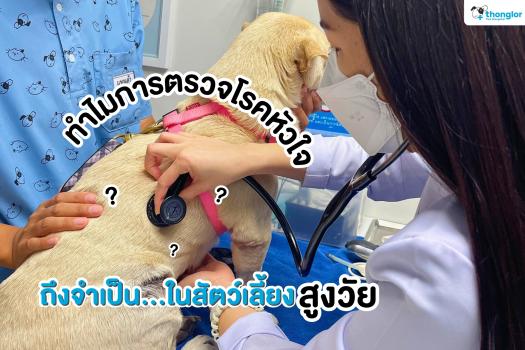
A: Most cats with heart disease are "silent sufferers" and show no symptoms until a crisis occurs. Professional Heart Screening, including physical exams and Echocardiograms, is the only way to detect HCM early.


Q5: Is this disease related to a cat's age?

A: HCM can affect cats of any age, from kittens to seniors. Certain breeds like Maine Coons, Ragdolls, and British Shorthairs have a genetic predisposition, but it is frequently seen in mixed-breed domestic cats as well.


"Prevention is better than a cure. Screen their hearts today." Support Ninja’s journey to recovery and consult our specialists at: Thonglor Heart Center | Thonglor Pet Hospital


"For any inquiries regarding pet care, grooming, swimming sessions, or online shopping, feel free to reach out to us through the following channels:


#ThonglorPetHospital #TheBestAlways