Cat Swallowed Foreign Object: Safe Non-Surgical Emergency Care

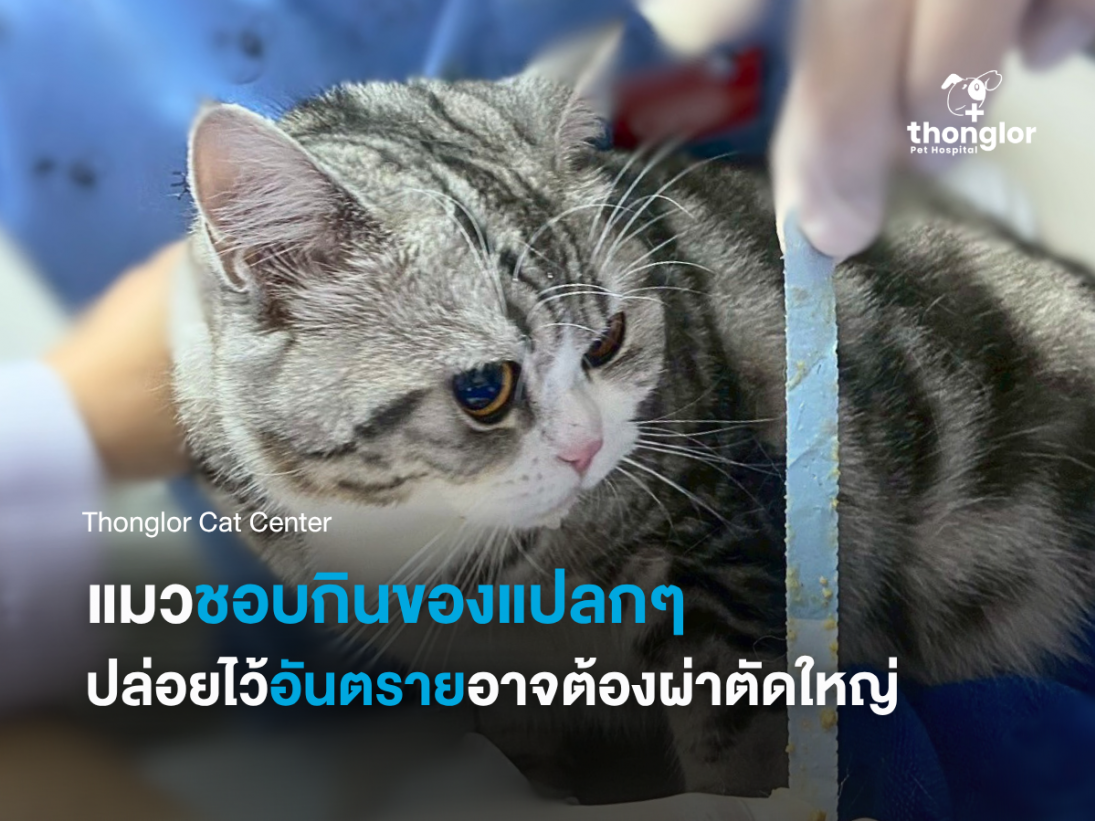
Found a Tumor on Your Cat? Steps to Handle It Before It Spreads
Many cats with "tumors" go back to being playful and happy after surgery. The scariest thing isn't the tumor itself, but "waiting too long" until it's too late. If you feel a lump on your cat, here's how to handle it.
What to Do First When You Find a Lump on Your Cat
Follow these 3 steps: 1) Basic check -- a lump that rolls freely is usually a cyst, while a hard, fixed, or fast-growing lump is a concerning sign. 2) Get an FNA test -- have a veterinarian aspirate cells from the lump for examination under a microscope to determine if it's benign or malignant. 3) Record the date, size, and location of the lump, and take photos to compare over time.
What Not to Do When You Find a Lump on Your Cat
Don't massage or repeatedly rub the lump, since this may cause certain types of cancer to spread. And don't let your cat lick or bite at the lump until it becomes a wound -- put a protective collar on them before bringing them to see a veterinarian.
What Is FNA, and What Does It Tell You?
FNA (Fine Needle Aspiration) uses a small needle to draw cells from the lump for examination under a microscope. It's not very painful, gives fast results, and can tell you whether the growth is benign or malignant, helping your veterinarian plan targeted treatment and save on long-term costs.
Can a Cat Return to Normal After Tumor Removal Surgery?
Yes. Many cats go back to being playful and happy after surgery. The outcome depends on the type and stage of the tumor. Seeing a veterinarian early is the most important key.
Don't wait until the lump grows or spreads. If you feel an unusual lump on your cat, consult Dr. Thaya Sutabutr, Oncology Clinic, Thonglor Pet Hospital, at 02-079-9999.
Contact Thonglor Pet Hospital
Have questions about veterinary care for your pet in Thailand? Contact our team to ask about services, find a suitable branch or arrange an appointment.
If you need English-speaking assistance, please let us know when booking so we can confirm availability.
Book an appointment: Schedule your visit
Call us: +66 2 079 9999
LINE: @jaothonglor
Find a location: Explore our branches
For information about opening hours, treatment costs and preparing for your visit, see our Frequently Asked Questions.
Related in This Category
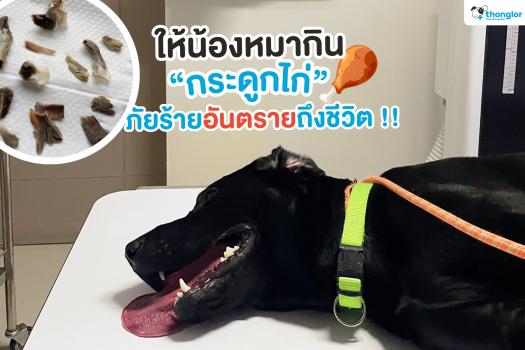
The Deadly Crunch Why Chicken Bones are a Life-Threatening Threat to Your Dog
Essential or Optional? Understanding Vaccines, Parasite Prevention, and Deworming for Dogs

When a Tiny Lump is No Small Matter
A Hidden Path to Bloodstream Infection