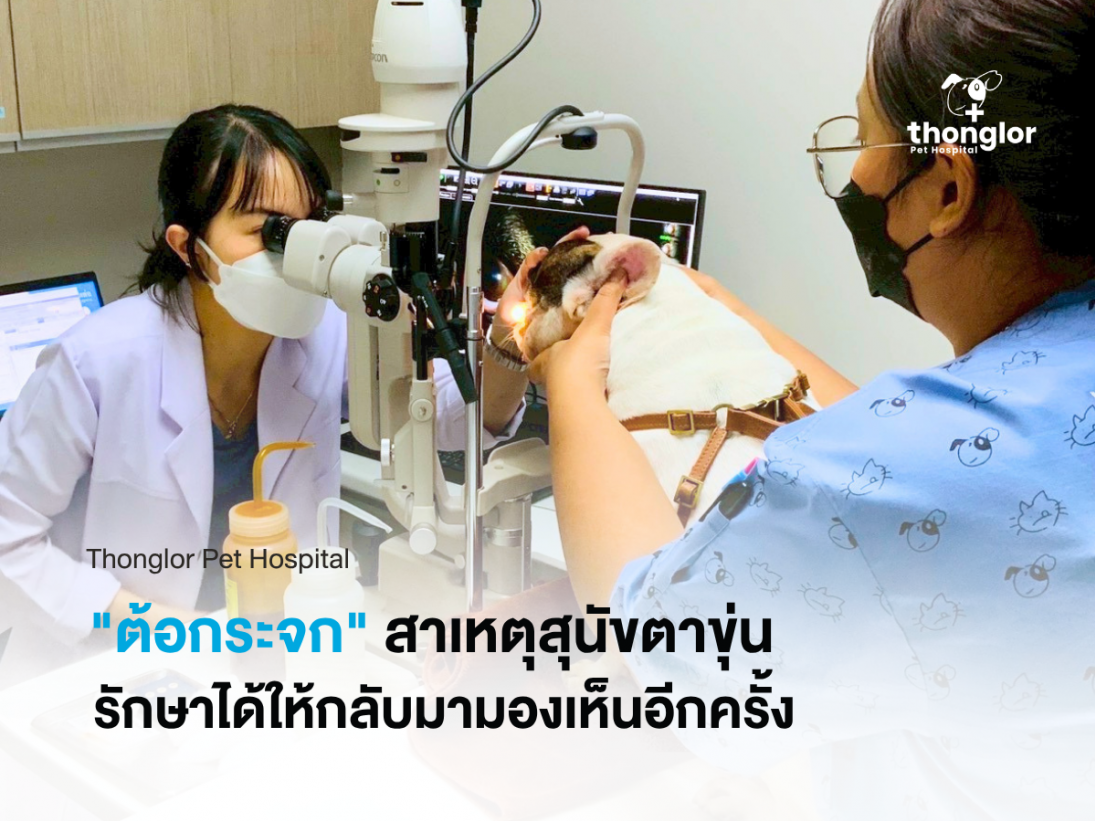
Dog Cataracts: Understanding Causes, Symptoms, and Advanced Vision Res

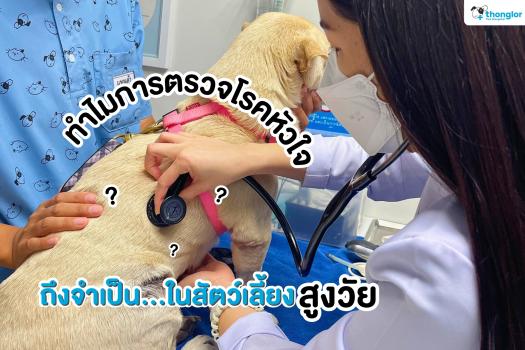
Did You Know? A Cat's "Heart" Is Only the Size of a "Walnut"
No matter how round and chubby your cat may be, their heart is still only about the size of a walnut. Cats are the world's best at hiding illness, and heart disease often lurks silently — especially internal conditions like Hypertrophic Cardiomyopathy (HCM), the most common heart disease in cats.
Why Is Heart Disease in Cats So Hard to Detect?
Cats have a natural instinct to hide weakness, so even once the heart starts malfunctioning, a cat may still appear cheerful, eat normally, and show no obvious signs of illness. By the time an owner notices something is wrong, the disease has often already progressed significantly.
Signs That May Indicate Heart Disease in Cats
Labored or unusually rapid breathing, open-mouth breathing, lethargy, reduced movement, loss of appetite, or sudden hind-leg weakness caused by a blood clot — a serious complication of feline heart disease.
How Is Heart Disease Screened in Cats?
Screening tests such as an NT-proBNP blood test or an Echocardiogram (heart ultrasound) can detect abnormalities even before symptoms appear — especially important for high-risk breeds like Maine Coon, Ragdoll, and Persian, who should be screened annually.
Don't let your cat's tiny heart carry a hidden burden unnoticed. Book a feline heart screening at Thonglor Pet Hospital. Call 02-079-9999.
Contact Thonglor Pet Hospital
Have questions about veterinary care for your pet in Thailand? Contact our team to ask about services, find a suitable branch or arrange an appointment.
If you need English-speaking assistance, please let us know when booking so we can confirm availability.
Book an appointment: Schedule your visit
Call us: +66 2 079 9999
LINE: @jaothonglor
Find a location: Explore our branches
For information about opening hours, treatment costs and preparing for your visit, see our Frequently Asked Questions.
Related in This Category

The Deadly Crunch Why Chicken Bones are a Life-Threatening Threat to Your Dog

Essential or Optional? Understanding Vaccines, Parasite Prevention, and Deworming for Dogs

When a Tiny Lump is No Small Matter

A Hidden Path to Bloodstream Infection