Red Paws & Chronic Ear Infections? Addressing Dog Allergies

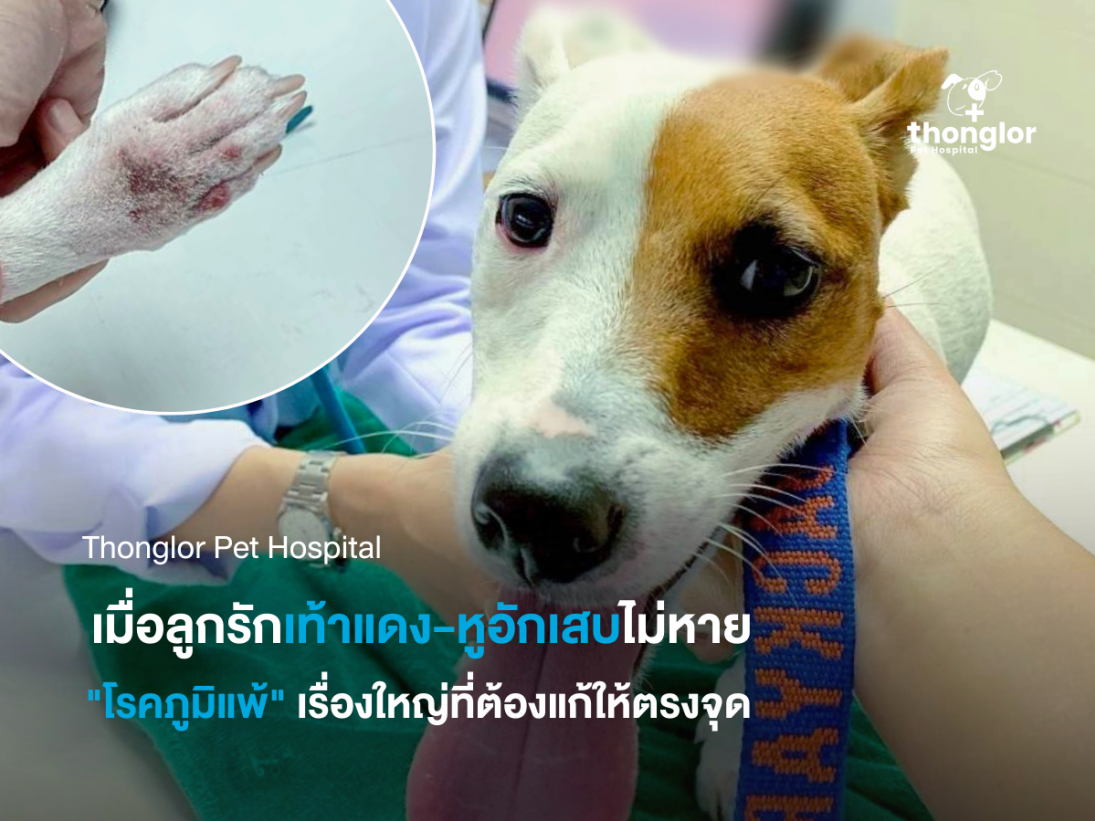
5 Warning Signs Your Dog May No Longer Be Able to See You
Vision is one of the most important senses for dogs, helping them live confidently, safely, and happily. But did you know that cataracts are a major cause of vision loss in dogs, especially in senior dogs or dogs with certain underlying conditions?
Cataracts can develop gradually without the owner noticing, until vision clearly worsens. That's why recognizing the early signs is so important.
Sign 1: Changes in the Appearance of the Eyes
Your dog's eyes begin to look cloudy -- white, gray, or bluish-gray -- instead of clear like before. This is a common early sign of cataracts.
Sign 2: Bumping Into Things Often, Especially at Night
If your dog starts bumping into tables, chairs, or objects around them more often, especially in low light, it may indicate declining vision.
Sign 3: Hesitating to Jump or Climb
Your dog may start hesitating to jump onto the sofa, climb stairs, or get into the car, because they're unsure about distance and image clarity.
Sign 4: Squinting or Blinking Frequently
Squinting, frequent blinking, or eye irritation can occur alongside eye abnormalities and shouldn't be overlooked.
Sign 5: Difficulty Seeing in Low Light
Your dog may seem confused, move more slowly, or hesitate to walk in the dark, which is another sign of declining vision.
Why Check for Cataracts Early?
If cataracts are detected early, the veterinarian can plan appropriate care, treatment, or ways to slow the deterioration of the eyes. In some cases, timely treatment can help your dog see better again and enjoy a better quality of life.
Don't let them slowly lose the ability to see you without you even realizing it.
Watching for these signs and bringing your dog in for regular eye checkups is a small act of care that means the world to them.
Contact Thonglor Pet Hospital
Have questions about veterinary care for your pet in Thailand? Contact our team to ask about services, find a suitable branch or arrange an appointment.
If you need English-speaking assistance, please let us know when booking so we can confirm availability.
Book an appointment: Schedule your visit
Call us: +66 2 079 9999
LINE: @jaothonglor
Find a location: Explore our branches
For information about opening hours, treatment costs and preparing for your visit, see our Frequently Asked Questions.
Related in This Category
The Deadly Crunch Why Chicken Bones are a Life-Threatening Threat to Your Dog
Essential or Optional? Understanding Vaccines, Parasite Prevention, and Deworming for Dogs

When a Tiny Lump is No Small Matter

A Hidden Path to Bloodstream Infection