Smelly, Itchy, and Red Skin: Don’t Ignore the Signs of Canine Dermatit


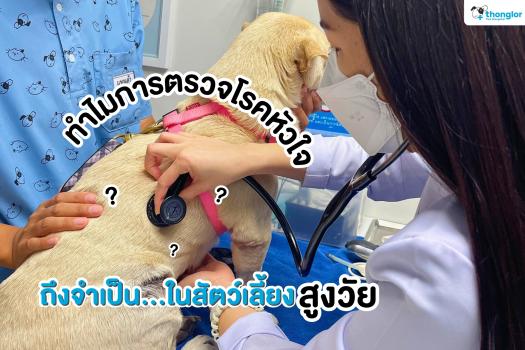
Growing Old, Still Has Heart: Tips for Keeping Senior Pets Healthy
As dogs and cats enter their senior years, their cardiovascular system naturally begins to decline, just like in humans. Taking careful care of their heart health early on helps senior pets enjoy a better quality of life and stay with us longer.
Watch for Warning Signs of Declining Heart Health
Senior pets with heart problems often tire more easily than before, become reluctant to go for walks or exercise like they used to, breathe heavily or cough frequently -- especially at night -- and may show intermittent lethargy. If you notice these signs, bring them to a veterinarian for an evaluation.
Get Regular Heart Health Checkups
Pets aged 7 and older should have annual heart health checkups, especially high-risk breeds. Checkups may include listening to the heart, chest X-rays, or cardiac ultrasound to thoroughly evaluate heart function.
Manage Diet and Exercise
A low-sodium diet with nutrients suited to senior pets helps reduce the workload on the heart. Combined with regular gentle exercise, such as short walks, this helps maintain a healthy body weight, which directly benefits heart function.
Improve Quality of Life for Senior Pets
Beyond medical care, creating a suitable environment -- such as a soft, comfortable bed, ramps instead of stairs, and reducing daily stress -- all help senior pets live happier lives.
If your pet is entering their senior years, schedule a heart health checkup at Thonglor Pet Hospital. Call 02-079-9999.
Contact Thonglor Pet Hospital
Have questions about veterinary care for your pet in Thailand? Contact our team to ask about services, find a suitable branch or arrange an appointment.
If you need English-speaking assistance, please let us know when booking so we can confirm availability.
Book an appointment: Schedule your visit
Call us: +66 2 079 9999
LINE: @jaothonglor
Find a location: Explore our branches
For information about opening hours, treatment costs and preparing for your visit, see our Frequently Asked Questions.
Related in This Category
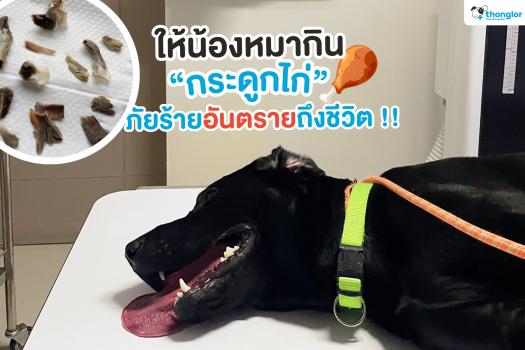
The Deadly Crunch Why Chicken Bones are a Life-Threatening Threat to Your Dog
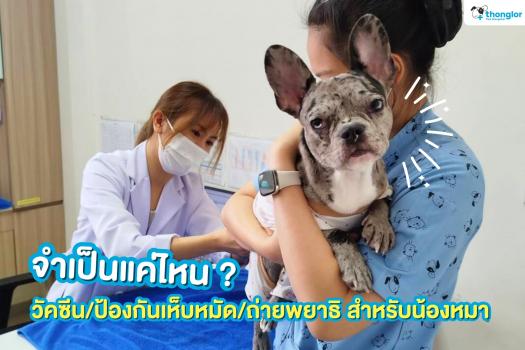
Essential or Optional? Understanding Vaccines, Parasite Prevention, and Deworming for Dogs

When a Tiny Lump is No Small Matter

A Hidden Path to Bloodstream Infection