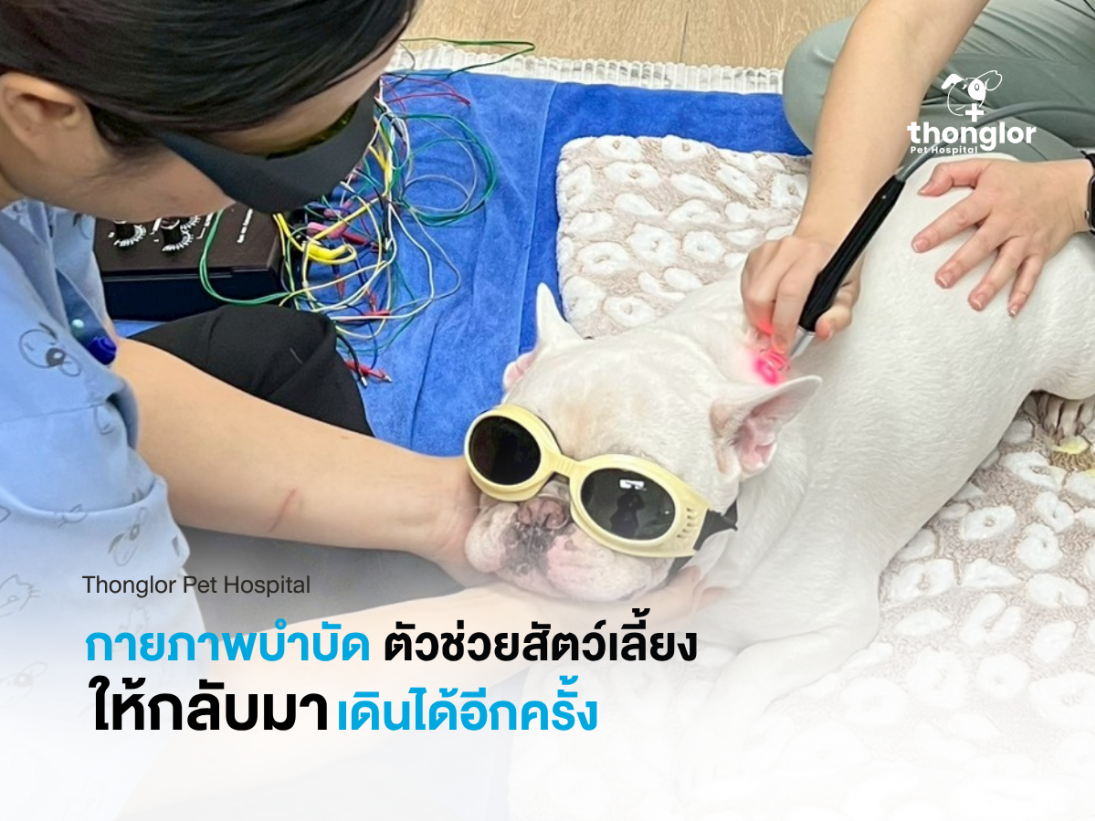
When a pet experiences limb weakness, the cause often lies deep within the "Nervous System and Spinal Cord." If your pet still shows "Deep Pain" perception, it is a crucial indicator that their nerves are not permanently damaged and recovery is possible.


Early intervention is vital to minimize nerve damage. Our specialized medical team employs a multimodal approach:
Medication: To reduce spinal inflammation and support nerve regeneration.
Physical Therapy: To stimulate muscles and prevent atrophy (muscle wasting).

Q1: What does "Deep Pain" mean in a clinical exam?
A: Deep pain is the ability of the pet to perceive a painful stimulus applied to a bone or joint. If a pet responds (by crying or looking at the limb), it means the spinal cord pathways to the brain are still intact, giving a much higher chance of walking again.
Q2: How does acupuncture benefit a paralyzed pet?
A: Acupuncture stimulates specific nerve points to reduce pain and trigger the release of natural healing chemicals. It bridges the gap in nerve communication, especially when combined with physical rehabilitation.
Q3: Can physical therapy help if my pet has already lost muscle mass?
A: Yes, but it requires more time. Physical therapy uses techniques like electrical stimulation (EMS) and therapeutic exercises to rebuild muscle strength and "remind" the brain how to coordinate movement.
Q4: Why is "Knuckling" (walking on the back of the paws) a red flag?
A: Knuckling indicates a loss of "Proprioception"—the pet’s awareness of where their feet are. This is often the first sign of spinal cord compression and requires immediate veterinary evaluation before it progresses to full paralysis.
Q5: Is non-surgical treatment effective for spinal issues?
A: For many mild to moderate cases, conservative management involving rest, medication, and rehabilitation is highly successful. Surgery is typically reserved for severe cases or when conservative measures do not show progress.
Early detection saves lives. Watch for these 3 signs:
Unsteady gait or loss of balance.
Weakness or "knuckling" of the paws.
Inability to stand or push up with hind legs.
Consult our specialists at: Neurology and Spine Center | Thonglor Pet Hospital
"For any inquiries regarding pet care, grooming, swimming sessions, or online shopping, feel free to reach out to us through the following channels:
#ThonglorPetHospital #TheBestAlways