PHOVIA: The Future of Rapid Wound & Skin Healing for Pets

Limping, Holding Up a Leg While Walking for a Bit, Then Suddenly
Walking Normally Again -- Is Your Dog Showing This On-and-Off Symptom?
If you notice this kind of symptom, you should suspect your dog may be dealing with "patellar luxation," which is very common in small dog breeds. First, let's understand what patellar luxation actually is.
What Is Patellar Luxation?
The patella is a small kneecap bone that helps the leg bend and extend smoothly. When patellar luxation occurs, the kneecap slips out of its normal position, making the knee joint unstable, causing pain, abnormal walking, and a higher risk of future joint degeneration.
Why Are Small Dog Breeds at Risk?
Patellar luxation is commonly found in small breeds such as Pomeranians, Chihuahuas, Poodles, Yorkshire Terriers, and Shih Tzus. The main cause is usually genetics and a congenitally malformed knee joint structure. In addition, frequently jumping up and down from high places, or being overweight, increases the risk of the condition worsening.
Symptoms Owners Can Observe
- Intermittent, on-and-off limping
- Holding up one leg while walking or running
- Walking with a skipping or stumbling motion
- Reduced interest in walking, running, or playing as usual
- In severe cases, obvious pain and refusal to bear weight on the leg
Severity Levels of the Condition
Patellar luxation can be divided into 4 grades, ranging from mild, with almost no visible symptoms, to severe, where the kneecap is dislocated constantly and the leg becomes deformed. Assessing the severity requires an examination by a veterinarian.
Treatment Approach
- Treatment includes medication, physical therapy, and surgery, depending on the severity of the patellar luxation.
- For dogs with mild luxation, medication combined with physical therapy can be used to strengthen the muscles.
- But for dogs with more severe luxation, surgery may be needed to correct it, along with physical therapy to help them recover faster and more sustainably.
Prevention and Care for Your Dog
- Keep their weight within a healthy range
- Reduce jumping up and down from high places
- Use ramps instead of stairs or letting them jump off the sofa
- Bring your dog in for regular knee joint checkups
- If you notice any abnormal symptoms, consult a veterinarian promptly
Patellar luxation might seem like a minor, intermittent symptom, but if left unaddressed for a long time, it can affect your dog's quality of life in the long run. Paying attention to early symptoms and providing proper care will help your small breed dog walk, run, and live a happy life for longer.
Contact Thonglor Pet Hospital
Have questions about veterinary care for your pet in Thailand? Contact our team to ask about services, find a suitable branch or arrange an appointment.
If you need English-speaking assistance, please let us know when booking so we can confirm availability.
Book an appointment: Schedule your visit
Call us: +66 2 079 9999
LINE: @jaothonglor
Find a location: Explore our branches
For information about opening hours, treatment costs and preparing for your visit, see our Frequently Asked Questions.
Related in This Category
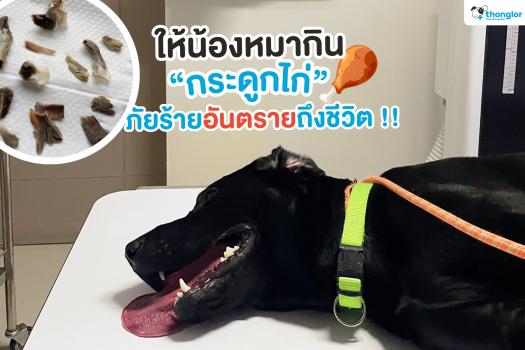
The Deadly Crunch Why Chicken Bones are a Life-Threatening Threat to Your Dog
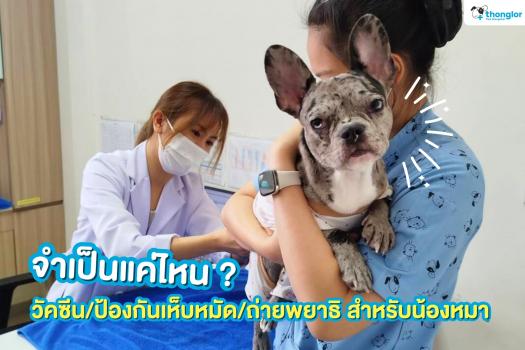
Essential or Optional? Understanding Vaccines, Parasite Prevention, and Deworming for Dogs

When a Tiny Lump is No Small Matter
A Hidden Path to Bloodstream Infection