Understanding Veterinary Oncology Tumors and Cancer in Dogs


Contact Thonglor Pet Hospital
Have questions about veterinary care for your pet in Thailand? Contact our team to ask about services, find a suitable branch or arrange an appointment.
If you need English-speaking assistance, please let us know when booking so we can confirm availability.
Book an appointment: Schedule your visit
Call us: +66 2 079 9999
LINE: @jaothonglor
Find a location: Explore our branches
For information about opening hours, treatment costs and preparing for your visit, see our Frequently Asked Questions.


Related in This Category
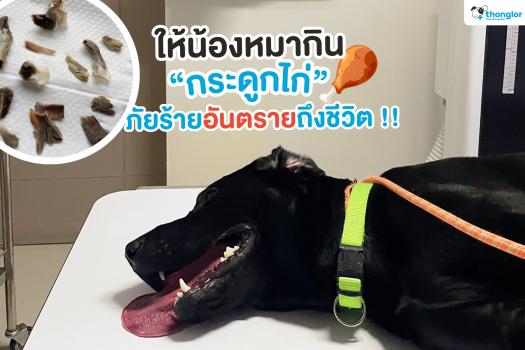
The Deadly Crunch Why Chicken Bones are a Life-Threatening Threat to Your Dog
23/08/2567
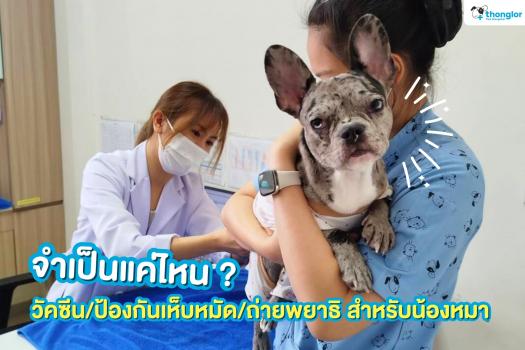
Essential or Optional? Understanding Vaccines, Parasite Prevention, and Deworming for Dogs
09/09/2567

When a Tiny Lump is No Small Matter
09/09/2567

A Hidden Path to Bloodstream Infection
12/09/2567
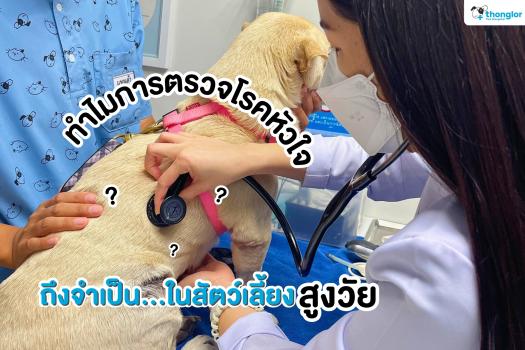
Why Cardiac Screenings are Vital for Senior Pets
24/09/2567