Signs of Urinary Tract Stones and Blockages in Cats

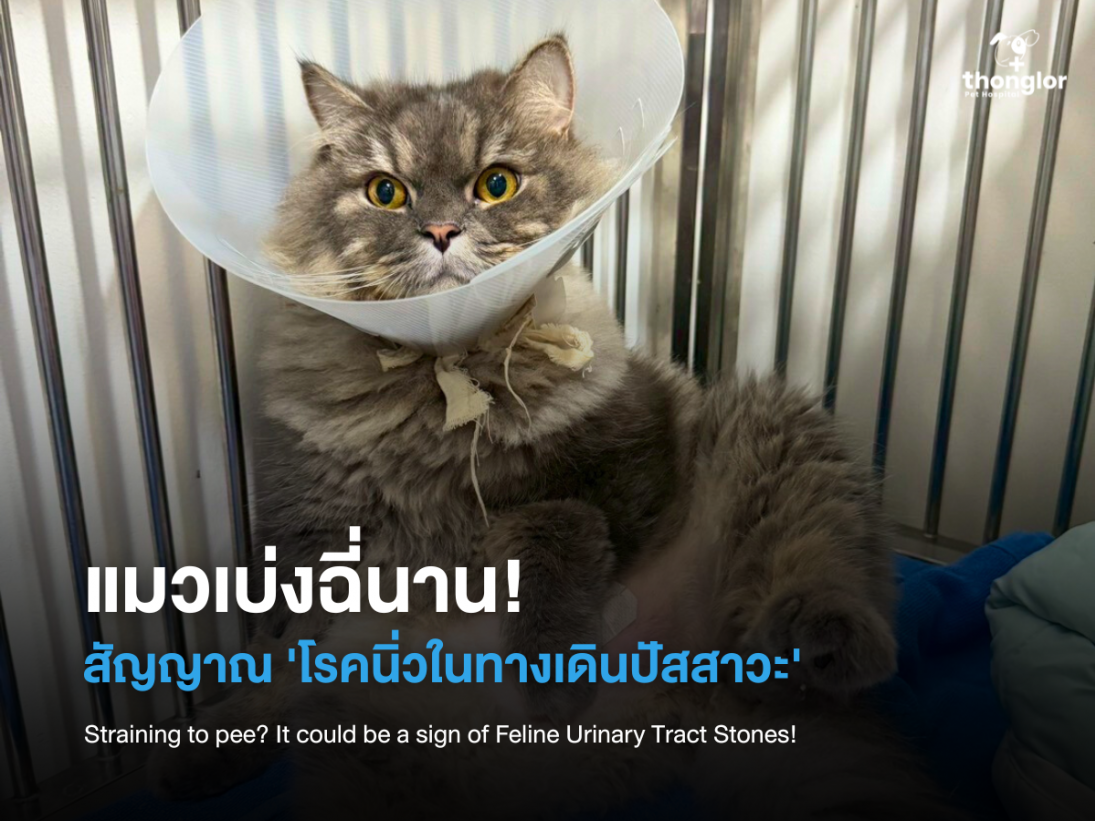
Straining to Urinate, Frequent Litter Box Visits But No Urine Coming Out -- Danger!
JJ was brought to the hospital straining to urinate for a long time, visiting the litter box unusually often, but passing very little or almost no urine at all. The owner noticed something was wrong and rushed him in for an examination right away.
The veterinary team performed an X-ray and found 4 small stones blocking the end of JJ's urethra, which was preventing urine from draining normally.
Why Is a Blocked Urethra a Medical Emergency?
If urine cannot drain properly, waste products and toxins build up in the body, causing kidney dysfunction. The bladder may rupture, and the condition can become life-threatening within just a few days if not treated immediately. This is especially true for male cats, whose urethra is narrower and longer, making them more prone to blockage than female cats.
Warning Signs Owners Should Watch For
Unusually frequent litter box visits, straining for a long time with little or no urine output, crying out in pain while urinating, frequently licking the genital area, lethargy, loss of appetite, or vomiting. If you notice any of these signs, bring your cat to an animal hospital right away -- don't wait to see if it improves.
Treatment Approach
The veterinary team will catheterize the urethra to relieve the blockage and remove the stones, along with IV fluids to help restore the body's balance. In some cases where the stones are large or blockages recur frequently, surgery may be needed to prevent recurrence.
If you notice your cat visiting the litter box unusually often or straining to urinate, don't wait -- bring them to Thonglor Pet Hospital right away. Call 02-079-9999, open 24 hours.
Contact Thonglor Pet Hospital
Have questions about veterinary care for your pet in Thailand? Contact our team to ask about services, find a suitable branch or arrange an appointment.
If you need English-speaking assistance, please let us know when booking so we can confirm availability.
Book an appointment: Schedule your visit
Call us: +66 2 079 9999
LINE: @jaothonglor
Find a location: Explore our branches
For information about opening hours, treatment costs and preparing for your visit, see our Frequently Asked Questions.
Related in This Category
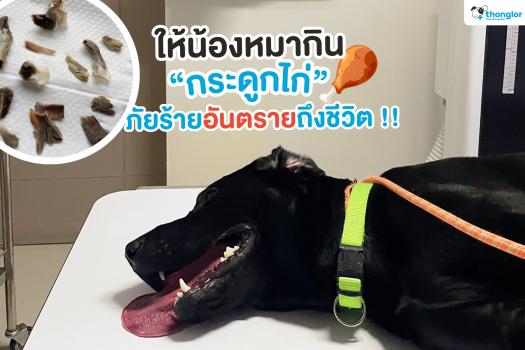
The Deadly Crunch Why Chicken Bones are a Life-Threatening Threat to Your Dog

Essential or Optional? Understanding Vaccines, Parasite Prevention, and Deworming for Dogs

When a Tiny Lump is No Small Matter

A Hidden Path to Bloodstream Infection