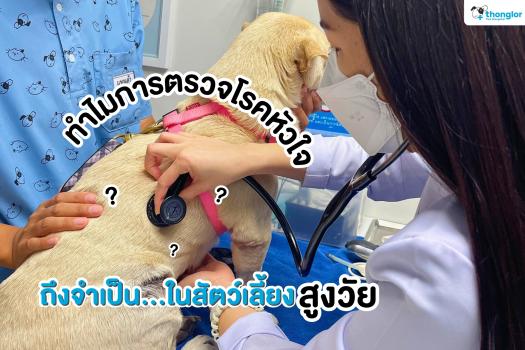
Understanding and Preventing Urinary Stones in Your Cat


How Dangerous Is Feline Urinary Stone Disease, and What Causes It?
Urinary stones form from mineral buildup, and can occur anywhere along the urinary tract. Stones can become hard masses that make it difficult for cats to urinate. Signs that may indicate a cat has urinary stones include prolonged urination, being unable to urinate at all, crying in pain while urinating, or sometimes blood in the urine. If left untreated, stones can lead to urinary tract infection, or even kidney failure.
Causes of "Urinary Stone Disease"
- Improper diet -- food high in minerals, or food with an imbalanced acid/alkaline level, can cause mineral buildup in the urine, forming stones.
- Insufficient water intake -- if a cat drinks too little water, their urine becomes highly concentrated, causing minerals to build up into stones.
- Underlying health conditions -- cats with existing conditions such as diabetes or kidney disease may be more prone to developing stones.
Urinary stone disease is extremely dangerous if left untreated. So we should look for ways to prevent the risk of your cat developing this condition, or if you notice your cat showing abnormal symptoms, bring them to see a veterinarian right away for the fastest possible treatment.
Contact Thonglor Pet Hospital
Have questions about veterinary care for your pet in Thailand? Contact our team to ask about services, find a suitable branch or arrange an appointment.
If you need English-speaking assistance, please let us know when booking so we can confirm availability.
Book an appointment: Schedule your visit
Call us: +66 2 079 9999
LINE: @jaothonglor
Find a location: Explore our branches
For information about opening hours, treatment costs and preparing for your visit, see our Frequently Asked Questions.
Related in This Category

The Deadly Crunch Why Chicken Bones are a Life-Threatening Threat to Your Dog

Essential or Optional? Understanding Vaccines, Parasite Prevention, and Deworming for Dogs

When a Tiny Lump is No Small Matter

A Hidden Path to Bloodstream Infection