Pet diary


Welcoming a litter of newborn kittens is much like caring for human infants—the first 4 to 6 weeks are a critical window that requires extraordinary attention for both the mother and her babies. During this period, kittens are highly vulnerable to a life-threatening condition known as Fading Kitten Syndrome (FKS).
Read more

If you’ve noticed early warning signs that your beloved pet might be at risk for diabetes, it’s natural to feel anxious. You might be hesitant, wondering: "Should I take them to the vet? Will the tests be painful? If they are diagnosed, how will I manage their care?" Today, we’re here to ease your mind and show you exactly how we screen for pet diabetes. These diagnostic methods are quick, effective, and designed to keep your furry friend comfortable while giving us the answers we need.
Read more

Diabetes mellitus in pets is a condition characterized by chronically high blood sugar levels. Currently, the approach to treatment in animals is remarkably similar to humans: a combination of dietary management, regular exercise, and insulin therapy.
Read more

Did you know that humans aren’t the only ones who suffer from allergies? Our pets can develop them too! However, instead of the typical sneezing and stuffy nose we experience, pet allergies usually manifest as skin irritation, rashes, and persistent itching. But what exactly do these allergies look like in our furry friends? Today, let’s take a closer look
Read more
Did you know that Alzheimer’s disease in cats is very similar to the condition in humans? As cats age—particularly those reaching 10 years and older—they become more susceptible to this cognitive decline. This condition, often referred to as Feline Cognitive Dysfunction, can lead to noticeable personality changes, forgetfulness, and a gradual decline in vision or hearing.
Read more
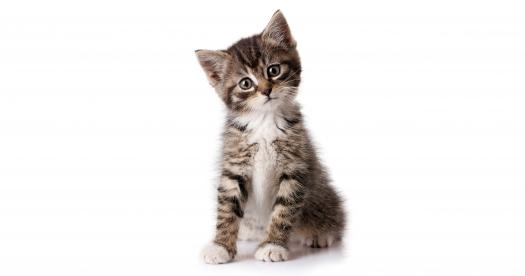
Have you ever seen a cat walking with a tilted head, looking like a tough ’gangster’ from the neighborhood? While it might look like a unique pose, it is actually a dangerous red flag. A persistent head tilt is a major signal that your cat may be suffering from a Neurological Disorder.
Read more