Is

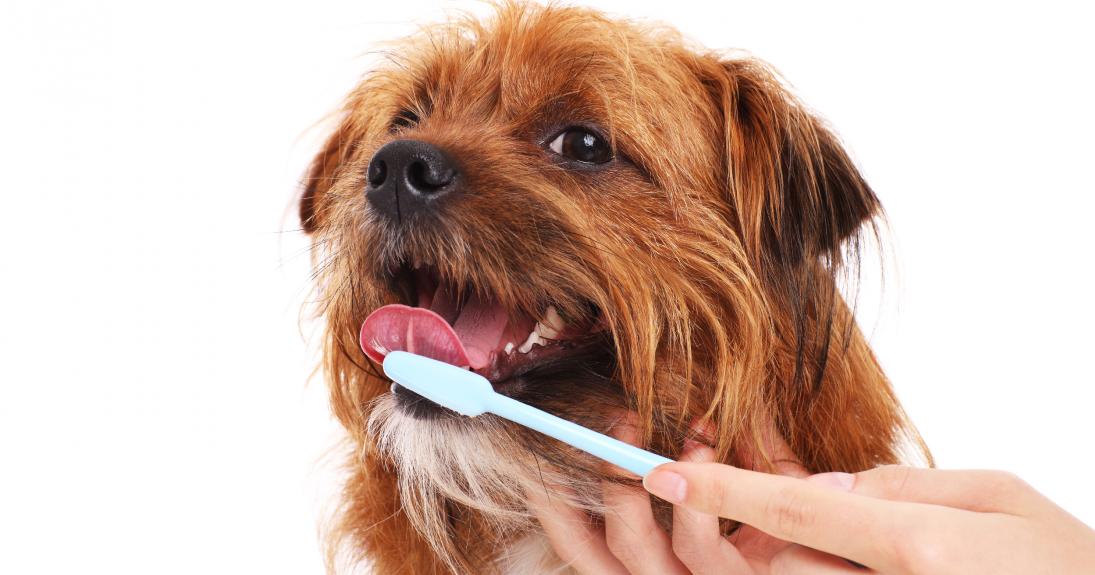
The Hidden Problem in Your Dog's Mouth
Did you know your beloved dog could be facing a serious health issue without you even realizing it? 80% of dogs age 3 and older commonly have dental and oral health problems, which, if left untreated, can seriously harm their overall health in ways you'd never expect.
Gum disease is found in as many as 64% of dogs, and up to 85% in dogs and cats over 3 years old. What might seem like just "a bit of bad breath" could actually be a sign of a much more serious problem than you'd think.
Why Does Your Dog or Cat's Mouth Smell Bad?
For owners whose four-legged companion has bad breath, you should suspect gum disease right away. Bad breath isn't normal -- it's an important warning sign indicating bacteria and infection in the mouth.
Causes of Bad Breath in Dogs and Cats
- Bacterial buildup -- in a mouth that hasn't received proper care
- Plaque -- accumulated food debris becomes a breeding ground for germs
- Tartar -- hardened plaque that develops on the teeth and under the gums
- Gingivitis -- infection that causes a foul odor
- Cavities or broken teeth -- causing infection to spread from the tooth to the root
"How serious could bad breath really be?"
Don't take it lightly! The effects of bad breath and gum disease are more serious than you might think:
Immediate Effects
- Eating less -- pain while chewing, leading to weight loss
- Avoiding play -- due to mouth pain
- Behavior changes -- irritability, refusing to be touched near the face
Long-Term Effects
- Spread of infection -- bacteria in the mouth entering the bloodstream
- Heart disease -- bacteria attaching to heart valves
- Kidney disease -- chronic infection damaging kidney function
- Liver disease -- affecting liver function
- Respiratory problems -- respiratory tract infections
Warning Signs to Watch For in Dogs and Cats
Early Stage Bad Breath in Dogs and Cats
- Bad breath that's stronger than usual
- Red or swollen gums instead of pink
- Yellow buildup on the teeth -- early tartar formation
- Excessive drooling
Severe Stage Bad Breath in Dogs and Cats
- Bleeding gums while eating or playing
- Slower eating, or chewing only on one side
- Facial swelling, or refusing to be touched
- Loose or missing teeth
- Swollen lymph nodes
How to Fix Bad Breath in Dogs and Cats
Early Stage: Mild Bad Breath and Slightly Red, Swollen Gums
Can be managed at home:
- Regular toothbrushing -- the best way to remove plaque
- Dental-specific food -- larger kibble with special fiber that scrapes the teeth as they chew
- Dental chews -- help reduce bacterial plaque
- Water additives -- reduce bacteria and bad breath
Middle Stage: Tartar Buildup and Strong Bad Breath
Requires a veterinary visit:
- Oral examination to assess the problem and provide proper care to prevent disease progression
- Dental scaling under anesthesia
- Cleaning below the gum line -- removing hidden bacteria
Severe Stage: Damaged Teeth With Pus
Requires urgent treatment:
- Extraction of damaged teeth
- Antibiotics to treat infection
When to See a Veterinarian Immediately
Emergency Cases
- Bleeding from the mouth that won't stop
- Severe facial swelling
- Complete refusal to eat
- Severe pain
- Bad breath that keeps getting worse
- Increasingly red, swollen gums
- Clearly visible tartar buildup
- Slower eating
Bad breath is not normal -- it's an important warning sign. Ignoring this problem can lead to serious diseases affecting the heart, kidneys, and liver.
Key Things to Remember:
- Start brushing teeth from a young age and keep it consistent
- Use only pet-specific toothpaste
- Choose food that helps care for the teeth
- Get regular oral health checkups
- See a veterinarian immediately if any abnormal symptoms appear
Good care today prevents big problems in the future. Start today for fresh breath and good health for your beloved four-legged friend!
Frequently Asked Questions (FAQ)
Q: How often should dogs and cats have their teeth brushed?
A: Dogs and cats should have their teeth brushed once a day, or at least 2-3 times a week. Regular brushing helps remove plaque and prevent bacterial buildup. If your pet isn't used to it, start gradually by using a wet cloth wrapped around your finger to gently scrub first, then gradually switch to a pet-specific toothbrush.
Q: Can I use human toothpaste?
A: Absolutely not! Human toothpaste contains fluoride and xylitol, which are toxic to dogs and cats. You must use only pet-specific toothpaste, or if unavailable, you can brush with plain water, though it will be less effective.
Q: If my dog or cat won't let me brush their teeth, are there other options?
A: There are other options, such as dental-specific food with special fiber that helps scrape the teeth, specially designed dental chews, water additives that help reduce bacteria, or dental toys. However, these methods will be less effective than brushing.
Q. How often does dental scaling need to be done?
A: Generally, this should be done once every 1-2 years, or twice a year, depending on each pet's oral condition. Dogs and cats with more severe problems may need tooth extraction as well. Dental scaling must be done under anesthesia, so you should consult a veterinarian to assess the risk and necessity.
Q. At what age should I start caring for my dog or cat's teeth?
A: You should start at 8-12 weeks of age, beginning by getting them used to having their mouth and gums touched, then gradually training them to accept toothbrushing. The earlier you start, the easier the training, and the better the prevention of problems. Don't wait until a problem develops before starting.
Dr. Tiwaporn Satiensagpong
Surgery and Anesthesia Center / Oral and Dental Clinic
Contact Thonglor Pet Hospital
Have questions about veterinary care for your pet in Thailand? Contact our team to ask about services, find a suitable branch or arrange an appointment.
If you need English-speaking assistance, please let us know when booking so we can confirm availability.
Book an appointment: Schedule your visit
Call us: +66 2 079 9999
LINE: @jaothonglor
Find a location: Explore our branches
For information about opening hours, treatment costs and preparing for your visit, see our Frequently Asked Questions.
Related in This Category

Did You Know Dogs Can Suffer from Acid Reflux?

My Cat is Lethargic and Refusing Food: What Should I Do? A Guide to Caring for a Sick Cat

Is eating too much wet food dangerous for cats? At what age can they start?

Top 10 Popular Cat Breeds in Thailand and Health Risks to Watch Out For