Wet Food Wonders: Is It Safe for Your Cat to Eat Every Day?

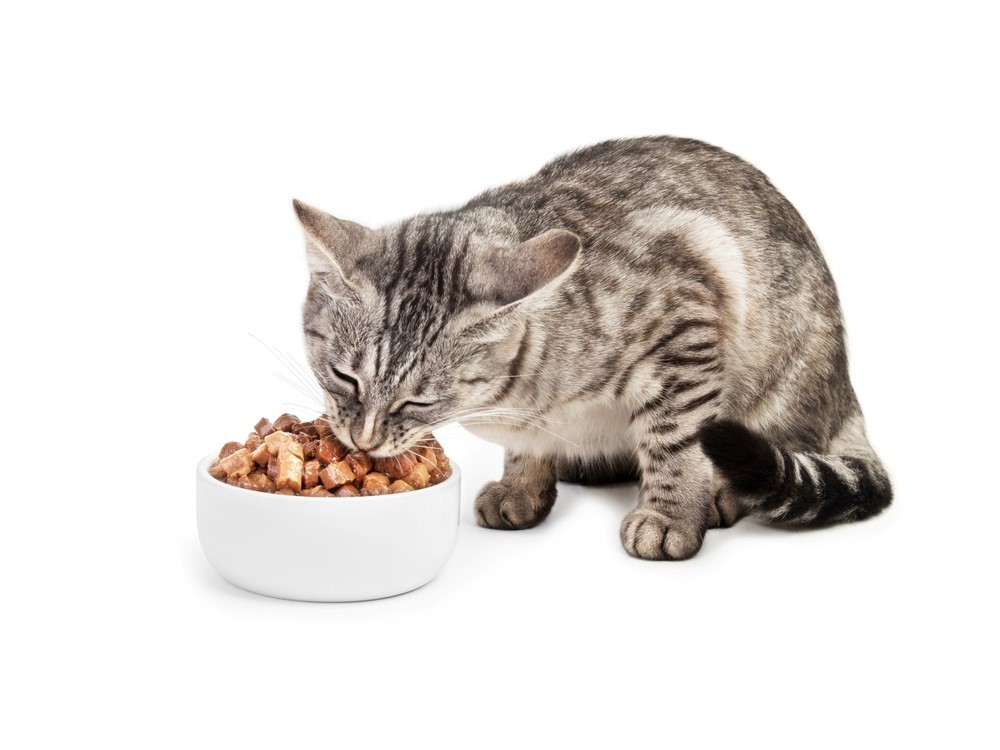
Wet food is one of the most popular food choices among cat owners, offering a flavor cats love along with an inviting aroma, a fresh taste, and beneficial ingredients -- including water content that helps keep the body hydrated. But even though wet food is good for health in many ways, cat owners still have questions about the appropriate amount, worried whether eating too much wet food could be dangerous, and when kittens can start eating wet food. To make sure your cat gets proper nutrition and stays healthy, let's find the answers.
What Is Wet Cat Food, and What Are Its Benefits?
Wet cat food is food with a much higher moisture content than usual (approximately 60-70%), which is close to the moisture level of a cat's natural prey. It usually comes in the form of finely ground or chunked meat, such as chicken, fish, or lamb, packaged in pouches or cans.
By nature, cats drink very little water, instead getting most of their water from the prey they eat. But once cats became domesticated, some cats still don't drink much water, which can lead to dehydration issues, especially in cats with kidney disease. So feeding your cat wet food is one way to help increase their water intake.
Key Benefits of Wet Food
- Helps increase water intake, ideal for cats that don't drink much water, reducing the chance of urinary tract problems
- Delicious taste and inviting aroma make cats more interested in eating, ideal for picky eaters
- High in protein, with nutrients fully supplemented into the mix
- Low in calories, helping with weight control
- Suitable for kittens, senior cats, sick cats, and cats with dental problems
Precautions When Feeding Wet Food
- Once opened, the pouch or can should be finished right away, since it doesn't keep well for long.
- More expensive than dry food.
- Can affect dental health long-term, potentially causing oral health problems, since it doesn't help scrape the teeth the way dry food does.
Types of Wet Food
Wet food on the market today can be divided into 3 main types:
1. Mousse
A wet food with a smooth, fine, creamy texture, easy to eat and easy to digest, ideal for kittens.
2. Gravy
A thick, soup-like consistency with a high water content, like a broth mixed with meat -- delicious and a cat favorite.
3. Jelly
A wet cat food made by turning meat and water into a jelly-like gel, with a smooth, slippery texture that adds textural variety.
Is It Dangerous for Cats to Eat a Lot of Wet Food?
The answer is no, it's not dangerous, as long as it's given in an appropriate amount with complete nutrition, to avoid health issues such as being overweight or underweight, or digestive problems. That said, commercially available wet cat food is usually already supplemented with appropriate nutrients. In general, adult cats should be given about 2 pouches of wet food per day, combined with dry food, to ensure your cat gets complete and varied nutrition.
When Can Kittens Start Eating Wet Food?
The appropriate time to start introducing wet food is around 4 weeks of age onward.
Appropriate Feeding Schedule for Kittens by Age
| Age Range | Recommendation |
|---|---|
| Newborn - 4 weeks | Mother's milk or kitten milk replacer only |
| 4-8 weeks | Begin introducing wet kitten food, gradually mixed with milk replacer, divided into about 4-5 small meals per day |
| 8 weeks - 10 months | Wet food or dry kitten formula, as appropriate |
How to Choose Wet Food for Your Cat -- What Should Cats Really Be Eating?
Choosing the right wet food formula is just as important as the amount you feed. With so many wet cat foods available on the market today, we recommend choosing based on the following factors:
- Choose food appropriate for your cat's life stage -- kittens need food high in protein, moderate in fat, and supplemented with calcium and phosphorus, while senior cats or cats with chronic conditions should get specialized formulas as recommended by a veterinarian.
- Choose food with high-quality protein from meat sources such as chicken, fish, or lamb, which provide complete amino acids, and avoid food with plant-based protein as the primary source.
- Check the protein and fat content to ensure adequate energy and nutrition.
- Choose food certified as nutritionally complete by international standards, such as AAFCO (Association of American Feed Control Officials), which will be labeled "Complete and Balanced" or "Meets the nutritional levels established by the AAFCO Cat Food Nutrient Profiles."
- Avoid food with grains or unnecessary additives -- choose food labeled Natural, Grain Free, with no by-products or chemical additives.
Good wet food helps keep your cat healthy and happier at mealtime, but it should be given in an appropriate amount, avoiding overfeeding.
Recommended Daily Amount of Wet Food for Cats
Every cat has a different weight and behavior, so amounts should be adjusted based on weight as follows:
- Cats weighing 2-3 kg: approximately 48-63 grams of wet food per day
- Cats weighing 5-6 kg: approximately 89-100 grams of wet food per day
- Cats weighing 7-8 kg: approximately 111-122 grams of wet food per day
Caring for your cat's health starts with quality cat food suited to their life stage, and don't forget to bring them in for an annual health checkup every year at Thonglor Pet Hospital, an animal hospital in Bangkok with multiple branches near you. We're ready to provide examination and care for your pet 24 hours a day. Contact us at 02-079-9999 or our Line Official account @jaothonglor
Reference
- AAFCO Nutrient Requirements for Cats. Retrieved July 23, 2025 from https://catfoodcentral.co/kb-article/aafco-nutritional-guidelines/
Contact Thonglor Pet Hospital
Have questions about veterinary care for your pet in Thailand? Contact our team to ask about services, find a suitable branch or arrange an appointment.
If you need English-speaking assistance, please let us know when booking so we can confirm availability.
Book an appointment: Schedule your visit
Call us: +66 2 079 9999
LINE: @jaothonglor
Find a location: Explore our branches
For information about opening hours, treatment costs and preparing for your visit, see our Frequently Asked Questions.
Related in This Category

Did You Know Dogs Can Suffer from Acid Reflux?

My Cat is Lethargic and Refusing Food: What Should I Do? A Guide to Caring for a Sick Cat

Bad Breath in Dogs and Cats: A Warning Sign You Should Never Ignore

Top 10 Popular Cat Breeds in Thailand and Health Risks to Watch Out For