Lethargic and Losing Appetite? Don’t Ignore These Cat Sickness Signs.

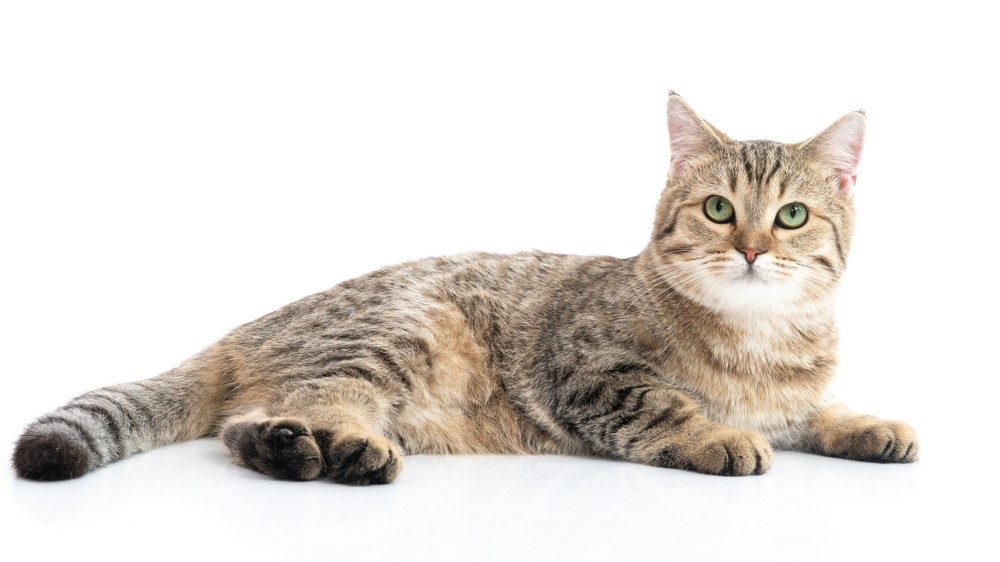
When your cat won't play, won't eat, or seems lethargic all day, these signs can be a warning of an underlying health problem that shouldn't be ignored. Regularly watching for abnormal behavior in your cat is essential to help you respond to their illness in time -- especially lethargy and loss of appetite, which can be warning signs of various diseases.
This article invites you to learn how to spot the signs of a sick cat, along with basic first-aid steps every owner should know.
Basic Signs of a Sick Cat Every Owner Should Know
- Lethargy, refusing to play: A once-active cat suddenly becomes one that just lies around, or sleeps all day.
- Not eating: If your cat refuses to eat or drink water for an extended period, this is a sign you should get them checked right away.
- Hair loss: Your cat is shedding an unusually large amount of fur, or has scaly patches on the skin.
- Labored breathing: Your cat is breathing heavily, or making abnormal breathing sounds.
- Hiding: A once-friendly cat now prefers to hide and rarely comes out to play.
- Vomiting or diarrhea: A sign of illness that needs prompt treatment.
What Causes a Cat to Be Lethargic, Not Eat, Just Sleep, and Have No Energy?
Lethargy in cats can stem from several causes, and may be the result of an infection or a serious illness. The main causes include:
Stress from Environmental Changes
Cats are sensitive to changes in their living environment, such as moving to a new home or adding a new member to the household (such as another dog or cat). These changes can make a cat feel stressed and lethargic, and reluctant to play.
Infections or Viruses
Various illnesses such as feline flu, ringworm, feline respiratory viral disease, or feline panleukopenia can make a cat feel unwell and show signs of lethargy.
Gastrointestinal or Digestive Problems
Cats with digestive issues, such as diarrhea or bloating, may feel unwell and lose their appetite.
Pain from Injury
Cats injured from an accident, or with bone and joint problems, may show signs of lethargy and be reluctant to move.
Heart Disease or Kidney Disease
Heart disease and kidney disease in cats often show no clear symptoms in the early stages, but can cause a cat to tire easily and become reluctant to move.
If your cat shows these signs over an extended period, you should bring them to see a veterinarian promptly for proper diagnosis and treatment.
Basic First-Aid Steps for a Cat That's Lethargic, Not Eating, and Sleeping All Day
Check Your Cat's Body Temperature
Use a thermometer to check your cat's body temperature. If they have a high fever (above 39.5°C), they may need veterinary care.
Encourage Eating and Drinking
Try offering your cat wet food, or encourage them to drink water, to prevent dehydration.
Clean Their Living Area
Keep the environment clean with good ventilation, and make your cat more comfortable by providing a soft, safe place to sleep.
Separate Your Cat from Other Pets
If you have multiple pets at home, separate the sick cat from the others to prevent further spread of infection.
See a Veterinarian if Symptoms Don't Improve
If your cat's condition doesn't improve after basic home care, bring them to see a veterinarian promptly for diagnosis and treatment.
When Should You Take Your Cat to the Vet Immediately?
- Lethargy doesn't improve within 1-2 days
- High fever, difficulty breathing, or pale skin
- Vomiting or diarrhea
- Unusual wounds
- Your cat shows signs of pain or is unable to move
Lethargy and loss of appetite in cats can be signs of an illness that needs prompt treatment, such as feline panleukopenia or gastrointestinal disease.
If you notice these signs in your cat, bring them to see a veterinarian promptly at Thonglor Pet Hospital, at the branch nearest you. We're ready to provide examination and care for your pet 24 hours a day.
For inquiries, contact us at 02-079-9999 or our Line Official account @jaothonglor
Reference
- General Cat Care. Retrieved July 23, 2025 from https://www.aspca.org/pet-care/cat-care/general-cat-care
Contact Thonglor Pet Hospital
Have questions about veterinary care for your pet in Thailand? Contact our team to ask about services, find a suitable branch or arrange an appointment.
If you need English-speaking assistance, please let us know when booking so we can confirm availability.
Book an appointment: Schedule your visit
Call us: +66 2 079 9999
LINE: @jaothonglor
Find a location: Explore our branches
For information about opening hours, treatment costs and preparing for your visit, see our Frequently Asked Questions.
Related in This Category

Did You Know Dogs Can Suffer from Acid Reflux?

Is eating too much wet food dangerous for cats? At what age can they start?

Bad Breath in Dogs and Cats: A Warning Sign You Should Never Ignore

Top 10 Popular Cat Breeds in Thailand and Health Risks to Watch Out For