Understanding Dilated Cardiomyopathy (DCM) in Dogs and Cats

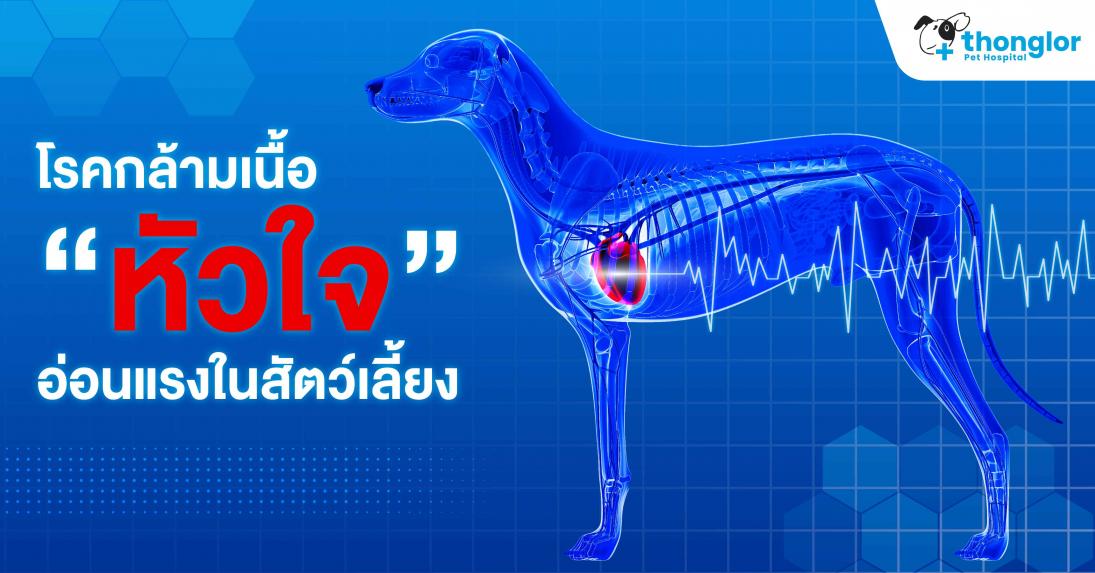
Dilated Cardiomyopathy Causes the Heart to Lose Its Ability to Contract Normally, Leading to Blood Pooling in the Heart Chambers, With Several Contributing Factors
Dilated cardiomyopathy causes the heart to lose its ability to contract normally, leading to blood pooling in the heart chambers, chamber enlargement, and reduced blood output to the rest of the body. Several factors contribute to this condition, such as nutritional deficiencies -- especially the amino acid taurine -- certain infections, exposure to toxins or medications that affect the heart muscle, and genetics, commonly found in large dog breeds such as Doberman Pinschers, Boxers, Great Danes, and Cocker Spaniels.
Since dilated cardiomyopathy causes the heart muscle wall to thin and the heart chambers to enlarge, the heart can't pump blood effectively, reducing the delivery of oxygen and nutrients to the body. Dogs typically show symptoms such as weakness, excessive sleeping, reduced activity, weight loss, or fainting when excited. When the heart can't pump blood out effectively, blood builds up in the heart, causing coughing and difficulty breathing from congestive heart failure with fluid in the lungs. In addition, ascites (fluid in the abdomen) can occur from blood that can't return to the heart properly. In cases where the heart muscle wall becomes very thin and dilated, this can cause arrhythmia and sudden cardiac death.
Diagnosis
- Can be diagnosed through a physical exam, which reveals abnormal heart sounds.
- Chest X-ray to assess heart size and evaluate for fluid in the lungs.
- An electrocardiogram (ECG) when arrhythmia is detected. For dogs not yet showing symptoms, the best diagnostic method is echocardiography, which can most accurately indicate the heart's contractile ability and chamber size.
Treatment for this condition depends on the disease stage determined through diagnosis. In the early stage, when reduced heart contraction is found but congestive heart failure with fluid in the lungs hasn't yet occurred, medications that help increase heart contraction can be given to slow the progression to heart failure. In cases where the dog has progressed to reduced heart contraction, enlarged heart chambers, and congestive heart failure with fluid in the lungs, close monitoring in an emergency setting is necessary -- the dog should receive appropriate oxygen therapy and diuretics. Once the emergency has passed, the dog will need ongoing lifelong medication to increase heart contraction, diuretics, and anti-arrhythmic medication.
Contact Thonglor Pet Hospital
Have questions about veterinary care for your pet in Thailand? Contact our team to ask about services, find a suitable branch or arrange an appointment.
If you need English-speaking assistance, please let us know when booking so we can confirm availability.
Book an appointment: Schedule your visit
Call us: +66 2 079 9999
LINE: @jaothonglor
Find a location: Explore our branches
For information about opening hours, treatment costs and preparing for your visit, see our Frequently Asked Questions.
Related in This Category

Did You Know Dogs Can Suffer from Acid Reflux?

My Cat is Lethargic and Refusing Food: What Should I Do? A Guide to Caring for a Sick Cat

Is eating too much wet food dangerous for cats? At what age can they start?

Bad Breath in Dogs and Cats: A Warning Sign You Should Never Ignore