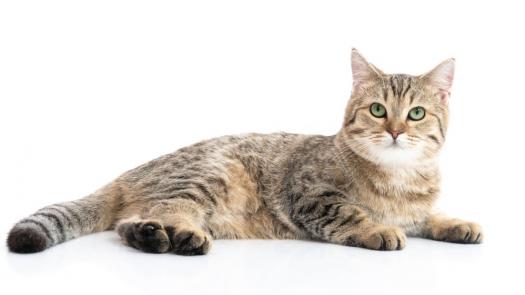
'Cat Fungus' is one of the most common contagious skin diseases in cats. The primary cause is fungal infections triggered by accumulated moisture on the body, particularly in long-haired breeds such as Persians or Scottish Folds. Fortunately, cat fungus is treatable and, more importantly, preventable.
In this article, Thonglor Pet Hospital invites all cat owners to gain a deeper understanding of this condition. We will explore what causes it, how to identify the symptoms, and how to protect your beloved feline from infection. Let’s dive in!

The vast majority of cat fungus cases—over 90%—are caused by the fungal species Microsporum canis. When a cat is infected, the affected skin typically appears dry, red, and scaly. You will often notice patchy hair loss (alopecia), and in some cases, crusting or scabbing may develop.
The primary concern with cat fungus is its highly contagious nature. If you have multiple pets, it can easily spread from cat to cat. Furthermore, this condition is zoonotic, meaning it can also be transmitted from cats to humans.
As these factors show, preventing cat fungus is manageable. By prioritizing hygiene, maintaining a clean environment, and ensuring your pet receives regular health check-ups, you can effectively safeguard your beloved companion from infection.

If you notice any warning signs and suspect your cat has a fungal infection, it is crucial to consult a specialist veterinarian immediately. To provide an accurate diagnosis, our veterinarians will perform the following clinical procedures
Once the specific fungal strain is identified, our veterinarians will initiate a comprehensive treatment plan tailored to your cat’s needs
To ensure the infection is completely eradicated, we will perform follow-up fungal cultures until two consecutive negative results are achieved, typically spaced 2–4 weeks apart. Owners will also notice the lesions gradually fading and fur beginning to regrow.

Once a cat has fully recovered from a fungal infection, their body typically develops immunity against that specific strain. This means that if they are re-exposed while this immunity is active, the impact will be less severe; they may recover faster or show no visible symptoms at all. However, it is vital to remember that such cats can still act as asymptomatic carriers, potentially spreading the fungus to other pets in the household.
Therefore, maintaining hygiene and monitoring yourself for signs of infection is essential for the health of both you and your cat. If an owner contracts fungus from a cat, the symptoms usually manifest as follows
If you suspect you have contracted fungus from your cat, you may consult a local pharmacist for topical antifungal creams. However, if the infection appears in multiple areas, it is highly recommended to visit a dermatologist for a professional evaluation and treatment plan. It is crucial to remember that fungal spores do not stay only on your cat's skin; they can spread throughout your home. These spores often settle in areas with poor ventilation or lack of sunlight. Therefore, a thorough deep cleaning of your entire living environment is essential once both you and your cat have fully recovered to ensure the infection is gone for good.
A: Most cases are caused by Microsporum canis, which thrives in humid or poorly ventilated areas. Cats with weak immunity, long hair, or existing skin wounds are at higher risk.
A: Look for circular hair loss, dry/red scaly skin, or scabbing. Cats may scratch frequently, especially around the face, ears, legs, or tail. Consult a vet immediately if these signs appear.
A: Fungus typically shows localized circular patches and scaling. Other allergies or skin diseases may present with irregular red bumps. A professional diagnosis is essential to identify the exact cause.
A: Treatment requires accurate diagnosis. Vets may prescribe topical creams, oral antifungal meds, and medicated shampoos. Follow your vet’s instructions strictly for the best results.
A: Treatment includes:
A: Recovery time depends on severity, but typically takes 4 to 8 weeks.
A: Shaving is optional and may help topical meds work better, but it is not always mandatory. It depends on your vet's assessment.
A: Yes. It is highly contagious. People with weakened immunity (children, elderly) are particularly at risk. Ensure pet isolation and wash your hands after every contact.
A: Yes, if the environment is not cleaned or if re-exposed. Even recovered cats with immunity can act as asymptomatic carriers. Prevention is just as vital as the cure.
"For any inquiries regarding pet care, grooming, swimming sessions, or online shopping, feel free to reach out to us through the following channels:
#ThonglorPetHospital #TheBestAlways