Pet diary


Find answers to common questions regarding earthquake management and emergency procedures within the veterinary hospital, including essential safety guidelines for protecting your pets during a disaster.
Read more

Myxomatous Mitral Valve Disease (MMVD) is the most prevalent heart condition found in dogs, particularly affecting small-to-medium breeds and senior dogs. This condition arises from the degeneration of the mitral valve, leading to Mitral Regurgitation (MR)—a state where blood flows backward into the left atrium. Over time, this progression can lead to Congestive Heart Failure (CHF), significantly impacting a dog’s overall quality of life and longevity.
Read more

Puppies and kittens undergo a stepwise development of their vision. They are born with their eyes closed, typically beginning to open them between 10 and 14 days of age. Their visual system continues to mature and becomes fully developed by 8 to 12 weeks. Owners are encouraged to monitor their pets’ ocular health closely during this critical period; early detection of any abnormalities is key to ensuring timely and effective treatment.
Read more

Excessive tearing, or Epiphora, in pets can result from ocular irritation or abnormalities within the tear duct system. If you notice that the fur around your pet’s eyes is constantly damp or has developed reddish-brown tear stains, it is highly recommended to consult a veterinarian. A professional diagnosis is essential to determine the underlying cause and ensure your pet receives the most appropriate treatment.
Read more
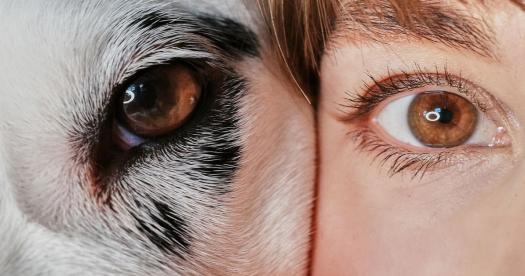
Dogs and cats perceive the world quite differently than humans do. Their color spectrum is limited to tones of blue, yellow, and gray, making them unable to clearly distinguish red and green hues. However, their vision in low-light conditions is several times superior to ours. To compensate for these visual limitations, they rely heavily on their other highly developed senses, such as smell and hearing.
Read more
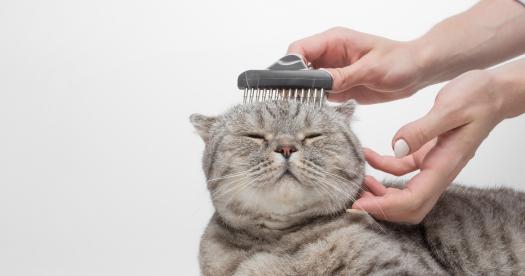
Has this ever happened to you? You look over and notice your kitty has those stubborn mats and tangled clumps of fur stuck to their coat—especially common in long-haired or thick-coated breeds. Don’t worry! I’ve got some simple tips and tricks to fix and prevent matted fur that you can easily try at home.
Read more