Understanding Excessive Tearing (Epiphora) in Dogs and Cats

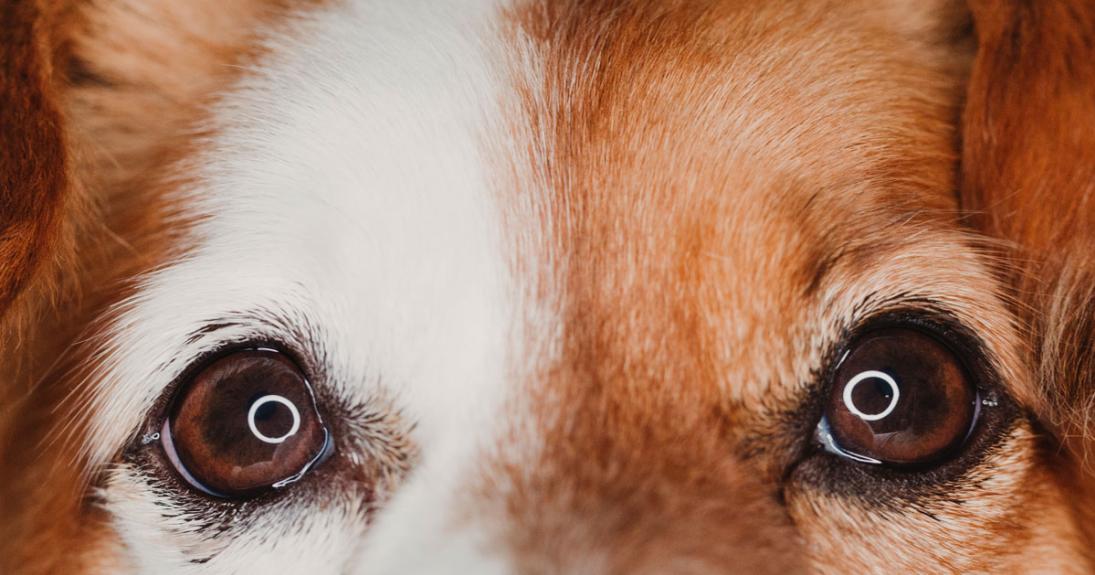
Tears serve to lubricate the eyes, and are made up of mucus, water, and oil. Excess tears are drained through the tear ducts located at the inner corner of the eye. The tear ducts have openings that lead to the nasal cavity and throat. Normally, tear production and tear drainage through the tear ducts should remain in balance, but if the amount flowing out becomes abnormally excessive, you should bring your pet to see a veterinarian to have their eyes checked.
Abnormal Symptoms to Look For
- Constantly wet tear tracks
- Fur around the tear tracks turning brown or reddish-brown, which is especially noticeable in light-colored dogs and cats
- A musty odor
- Skin inflammation and infection
- Squinting, red eyes, scratching or rubbing at the eyes
Excessive tearing is a symptom that indicates a problem with the eyes or tear ducts. Excessive tearing is a symptom, not a disease in itself, so there must be an underlying cause behind it. Excessive tearing can result from 2 main causes: irritation, and abnormal tear drainage.
1. Eye Irritation or Inflammation
If a foreign object gets into the eye, one of the body's protective mechanisms is to produce tears to help flush it out. Your pet may scratch or rub at their eyes, or rub their eyes against objects, bedding, sofas, or other surfaces, which indicates they're experiencing eye pain or irritation. You should bring your pet to see a veterinarian promptly, since this could lead to a corneal wound, and if it worsens, it could result in an eye infection leading to vision loss.
There are many causes of irritation, such as eye infections, foreign objects in the eye, dust in the eye, glaucoma, abnormally growing eyelashes, entropion (especially inward-rolling eyelids), flat-faced breeds where facial fur pokes into the eyes, or trauma to the eye. A thorough eye exam with specialized equipment helps identify the cause.
2. Abnormal Tear Drainage
If a thorough eye exam shows no pain or any cause of irritation leading to excessive tearing, the tear duct pathway should be examined to check for abnormal drainage.
The tear ducts are located at the inner corner of the eye, with openings at the top and bottom. The tear ducts open into the nose and throat, which is why we can taste tears when we sneeze or cry. Dogs and cats with flat faces have shallow eye sockets and large eye openings, and these breeds are often found to have excessive tearing that wets the tear tracks, because their facial and eye socket structure doesn't have enough space to hold the tears, making owners notice the excess tearing. This condition is caused by the pet's own facial structure and cannot be corrected.
Entropion (inward-rolling eyelid) blocks the flow of tears into the tear ducts, and the inward-curled eyelashes also cause irritation, which increases tearing further or can cause corneal ulcers. Treatment addresses the root cause through surgery to correct the entropion.
Diagnosis
History -- age, sex, breed, living conditions, diet, eye conditions, and other diseases -- helps identify the cause of excessive tearing. In flat-faced dog and cat breeds, eating food containing preservatives or artificial coloring can cause food allergies in some dogs and cats, leading to excessive tearing. In addition, other eye-related conditions, viral and bacterial infections, abnormally positioned eyelashes, and entropion (especially inward-rolling eyelids) can also cause excessive tearing. A thorough eye exam using specialized equipment is necessary to help identify the cause of excessive tearing, which includes:
- The Schirmer Tear Test (STT) -- measures the amount of tears produced in one minute. Normal tear production per minute is 15-25 mm. If it's more than 25 mm, this indicates tear production above normal.
- Fluorescein stain to check for corneal ulcers -- if the stain adheres to the cornea, this indicates a corneal ulcer. An ulcer is one cause of pain, which leads to increased tearing. In addition, fluorescein dye is used for the Jones test, where fluorescein dye is dropped into the eye and after waiting about 1-2 minutes, checking whether yellow dye appears from the nose, which can indicate whether the tear duct is blocked or has a problem.
- Measuring eye pressure with a tonometer, to diagnose inflammation in the anterior chamber or glaucoma.
- Using a slit lamp to examine various lesions within the eye.
- CT scan with dye injection to check for tear duct blockage. Besides the tear duct, this can also reveal abnormalities in surrounding areas, such as nasal cavity tumors or nasal inflammation.
Treatment
Treating the root cause is the best way to resolve excessive tearing. The treatment method depends on the underlying cause of the excessive tearing. Treatment methods include:
- Flushing (tear duct irrigation) can help diagnose tear duct blockage, by inserting a blunt or plastic needle and flushing saline solution into the tear duct. The saline should flow out of the nostril, and the pet will swallow it down their throat. Some pets may be born without tear ducts at all, and this method can help diagnose that. Prolonged irritation and infection can cause chronic tissue inflammation and narrowing of the tear ducts, which is a cause of excessive tearing.
- Eye drops -- anti-inflammatory medications are used to reduce inflammation and irritation, while antibiotics are used for pets with infections in the tear pathway and eyes.
- Surgery -- surgery to correct a blocked tear duct opening, to widen the tear duct, or in cases where a tumor is compressing the tear duct, surgical removal of the tumor can help resolve excessive tearing.
When you notice your pet has excessive tearing, it could be due to many different conditions and causes, each with a different treatment approach. So when you notice your pet has abnormally excessive tearing, you should bring them to see a veterinary ophthalmology specialist to identify the cause and proceed with treatment.
Contact Thonglor Pet Hospital
Have questions about veterinary care for your pet in Thailand? Contact our team to ask about services, find a suitable branch or arrange an appointment.
If you need English-speaking assistance, please let us know when booking so we can confirm availability.
Book an appointment: Schedule your visit
Call us: +66 2 079 9999
LINE: @jaothonglor
Find a location: Explore our branches
For information about opening hours, treatment costs and preparing for your visit, see our Frequently Asked Questions.
Related in This Category

Did You Know Dogs Can Suffer from Acid Reflux?
My Cat is Lethargic and Refusing Food: What Should I Do? A Guide to Caring for a Sick Cat
Is eating too much wet food dangerous for cats? At what age can they start?
Bad Breath in Dogs and Cats: A Warning Sign You Should Never Ignore