Understanding Vision and Color Perception in Dogs and Cats

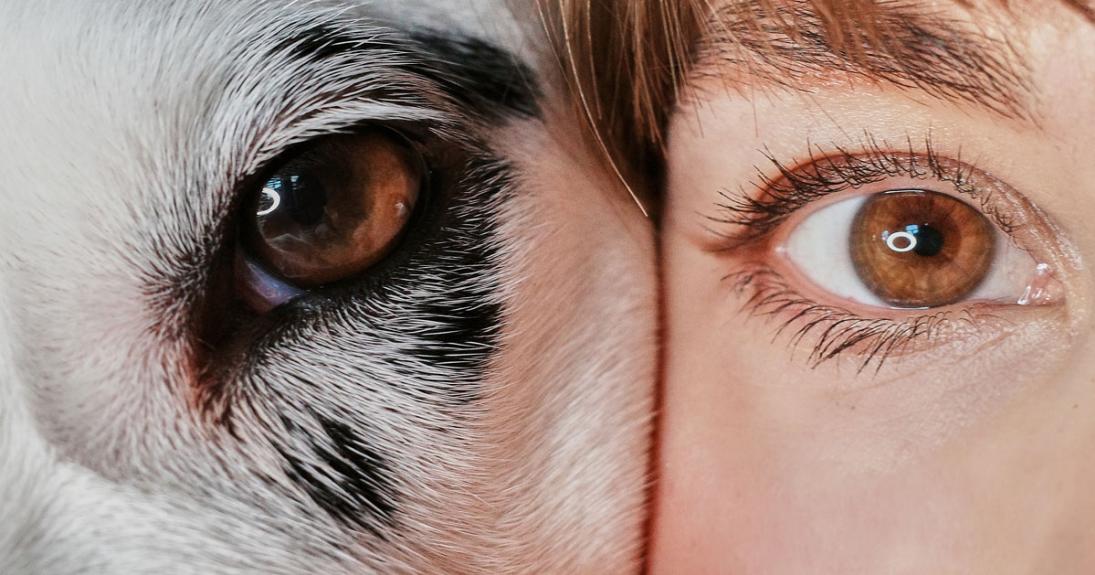
How Is a Dog's Vision and Color Perception Different From Ours?
We've probably all wondered at some point whether dogs see images and colors the same way we do, or whether they can only see in black and white, as we often hear that dogs are "color blind." We might also wonder if their vision has nearsightedness or farsightedness like ours, and whether they can see as clearly as humans in both bright and dark conditions. Today, let's find the answers to these questions together to clear up the confusion.
First, let's understand the structure of the eye. Both human and animal eyes have 2 types of cells in the retina:
- Cone cells, which are used to distinguish different colors of light in bright conditions
- Rod cells, which are used to detect light in dark conditions
Color Vision in Dogs
Dogs can only see shades of yellow, blue, and gray -- they cannot see green and red, similar to a colorblind person, since dogs have about 5-6 times fewer cone cells than humans. The images they see are also blurrier and less sharp than what we see, similar to someone who is nearsighted. This is why your dog might not recognize you from far away.
However, certain breeds, such as Labrador Retrievers and German Shepherds, have vision closer to that of humans, which is why they're often used as guide dogs and for detecting abnormalities.
Dogs' Night Vision
Dogs see better than humans in the dark or in dim light, since rod cells -- light-sensitive photoreceptor cells -- help with night vision better than in humans. In addition, dogs have a special eye structure called the tapetum lucidum, which helps reduce light scattering in the dark, making their night vision many times clearer than ours.
Owners may have noticed this structure as a green reflective glow from their dog's eyes at night. Because a dog's eyes are so sensitive to light, we should be careful when using camera flash, since it can affect the retina and, in severe cases, even cause vision loss.
Dogs' Adaptation and Other Senses
Even though a dog's eyes don't see images the way we do -- whether in sharpness or color -- dogs compensate by relying on other senses, such as hearing and smell, in their daily lives. Dogs remember their owner's voice and scent more than their face. Understanding how dogs see the world helps us understand them better and communicate with them in the right way.
Contact Thonglor Pet Hospital
Have questions about veterinary care for your pet in Thailand? Contact our team to ask about services, find a suitable branch or arrange an appointment.
If you need English-speaking assistance, please let us know when booking so we can confirm availability.
Book an appointment: Schedule your visit
Call us: +66 2 079 9999
LINE: @jaothonglor
Find a location: Explore our branches
For information about opening hours, treatment costs and preparing for your visit, see our Frequently Asked Questions.
Related in This Category

Did You Know Dogs Can Suffer from Acid Reflux?

My Cat is Lethargic and Refusing Food: What Should I Do? A Guide to Caring for a Sick Cat

Is eating too much wet food dangerous for cats? At what age can they start?

Bad Breath in Dogs and Cats: A Warning Sign You Should Never Ignore