Classifying Heart Disease in Dogs and Cats: What Owners Must Know

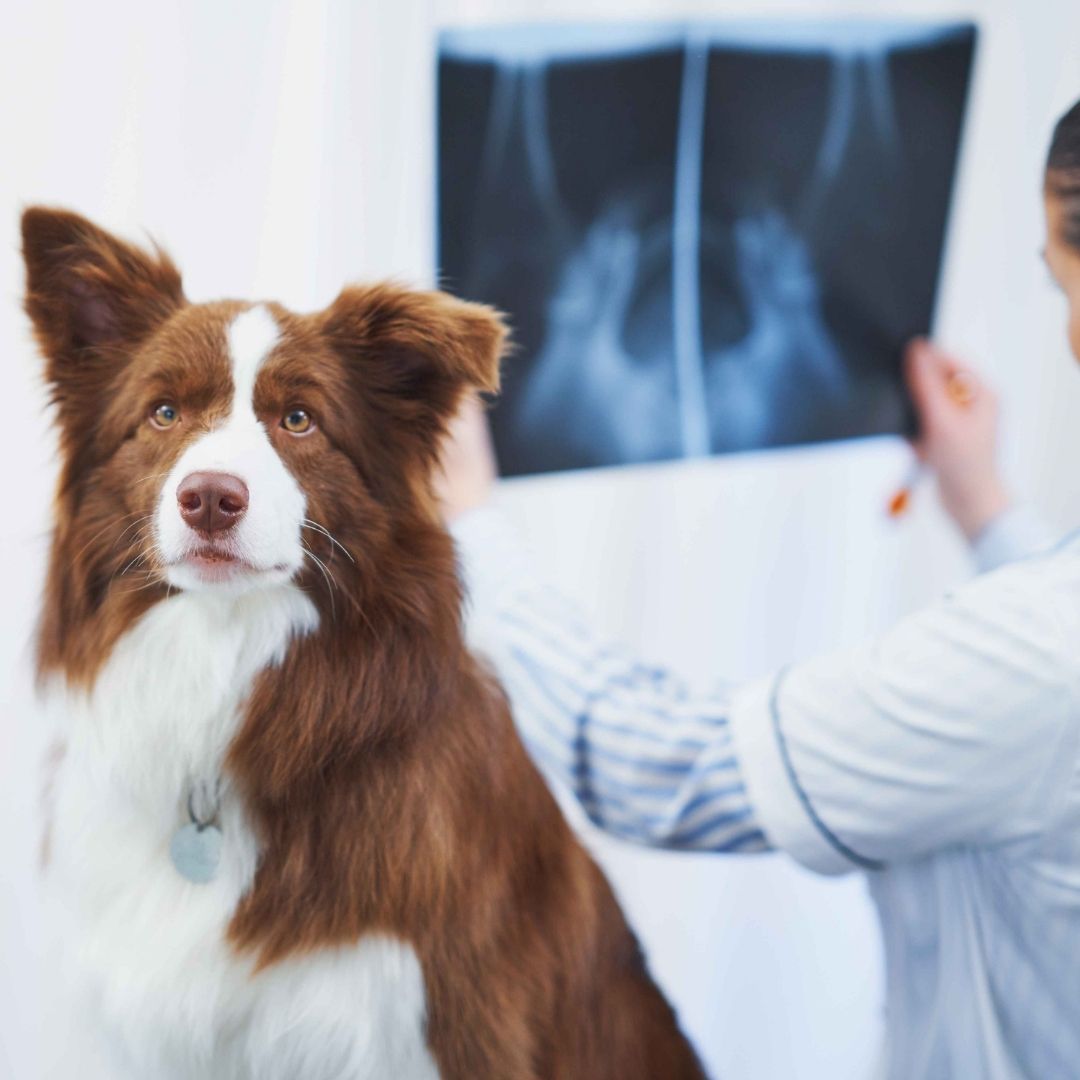
The Silent Threat: Recognizing Heart Disease in Dogs and Cats
Heart disease is categorized into two main types: Congenital (present from birth) and Acquired (developing later in life). Acquired heart disease is frequently seen in senior pets or those with obesity. Over time, these conditions often progress into Valvular Heart Disease or Myocardial (Heart Muscle) Disease. Because symptoms are not always immediate, vigilant observation of warning signs is vital.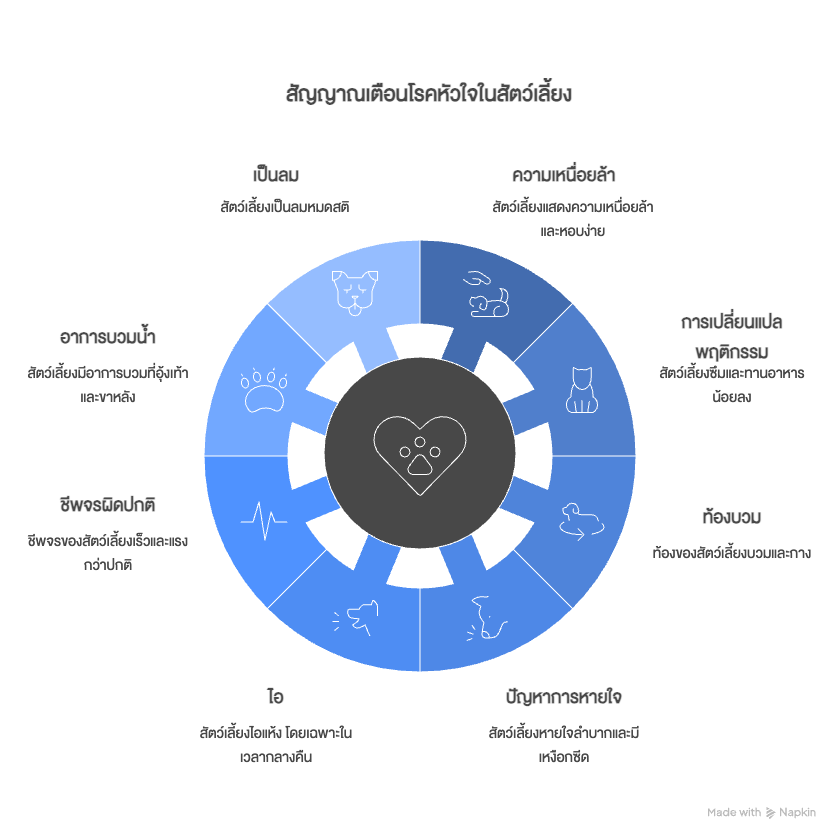
8 Warning Signs of Pet Heart Disease
- Easily fatigued or excessive panting.
- Lethargy and decreased appetite.
- Abdominal swelling (Ascites).
- Difficulty breathing and pale gums.
- Persistent dry cough, especially at night.
- Rapid or abnormally strong pulse.
- Edema (swelling) in the paws and hind legs.
- Fainting or sudden loss of consciousness.
Understanding Early Symptoms
Heart disease can affect any breed at any age. Early signs like rapid breathing or chronic coughing are often mistaken for normal aging. However, statistics show that in cats over 6 years old, the prevalence of heart disease is as high as 14.7%. Shockingly, 80% of affected cats only show symptoms when the condition has reached a critical stage. High-risk breeds—such as Maine Coons, Ragdolls, Sphynxes, and British Shorthairs—have a 1 in 4 chance of developing heart issues, even at a young age.
Why Annual Health Check-ups are Essential
- Early Detection: Routine exams help identify initial markers of heart disease before they escalate.
- Slowing Progression: Catching the disease early allows for medical intervention that can slow the progression and significantly reduce the risk of sudden death.
Contact Thonglor Pet Hospital
Have questions about veterinary care for your pet in Thailand? Contact our team to ask about services, find a suitable branch or arrange an appointment.
If you need English-speaking assistance, please let us know when booking so we can confirm availability.
Book an appointment: Schedule your visit
Call us: +66 2 079 9999
LINE: @jaothonglor
Find a location: Explore our branches
For information about opening hours, treatment costs and preparing for your visit, see our Frequently Asked Questions.


Related in This Category

Did You Know Dogs Can Suffer from Acid Reflux?
My Cat is Lethargic and Refusing Food: What Should I Do? A Guide to Caring for a Sick Cat
Is eating too much wet food dangerous for cats? At what age can they start?

Bad Breath in Dogs and Cats: A Warning Sign You Should Never Ignore