Pet Neurology Specialist Clinic in Bangkok — Conditions, Diagnosis &

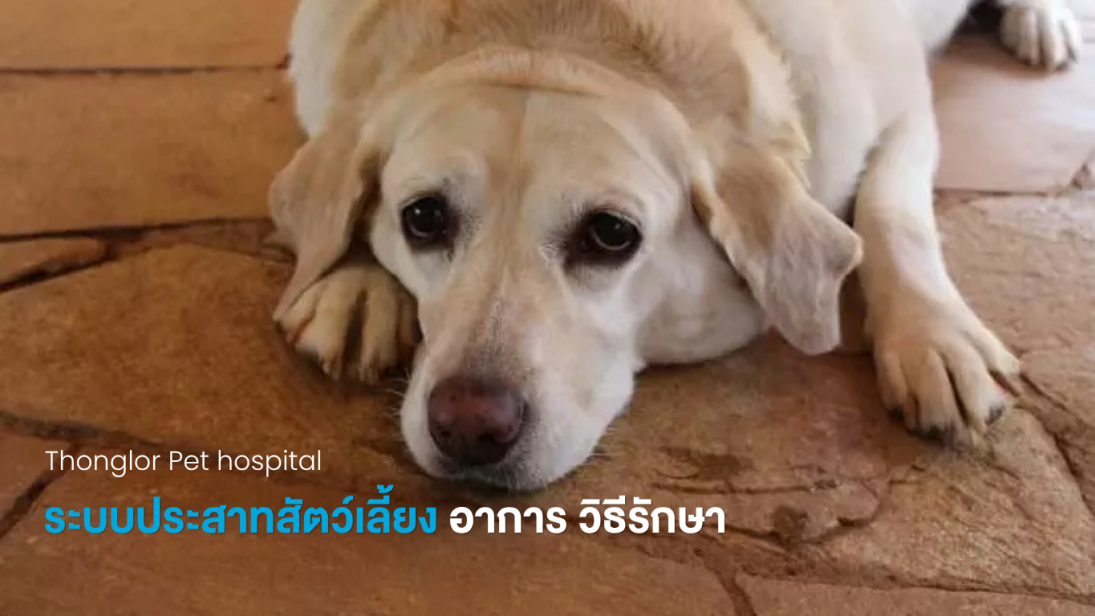
Pet Neurology Specialist Clinic in Bangkok — Conditions, Diagnosis & Treatment
Neurological conditions in pets are among the most complex to diagnose and treat — requiring specialist expertise, advanced imaging, and often urgent intervention. Symptoms like seizures, sudden limb weakness, loss of balance, or unexplained paralysis can signal serious underlying disease. The Neurological and Spine Center at Thonglor Pet Hospital is staffed by veterinary neurology specialists with access to MRI 1.5T and CT Scan 128-slice imaging, available 24 hours a day, 7 days a week.
----------------------------------------------------------------
Warning Signs That Require a Neurology Specialist
----------------------------------------------------------------
Urgent — go immediately (do not wait):
- Seizures lasting more than 5 minutes, or multiple seizures within 24 hours
- Sudden hindlimb paralysis — unable to stand
- Severe head tilt appearing suddenly
- Severe loss of balance, repeated falling
- Extreme lethargy or unresponsiveness
Schedule an appointment:
- Wobbly gait, stumbling, poor coordination
- Gradual hindlimb weakness, knuckling or dragging a paw
- Back pain, crying when lifted, difficulty climbing stairs
- Occasional seizures that resolve on their own
- Circling or walking in circles
- Rapid eye movements (Nystagmus)
----------------------------------------------------------------
Common Neurological Conditions in Pets
----------------------------------------------------------------
IVDD — Intervertebral Disc Disease (Slipped Disc)
Most affected breeds: Dachshund, Beagle, Shih Tzu, French Bulldog (chondrodystrophic breeds)
Symptoms: Neck or back pain, hunched posture, limb weakness, paralysis
Treatment: Medication + rest (mild cases) / Surgical decompression (severe cases) / Physiotherapy post-surgery
Diagnostic tool: MRI is the gold standard — it visualizes soft tissue, spinal cord, and disc material in detail
Epilepsy (Seizure Disorder)
Symptoms: Convulsions, excessive salivation, paddling movements, temporary disorientation after a seizure
Treatment: Long-term anticonvulsant medication (Phenobarbital, Potassium Bromide, Levetiracetam)
Diagnosis: Brain MRI + blood panel + CSF (cerebrospinal fluid) analysis to rule out underlying causes
Ataxia / Vestibular Disease (Loss of Balance)
Symptoms: Wobbly walk, head tilt, Nystagmus (rapid eye movement), circling
Causes: Inner ear infection, cerebellar disease, spinal cord disorder
Treatment: Depends on root cause — idiopathic vestibular disease often resolves on its own within weeks
Patellar Luxation (Kneecap Dislocation)
Most affected breeds: Pomeranian, Chihuahua, Toy Poodle, Yorkshire Terrier
Symptoms: Intermittent skipping or holding up a leg, limping, persistent kneecap displacement
Treatment: Medication + physiotherapy (Grade 1–2) / Surgery (Grade 3–4)
Hip Dysplasia
Most affected breeds: German Shepherd, Labrador, Golden Retriever, Rottweiler
Symptoms: Limping, hip pain, reluctance to exercise, thigh muscle wasting
Diagnosis: Hip X-ray screening — 1,490 THB for new patients at Thonglor Pet Hospital
----------------------------------------------------------------
Diagnostic Equipment at Thonglor Pet Hospital
----------------------------------------------------------------
| Equipment | Used For | Price |
| MRI 1.5 Tesla | Brain, spinal cord, soft tissue | 1 region: 19,900 THB / 2 regions: 24,900 THB |
| CT Scan 128-slice | Bone, skull, fast assessment | 1 region: 9,900 THB / 2 regions: 11,900 THB |
| Abdominal Ultrasound | Internal organs, supporting exam | 3,390 THB |
| CBC + Blood Chemistry | Screen for metabolic causes | Enquire |
Why MRI matters for neurology: CT Scan excels at bone detail but shows soft tissue poorly. MRI provides far superior visualization of the brain, spinal cord, nerves, and intervertebral discs — critical for accurate neurological diagnosis. Available 24/7 at Thonglor Pet Hospital.
----------------------------------------------------------------
The Treatment Process at Thonglor Pet Hospital
----------------------------------------------------------------
1. Initial consultation with a veterinary neurology specialist — comprehensive neurological examination
2. Diagnostic imaging (MRI / CT Scan) as clinically indicated
3. Treatment planning: medication / surgery / physiotherapy or a combination
4. Ongoing follow-up and monitoring
Positive Pressure Operating Rooms: Specially designed to prevent external contamination — the standard for neurological surgery.
----------------------------------------------------------------
Physiotherapy After Neurological Treatment
----------------------------------------------------------------
Pets recovering from spinal surgery or neurological weakness often require rehabilitation alongside medical treatment:
Physiotherapy & Rehabilitation Center services:
- Laser therapy — reduces pain and inflammation
- Underwater treadmill (Hydrotherapy) — builds muscle without joint stress
- Therapeutic exercise programs for strength rebuilding
Physiotherapy package: 5 sessions for 7,500 THB
Rehabilitation Center: https://thonglorpet.com/en/center/physiotherapy-and-rehabilitation-center
----------------------------------------------------------------
Frequently Asked Questions
----------------------------------------------------------------
Q: What should I do if my pet has a seizure at home?
A: Time the seizure. Do not put your hand in the mouth. Protect your pet from falling or hitting furniture. If the seizure lasts more than 5 minutes or seizures repeat in quick succession, bring your pet to emergency care immediately. Call 02-079-9999 — open 24 hours.
Q: Does a slipped disc in dogs always require surgery?
A: Not always. Mild cases may respond to cage rest and medication. Severe cases involving paralysis require urgent surgery. The sooner surgery is performed for critical cases, the better the chances of recovery.
Q: How much does pet MRI cost?
A: At Thonglor Pet Hospital: MRI for 1 region costs 19,900 THB, 2 regions costs 24,900 THB — all inclusive of anesthesia. Available 24 hours.
Q: Do dogs with epilepsy need lifelong medication?
A: Generally yes. Idiopathic epilepsy typically requires lifelong anticonvulsant therapy. Regular blood monitoring is needed to check drug levels and watch for side effects.
Q: Can a dog with hind leg weakness recover?
A: It depends on the cause and severity. Mild IVDD often responds well to treatment and physiotherapy. Severe or complete paralysis outcomes depend on how quickly treatment is initiated.
Q: Where can I find a veterinary neurology specialist in Bangkok?
A: The Neurological and Spine Center at Thonglor Pet Hospital has specialist vets at multiple Bangkok locations, open 24 hours. Call 02-079-9999 or book online at thonglorpet.com/en.
Q: What breeds are most at risk for neurological conditions?
A: Long-bodied short-legged breeds (Dachshund, Shih Tzu, Beagle) are at high risk for IVDD. Epilepsy is more common in Labrador, Golden Retriever, and Beagle. Any breed can develop neurological conditions.
Contact Thonglor Pet Hospital
Have questions about veterinary care for your pet in Thailand? Contact our team to ask about services, find a suitable branch or arrange an appointment.
If you need English-speaking assistance, please let us know when booking so we can confirm availability.
Book an appointment: Schedule your visit
Call us: +66 2 079 9999
LINE: @jaothonglor
Find a location: Explore our branches
For information about opening hours, treatment costs and preparing for your visit, see our Frequently Asked Questions.
Related in This Category

Did You Know Dogs Can Suffer from Acid Reflux?
My Cat is Lethargic and Refusing Food: What Should I Do? A Guide to Caring for a Sick Cat

Is eating too much wet food dangerous for cats? At what age can they start?
Bad Breath in Dogs and Cats: A Warning Sign You Should Never Ignore