Pyoderma in Dogs: Symptoms, Causes & Treatment

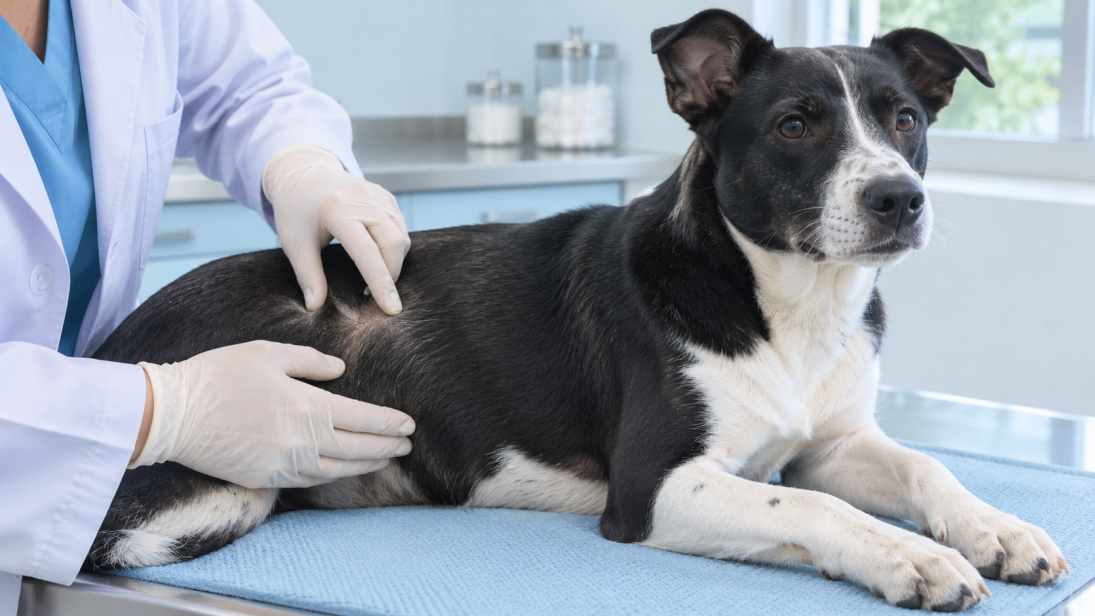
Pyoderma (bacterial skin disease) is one of the most frequent reasons dogs are brought in for veterinary care. It can affect the superficial skin, hair follicles, or deeper tissues, and is often a warning sign of an underlying disease that must be identified and addressed.
What Is Pyoderma?
Pyoderma is a bacterial skin infection classified by depth:
- Surface pyoderma — affects the most superficial skin layer, such as skin folds; commonly presents as a "hot spot"
- Superficial pyoderma — infects hair follicles and the epidermis; the most common form, presenting with small pustules and circular red rings (epidermal collarettes)
- Deep pyoderma — penetrates to the dermis; severe, painful, and may involve pus discharge
Signs to Watch For
- Small red papules or pustules on the skin
- Scaling, skin flaking, or epidermal collarettes
- Localised patches of hair loss
- Itching, odour, and pain in deeper infections
- Discharge or pus in severe cases
Common Causes: Pyoderma is usually a secondary infection triggered by an underlying condition such as allergies (environmental or food allergy), demodicosis, endocrine disorders (such as hypothyroidism), or skin fold friction (in breeds with facial folds such as Chow Chows, Bulldogs).
Diagnosis: Your vet will use cytology to confirm the infection and identify the pathogen. Severe cases may require bacterial culture and sensitivity testing to select the most effective antibiotic.
Treatment
Topical treatment: The preferred first-line option for superficial infections — medicated shampoo, spray, or lotion prescribed by your vet; must be in contact with the skin for the specified time before rinsing.
Oral antibiotics: Used for deep infections, widespread involvement, or when topical treatment alone is insufficient. The full course must be completed — stopping early because symptoms have improved may lead to antibiotic resistance.
Addressing the underlying cause — this is the most important step. Without resolving the root cause, infections will recur. Your vet will recommend further investigations to identify the true underlying disease.
Home Care: Use all prescribed products strictly as directed, including contact time and frequency; use an Elizabethan collar (e-collar) to prevent licking of affected areas; 🚫 do not squeeze or puncture pustules — this can spread infection; attend all follow-up appointments even when symptoms have clearly improved; 🚫 do not share antibiotics with other pets or use leftover medication from previous treatments.
Prognosis: Most cases resolve successfully, though deep infections take longer. If the underlying cause is not addressed, infections are likely to recur. The dermatology team at Thonglor Pet Hospital will help diagnose the root condition and create a suitable treatment plan for your pet.
Contact Thonglor Pet Hospital
Have questions about veterinary care for your pet in Thailand? Contact our team to ask about services, find a suitable branch or arrange an appointment.
If you need English-speaking assistance, please let us know when booking so we can confirm availability.
Book an appointment: Schedule your visit
Call us: +66 2 079 9999
LINE: @jaothonglor
Find a location: Explore our branches
For information about opening hours, treatment costs and preparing for your visit, see our Frequently Asked Questions.
Related in This Category

Did You Know Dogs Can Suffer from Acid Reflux?
My Cat is Lethargic and Refusing Food: What Should I Do? A Guide to Caring for a Sick Cat

Is eating too much wet food dangerous for cats? At what age can they start?

Bad Breath in Dogs and Cats: A Warning Sign You Should Never Ignore