Cat Vaccination Guide Safety, Necessity, and Essential Shots

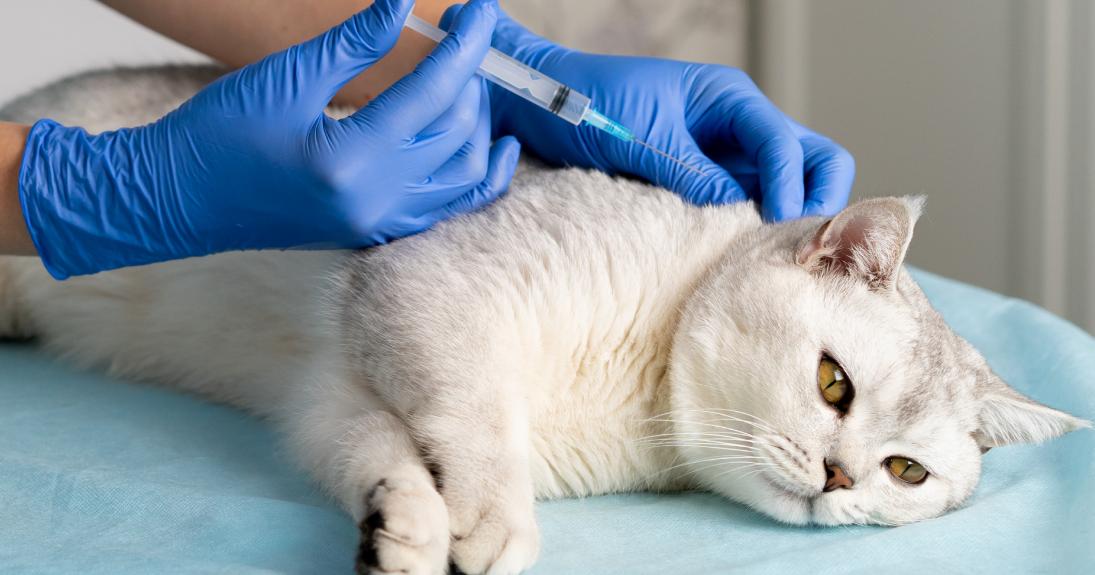
When starting out as a pet owner, whether for a cat, dog, or any other type of animal, caring for their various life needs is important, especially when it comes to health. One thing that cannot be skipped for anyone who wants their cat to have strong health and good immunity is cat vaccination, since it's a method that helps build a protective shield and reduce the severity of symptoms if your cat contracts a serious illness or virus, such as Feline Panleukopenia or Feline Leukemia.
So today, Thonglor Pet Hospital will help all cat owners understand the vaccination process -- whether it's dangerous, and which vaccines are necessary for your cat. If you'd like to know the details, follow along!
Is the Combined Cat Vaccine Dangerous?
Many owners have significant concerns about whether their cat will still be cheerful and playful after vaccination, or whether there will be any long-term health risks. In reality, a cat's post-vaccination symptoms are quite similar to those in humans. After receiving the vaccine, your cat can generally return to normal activities, but bathing should be avoided for 7 days, since a mild fever may occur. Besides fever, the following side effects may also appear:
- Lethargy, loss of appetite, and reduced playfulness
- Mild fever, along with runny nose, coughing, and sneezing
- Swelling at the injection site, along with slight pain
These symptoms are considered normal side effects of vaccination. However, if the following severe symptoms occur, you should bring your pet to consult a veterinarian promptly for diagnosis and further treatment:
- Difficulty breathing or labored breathing
- Persistent, non-stop coughing
- Red rashes appearing on the body, along with unusual swelling throughout the body
- Severe diarrhea combined with vomiting
Overall, cat vaccination is not dangerous to your cat at all, whether in the short or long term. Once the period of side effects has passed, your cat will return to its normal healthy self with even stronger immunity. Especially if your cat happens to be exposed to a severe virus, the resulting symptoms will not be severe enough to be fatal.
What Diseases Does Cat Vaccination Protect Against?
Now that you know vaccines aren't dangerous and don't cause severe side effects, and that they also help build a protective shield for your beloved pet, let's look at what dangerous diseases your cat could be at risk of if you don't get them vaccinated. Some of these diseases cannot be fully cured and can even be fatal:
- Rabies
- Feline Leukemia Virus (FeLV)
- Feline Panleukopenia
- Feline Immunodeficiency Virus (FIV)
- Feline Infectious Peritonitis (FIP)
- Upper Respiratory Infections
In addition, vaccines can also effectively prevent other less severe diseases, which may show no symptoms at all if the cat has received complete and sufficient vaccination. Most importantly, cats should be vaccinated from a young age, since kittens are at higher risk for disease, and if infected, may experience more severe symptoms and a higher mortality rate compared to adult cats.
When Should the First Cat Vaccine Be Given?
The next question is: when should you bring your cat in for their first vaccine? According to veterinarian recommendations, cats should receive their first vaccine at 8 weeks (2 months) of age, followed by continued booster shots according to the schedule your veterinarian recommends, to ensure the vaccine works to its fullest effect. Today, Thonglor Pet Hospital has put together a cat vaccination schedule for owners to review and understand before bringing in your beloved cat for vaccination.
- Combined Vaccine (against Feline Panleukopenia and respiratory viruses)
- 1st Injection -- 8 weeks
- 2nd Injection -- 11 to 12 weeks
- 3rd Injection -- 14 to 16 weeks
- Vaccine Against Rabies
- 1st Injection -- 12 to 14 weeks
- 2nd Injection -- 16 to 20 weeks
- Annual boosters, 2 injections per year
- Booster for Rabies vaccine and the Combined vaccine against Feline Panleukopenia and respiratory viruses (ask your veterinarian about additional vaccines such as Feline Leukemia and FIV)
However, even for adult cats, regular health checkups are still recommended to ensure your cat remains in good health. Most importantly, good nutrition and a clean, germ-free living environment are all it takes to keep your beloved cat healthy, cheerful, and living a long life by your side.
Trust Thonglor Pet Hospital to Care for Your Pet's Vaccination Needs
Having read this far, you should feel confident and ready to bring your cat in for vaccination, to improve their overall health and boost immunity against various diseases. That's why we recommend Thonglor Pet Hospital, a leading animal hospital open 24 hours a day.
We're ready to provide vaccination and care services for pets of all sizes and breeds, with a team of specialist veterinarians, along with clean, sterile facilities and equipment of international quality, open to care for your pet 24 hours a day. Because we believe every illness deserves timely treatment, every problem your pet faces is our problem too. Trust us to care for your pet at Thonglor Pet Hospital.
Contact Thonglor Pet Hospital
Have questions about veterinary care for your pet in Thailand? Contact our team to ask about services, find a suitable branch or arrange an appointment.
If you need English-speaking assistance, please let us know when booking so we can confirm availability.
Book an appointment: Schedule your visit
Call us: +66 2 079 9999
LINE: @jaothonglor
Find a location: Explore our branches
For information about opening hours, treatment costs and preparing for your visit, see our Frequently Asked Questions.
Related in This Category

Did You Know Dogs Can Suffer from Acid Reflux?
My Cat is Lethargic and Refusing Food: What Should I Do? A Guide to Caring for a Sick Cat

Is eating too much wet food dangerous for cats? At what age can they start?

Bad Breath in Dogs and Cats: A Warning Sign You Should Never Ignore