Feline Cancer Understanding the Causes and Risk Factors

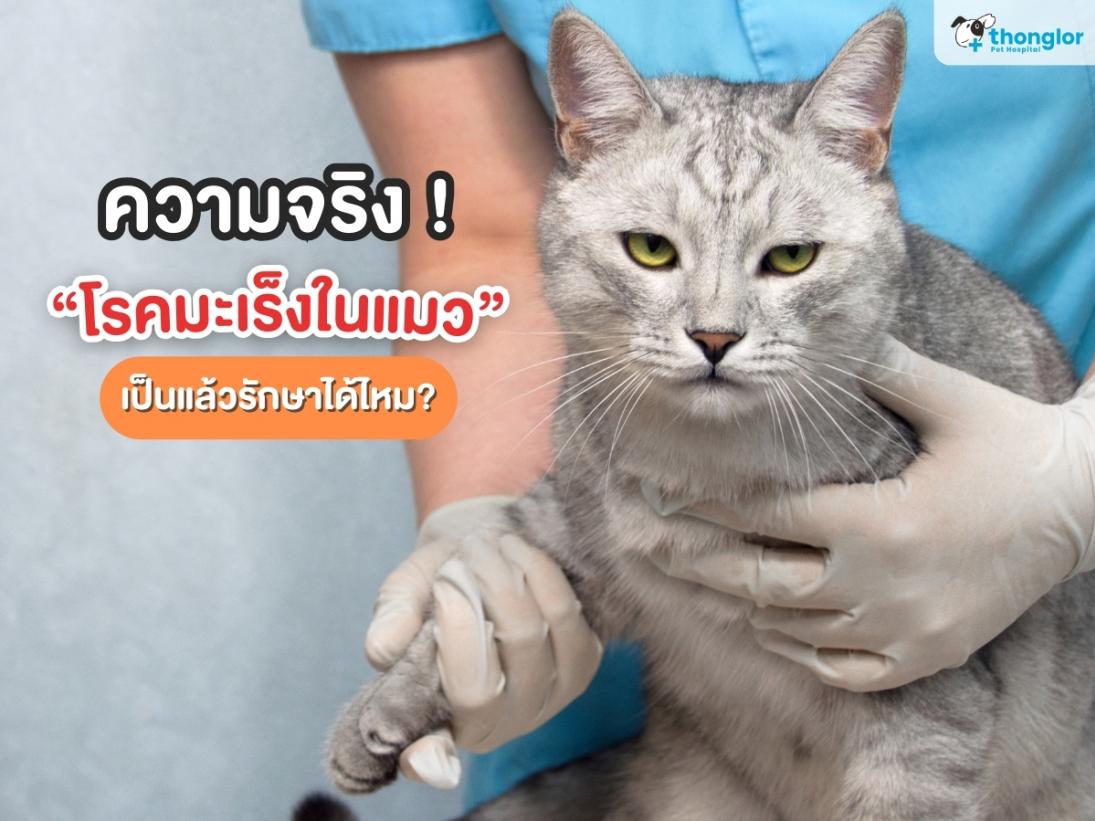
The Truth About Cancer in Cats: Can It Be Treated?
February 4th of every year is World Cancer Day. Today, we'd like to invite you to talk about a topic that may seem distant, but is actually very close to home -- 'cancer in cats.'
How Does Cancer in Cats Develop?
Actually, cancer can occur in cats of any breed and any age, just like in humans. It may begin with cells in the body growing abnormally, or dividing excessively until they form a mass called a "tumor." Sometimes it can spread to various parts of the body, causing a number of problems to follow. Most cancers develop from a combination of several factors, both internal and external, such as viral infection, exposure to UV radiation, or carcinogenic chemicals. In addition, certain types of cancer have also been found to be passed down genetically from generation to generation.
Symptoms to Watch For
- Unexplained weight loss
- Abnormal swelling and lumps on the body
- Foul odor from the mouth, ears, nose, or other parts of the body
- Loss of appetite / difficulty swallowing / abnormal bowel movements
- Changes in the coat, such as hair loss, dry fur, or skin infections
- Coughing / difficulty breathing
- Chronic pain throughout the body, difficulty moving, such as limping
If a Cat Has 'Cancer,' Can It Be Treated?
There are several treatment options for cancer in cats, such as surgery, chemotherapy, or radiation therapy, along with medication to manage symptoms, depending on the type and stage of cancer, as well as the cat's overall health and immune system. If your cat starts showing symptoms, you should consult a veterinarian promptly to find the treatment approach best suited to that particular cat, since even with the same type of cancer, treatment methods can vary from cat to cat.
Symptoms of cancer may not be obvious in the early stages. If you notice any of these abnormal symptoms, we recommend bringing your beloved cat in for a checkup with a veterinarian, which is a good way to catch signs of cancer early -- helping improve the effectiveness of diagnosis, prevention, and treatment considerably.
Contact Thonglor Pet Hospital
Have questions about veterinary care for your pet in Thailand? Contact our team to ask about services, find a suitable branch or arrange an appointment.
If you need English-speaking assistance, please let us know when booking so we can confirm availability.
Book an appointment: Schedule your visit
Call us: +66 2 079 9999
LINE: @jaothonglor
Find a location: Explore our branches
For information about opening hours, treatment costs and preparing for your visit, see our Frequently Asked Questions.
Related in This Category

Did You Know Dogs Can Suffer from Acid Reflux?

My Cat is Lethargic and Refusing Food: What Should I Do? A Guide to Caring for a Sick Cat

Is eating too much wet food dangerous for cats? At what age can they start?

Bad Breath in Dogs and Cats: A Warning Sign You Should Never Ignore