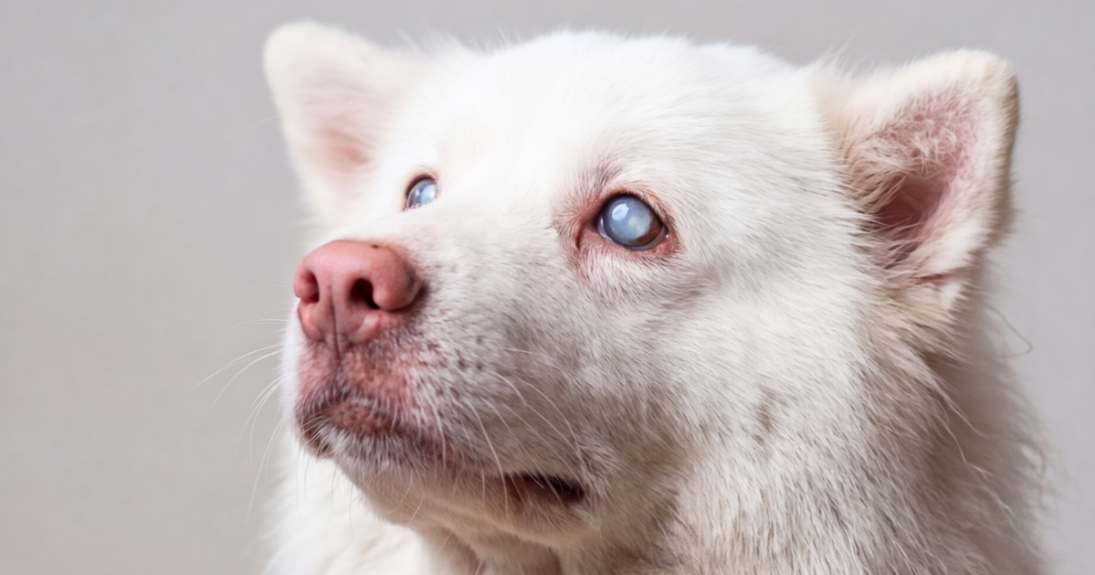
Many people believe that cloudy eyes are simply a natural part of the aging process for senior pets. However, did you know... if your beloved companion has #Diabetes, that white haze might not just be age-related wear and tear? It could be a #Cataract—a complication that can progress with alarming speed.
In pets with diabetes, excessively high blood sugar levels cause specific substances to accumulate within the lens of the eye. This results in the "lens swelling and becoming cloudy very rapidly."
The Hidden Danger: If left untreated, this swelling can lead to severe complications such as "Lens-Induced Uveitis" (internal eye inflammation) or "Glaucoma." These conditions cause intense pain and can lead to permanent vision loss in just a matter of days.
Rapid Clouding: The eye color changes from clear to a distinct white haze within a very short period (sometimes in just a few days).
Changes in Movement: Your pet starts bumping into furniture, hesitates when using stairs, or no longer dares to jump onto high surfaces as they once did.
Redness or Lethargy: Your pet may appear depressed or inactive due to the pain of internal inflammation. You might also notice redness in the whites of the eyes.
We can help your pet see clearly again using PHACO (Phacoemulsification)—an advanced technology that uses high-frequency ultrasonic waves to break up cataracts:
Small Incision, Minimal Pain: Reduces inflammation and lowers the risk of post-operative complications.
Fast Recovery: Ideal for senior pets who need a quick and stress-free healing process.
Restoring Happiness: Allows them to see your face clearly and enjoy their daily activities again.
Q: Does every pet with diabetes develop cataracts?
A: The risk is very high. In diabetic dogs specifically, approximately 75–80% will develop cataracts within one year of diagnosis. Keeping blood sugar levels stable is the most critical factor in slowing this progression.
Q: If my pet’s eyes are already cloudy but their diabetes isn’t under control yet, can they still have surgery?
A: Veterinarians typically recommend stabilizing blood sugar levels first. This ensures maximum safety during anesthesia and the best possible healing results. Our team of internists and ophthalmologists works together to prepare your pet for a successful procedure.
As they grow older... what they want most is to see "your face" clearly every day. Don’t wait until it’s too late. If you notice any cloudiness in your pet’s eyes, consult our specialists immediately at: Ophthalmology Center | Thonglor Pet Hospital
"For any inquiries regarding pet care, grooming, swimming sessions, or online shopping, feel free to reach out to us through the following channels:
#ThonglorPetHospital #TheBestAlways