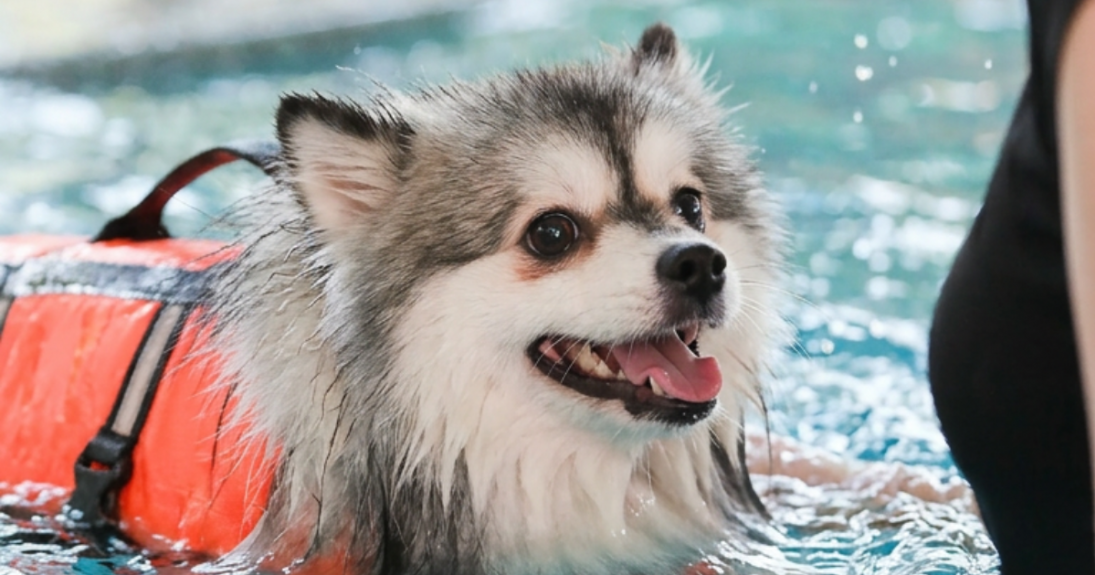
Taking your dog out for a swim isn't just a great way to beat the tropical heat—it is a premier veterinary rehabilitation tool that enhances your pet's holistic well-being. Here are 3 compelling reasons why modern pet owners are shifting from standard land walks to hydro-activities.
Cardiovascular Conditioning: Swimming serves as an excellent aerobic exercise that strengthens the heart and lungs without creating excessive internal body heat, effectively minimizing the risk of heatstroke.
Safe Weight Management: Overweight dogs face severe joint stress on land. Water buoyancy supports their weight, allowing heavy pets to burn calories efficiently while keeping their joints and spine completely protected.
Joint Rehabilitation: For senior dogs with arthritis or large breeds prone to hip dysplasia, moving against water resistance gently expands their range of motion and strengthens surrounding muscles to support their skeletal frame on land.
Q1: Which dog breeds are not naturally suited for swimming and require extra caution
A: Brachycephalic (short-muzzled) and short-legged breeds like French Bulldogs, Pugs, and English Bulldogs have heavy bodies and short limbs, making it difficult to float. Long-backed breeds like Dachshunds also require strict spinal support. These breeds must wear life jackets and receive one-on-one supervision at all times.
Q2: Is a saltwater pool system safer for dogs than a chlorinated pool?
A: Absolutely. Saltwater pools are highly recommended for pets. High chlorine concentrations can strip natural oils from a dog's coat, causing dry, itchy skin, rashes, and eye irritation. Saltwater is much gentler on their sensitive skin, coat, and paw pads.
Q3: How long should a dog swim per session to prevent overexertion?
A: For healthy beginners, a 15-to-20-minute session is ideal. Remember, 1 minute of swimming provides an aerobic workout equivalent to roughly 4 minutes of running on land! For therapeutic hydrotherapy, a veterinarian will customize the duration based on the pet's medical condition.
Q4: What is the most critical post-swim care routine owners should follow?
A: Thoroughly drying the coat down to the skin is non-negotiable. Pay extra attention to the paws, chest, and groin to prevent moisture-induced fungal infections (hot spots). Additionally, gently dry the ears with a cotton ball to avoid water accumulation, which leads to ear infections.
Q5: What health conditions would completely restrict a dog from joining a swim session?
A: Dogs with unhealed surgical incisions, open wounds, infectious skin diseases, poorly controlled heart failure, or active seizure disorders are strictly restricted from entering the pool. A veterinary pre-pool evaluation is mandatory.
Safety First: If it is your pup's first time in the water, rest easy! Our certified hydrotherapy staff will secure a life jacket on your pet and guide them hand-in-hand through the entire session.
"For any inquiries regarding pet care, grooming, swimming sessions, or online shopping, feel free to reach out to us through the following channels:
#ThonglorPetHospital #TheBestAlways