Pet Seizures: Emergency First Aid and Understanding Neurological Cause

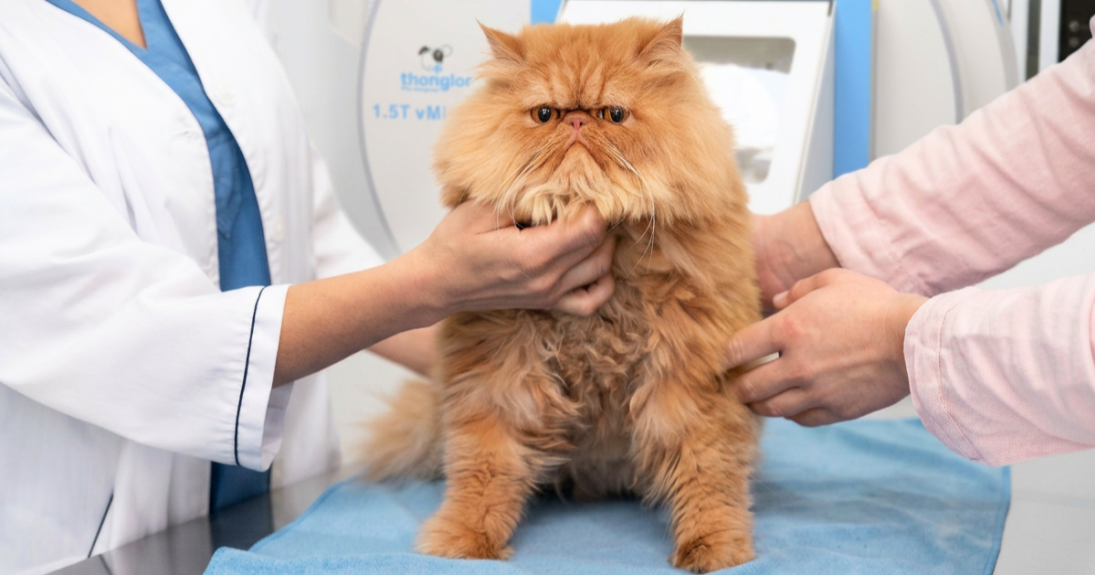
What to Do if Your Pet Has a Seizure? Emergency First Aid and Primary Causes
The moment you see your pet experiencing a seizure, stiffening up, or losing consciousness, it is natural to panic. However, in these critical seconds, "Staying Calm" is the most important thing you can do to keep them safe and minimize potential brain damage.
5 Things You "MUST DO" Immediately During a Seizure
Stay Calm and Check the Time: Note exactly when the seizure starts and how long it lasts. (If it exceeds 5 minutes, it is a life-threatening emergency!)
Safety First: Clear away any hard or sharp objects to prevent your pet from hurting themselves. You may place a soft pillow under their head for protection.
NEVER Put Anything in Their Mouth: Do not try to pry their jaws open or place an object for them to bite. Unlike humans, dogs and cats are not at risk of swallowing or biting off their tongues. Forcing their mouth open puts you at risk of being bitten and may cause them to choke or break their teeth.
Reduce Stimulation: Turn off the lights, turn off the TV, and keep the area as dark and quiet as possible.
Record a Video: If possible, film the seizure. This video is a vital tool for your veterinarian to accurately diagnose the type of seizure (Seizure Pattern).
Danger Signs: Rush to the Emergency Room (ER) Immediately!
Do not wait for the seizure to stop on its own if you notice the following:
The seizure lasts longer than 5 minutes (Status Epilepticus).
Multiple seizures occur within 24 hours (Cluster Seizures).
The pet does not regain consciousness or remains severely lethargic after the seizure.
Why are Seizures a "Neurological" Issue?
Seizures are caused by abnormal electrical activity in the brain, which can stem from two main areas:
Intracranial Causes (Inside the Brain): Such as Idiopathic Epilepsy, brain tumors, or inflammation/infection of the nervous system.
Extracranial Causes (Outside the Brain): Such as toxin ingestion, low blood sugar (hypoglycemia—common in puppies), liver disease, or chronic kidney disease.
When to Consult a Veterinary Neurologist?
Even if your pet has only one seizure and stops on its own, a professional check-up is essential. A seizure is often just the "tip of the iceberg," signaling an underlying condition.
At the Brain, Neurology, and Spine Center of Thonglor Pet Hospital, our team of specialists utilizes advanced diagnostic technology to find the root cause and create a precise treatment plan—ranging from medication management to specialized surgery—to ensure your pet enjoys the best possible quality of life.
Q&A: Frequently Asked Questions About Seizures
Q: My pet is confused, pacing, or lethargic after the seizure. Is this normal?
A: Yes, this is called the Post-ictal Phase. Your pet may be disoriented, extremely hungry, or even temporarily blind. Stay with them in a safe, enclosed area until they are fully calm.
Q: Is an MRI necessary for a pet that has had a seizure?
A: If your vet suspects an internal brain issue, such as a tumor or inflammation, an MRI is the most accurate diagnostic tool. It allows the specialist to see the brain's structure clearly and choose the correct treatment path.
Don’t wait for symptoms to worsen and risk permanent brain damage. Consult our specialists at the Brain, Neurology, and Spine Center | Thonglor Pet Hospital.
"For any inquiries regarding pet care, grooming, swimming sessions, or online shopping, feel free to reach out to us through the following channels:
- Tel: 02-079-9999
- LINE Official: @jaothonglor or click LINE @jaothonglor
- Facebook: Thonglor Pet Hospital
- Book an Appointment: tlpet.club/Thonglor-appointment
- Shop Online: tlpet.club/petshop"
#ThonglorPetHospital #TheBestAlways
Clinical Cases | Related Content

How Dangerous are Seizures in Pets? Understanding the Crisis

Why an MRI is the Key to Saving Your Dog’s Brain
Related in This Category

Did You Know Dogs Can Suffer from Acid Reflux?

My Cat is Lethargic and Refusing Food: What Should I Do? A Guide to Caring for a Sick Cat

Is eating too much wet food dangerous for cats? At what age can they start?

Bad Breath in Dogs and Cats: A Warning Sign You Should Never Ignore