Pet Dementia Care: Slowing Down CDS via Neurological Treatment

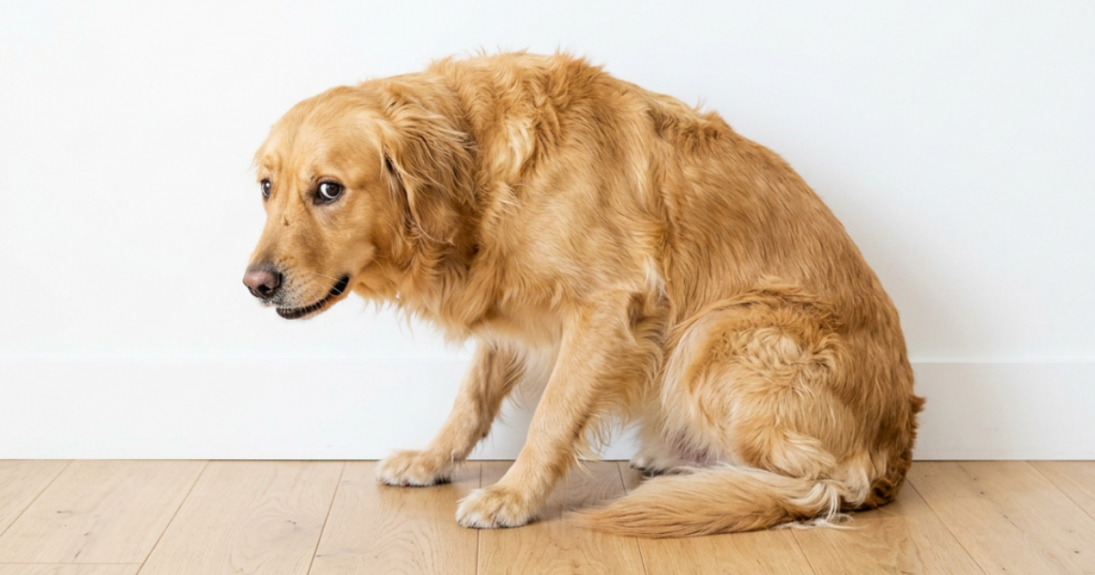
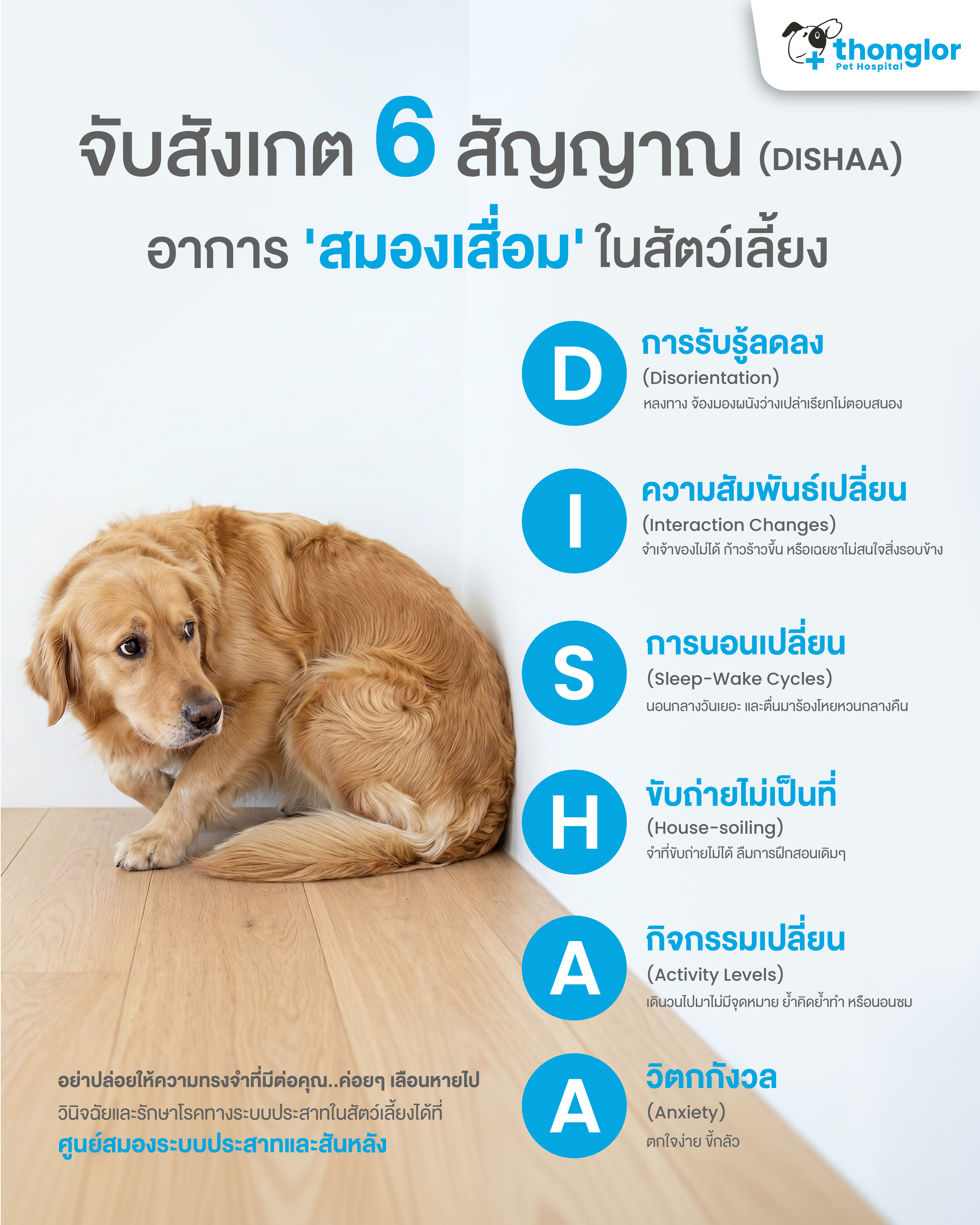
💔 DISHAA: 6 Major Warning Signs of Pet Dementia
Have you ever noticed unusual habits in your senior pet and brushed them off as "just old age"? These behaviors might actually be warning signs of Cognitive Dysfunction Syndrome (CDS)—a neurological condition that slowly fades their precious memories. Let’s evaluate your pet's brain health using the "DISHAA" framework.
D - Disorientation: Getting lost in familiar spaces, staring blankly at walls, or unresponsive to their name.
I - Interaction Changes: Forgetting family members, becoming unusually aggressive, or showing social detachment.
S - Sleep-Wake Cycles: Sleeping all day but pacing, wandering, or vocalizing restlessly throughout the night.
H - House-soiling: Forgetting years of house training and leaving accidents around the house.
A - Activity Levels: Wandering in aimless circles or displaying repetitive, compulsive habits.
A - Anxiety: Becoming hyper-sensitive, fearful of once-familiar objects, or easily startled.
Q&A: 5 FAQs on Pet Dementia (CDS)
Q1: Can Cognitive Dysfunction Syndrome (CDS) in pets be cured?
A: There is no permanent cure for CDS as it involves progressive neurodegeneration. However, we can significantly "slow down the progression" using specialized neuro-protective diets, antioxidant supplements, and targeted medications to maintain their quality of life.
Q2: Could night pacing and crying be caused by something other than dementia?
A: Yes. Severe arthritis pain, high blood pressure, or blindness can also cause identical symptoms. Our specialists will perform physical and blood examinations to rule out systemic illnesses before confirming a CDS diagnosis.
Q3: How can I mentally stimulate a pet diagnosed with dementia?
A: Engaging them with puzzle feeders or teaching them simple, low-stress tracking games helps trigger brain activity. Short walks along safe, alternative routes also stimulate their mind through new sensory smells.
Q4: At what age do dogs and cats typically start showing signs of CDS?
A: It is predominantly seen in senior pets. Signs typically start manifesting around 8–10 years of age in dogs, and 11–12 years of age in cats. The probability increases exponentially with advanced age.
Q5: How should I adjust my home environment to support a pet with CDS?
A: Try to avoid rearranging furniture, as memory gaps make navigation stressful. Keep their paths clear of obstacles, place non-slip mats down, and leave a nightlight on to prevent disorientation and midnight panic.
Don't let their memories slip away without a fight. Early diagnosis offers the best protection for your senior companion's mind. Neurology and Spine Center | Thonglor Pet Hospital
"For any inquiries regarding pet care, grooming, swimming sessions, or online shopping, feel free to reach out to us through the following channels:
- Tel: 02-079-9999
- LINE Official: @jaothonglor or click LINE @jaothonglor
- Facebook: Thonglor Pet Hospital
- Book an Appointment: tlpet.club/Thonglor-appointment
- Shop Online: tlpet.club/petshop"
#ThonglorPetHospital #TheBestAlways
Related in This Category

Did You Know Dogs Can Suffer from Acid Reflux?
My Cat is Lethargic and Refusing Food: What Should I Do? A Guide to Caring for a Sick Cat

Is eating too much wet food dangerous for cats? At what age can they start?

Bad Breath in Dogs and Cats: A Warning Sign You Should Never Ignore