Pet Dementia Care: Slowing Down CDS via Neurological Treatment

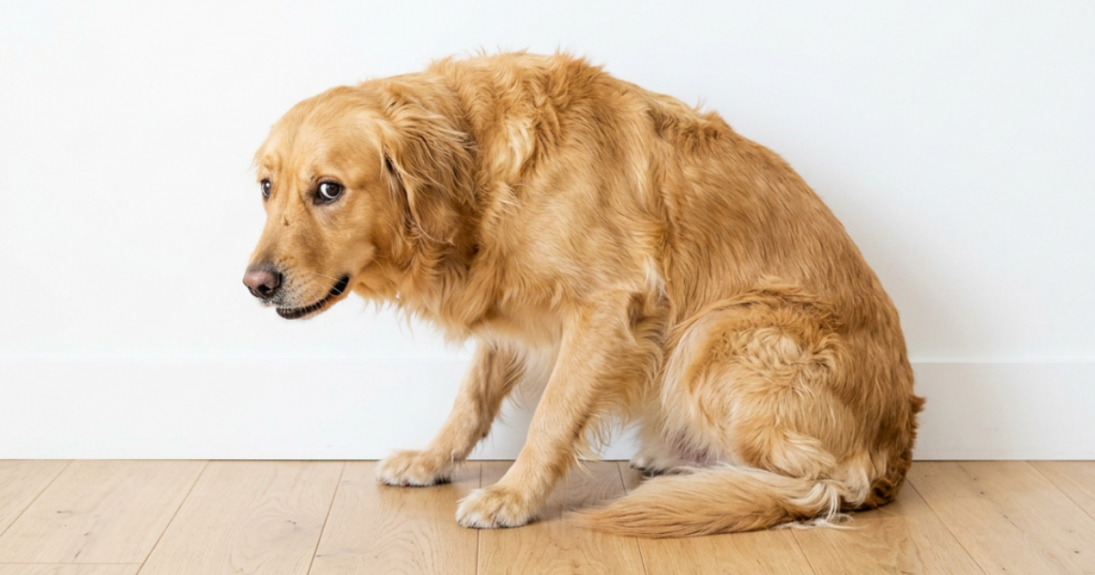
When a Dog or Cat Has Cancer, Do They Need Chemotherapy Just Like Humans?
The answer is "similar in method, but different in goal." In humans, doctors often give fairly high doses to control or eliminate the cancer as much as possible, even if there are noticeable side effects.
But for pets, veterinarians focus primarily on quality of life.
The main goal is to keep the disease under control, slow its progression, and extend the time your pet can still eat, play, and rest normally.
Will My Pet's Fur Fall Out After Chemo?
The good news is, in most cases, no.
This is because a dog or cat's fur doesn't grow continuously the way human hair does, so your pet won't turn into a "bald dog." The exception is certain breeds whose coat grows continuously (such as Poodles, Shih Tzus, or Maltese), who may experience some thinning of the coat or loss of whiskers -- but don't worry, it will grow back.
Side Effects to Watch For
Symptoms usually occur within 3-5 days after receiving the medication, such as:
- Loss of appetite
- Nausea, vomiting, or diarrhea
- Mild lethargy
Most symptoms aren't severe and resolve on their own after stopping the medication. However, if symptoms don't improve within 2-3 days, or your pet becomes very lethargic, won't eat, or shows severe symptoms, contact your veterinarian right away. Since the medication can temporarily lower white blood cell counts, follow-up blood tests are required at scheduled intervals for safety.
Chemo Isn't Something to Fear -- Chemotherapy in Pets Isn't About Prolonging Suffering
It's about "adding quality time" so they can stay with us comfortably and without pain. Treatment comes in various levels and can be adjusted to fit the type of disease, its stage, and each family's readiness, with veterinarians helping plan closely together with owners. Love them, care for them, and watch for abnormalities regularly -- early detection means early treatment, and that's more than half the battle.
Special thanks for this information to: Dr. Thaya Sutabutr (Oncology Clinic)
Contact Thonglor Pet Hospital
Have questions about veterinary care for your pet in Thailand? Contact our team to ask about services, find a suitable branch or arrange an appointment.
If you need English-speaking assistance, please let us know when booking so we can confirm availability.
Book an appointment: Schedule your visit
Call us: +66 2 079 9999
LINE: @jaothonglor
Find a location: Explore our branches
For information about opening hours, treatment costs and preparing for your visit, see our Frequently Asked Questions.
Related in This Category

Did You Know Dogs Can Suffer from Acid Reflux?
My Cat is Lethargic and Refusing Food: What Should I Do? A Guide to Caring for a Sick Cat

Is eating too much wet food dangerous for cats? At what age can they start?
Bad Breath in Dogs and Cats: A Warning Sign You Should Never Ignore