White Cats & Skin Cancer: How Sunlight Affects Your Pet’s Health

White Cats Beware! Intense Sunlight May Lead to Skin Cancer
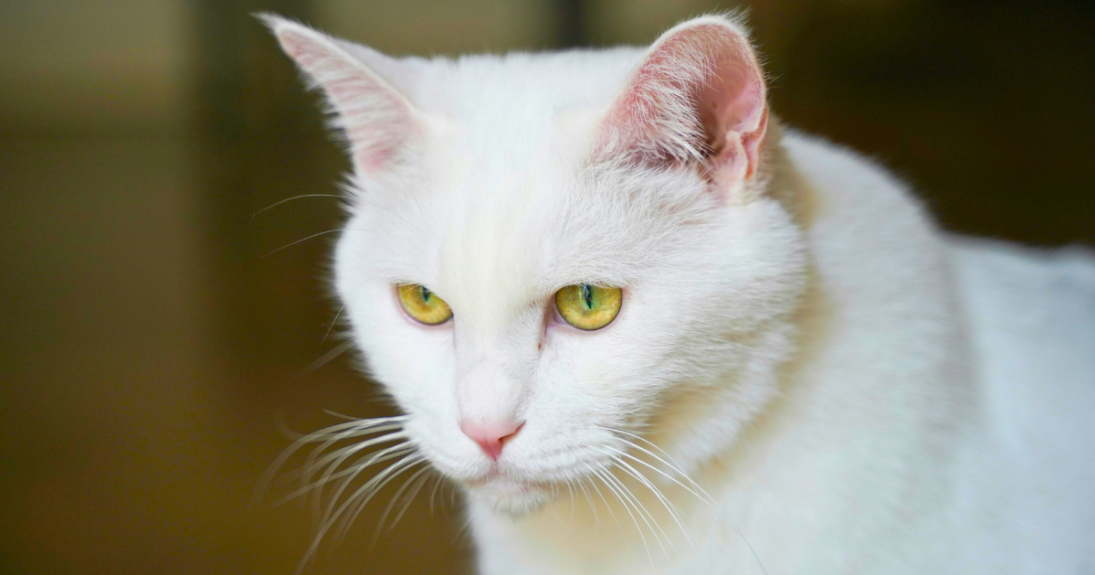
The elegance of a "White Cat" with fur as soft as a cloud often comes with a hidden vulnerability. In tropical climates where sunlight is intense year-round, UV rays do more than just cause heat—they are the primary trigger for a dangerous condition: Squamous Cell Carcinoma (Skin Cancer), which is most prevalent in light-colored cats, especially those with pure white coats.
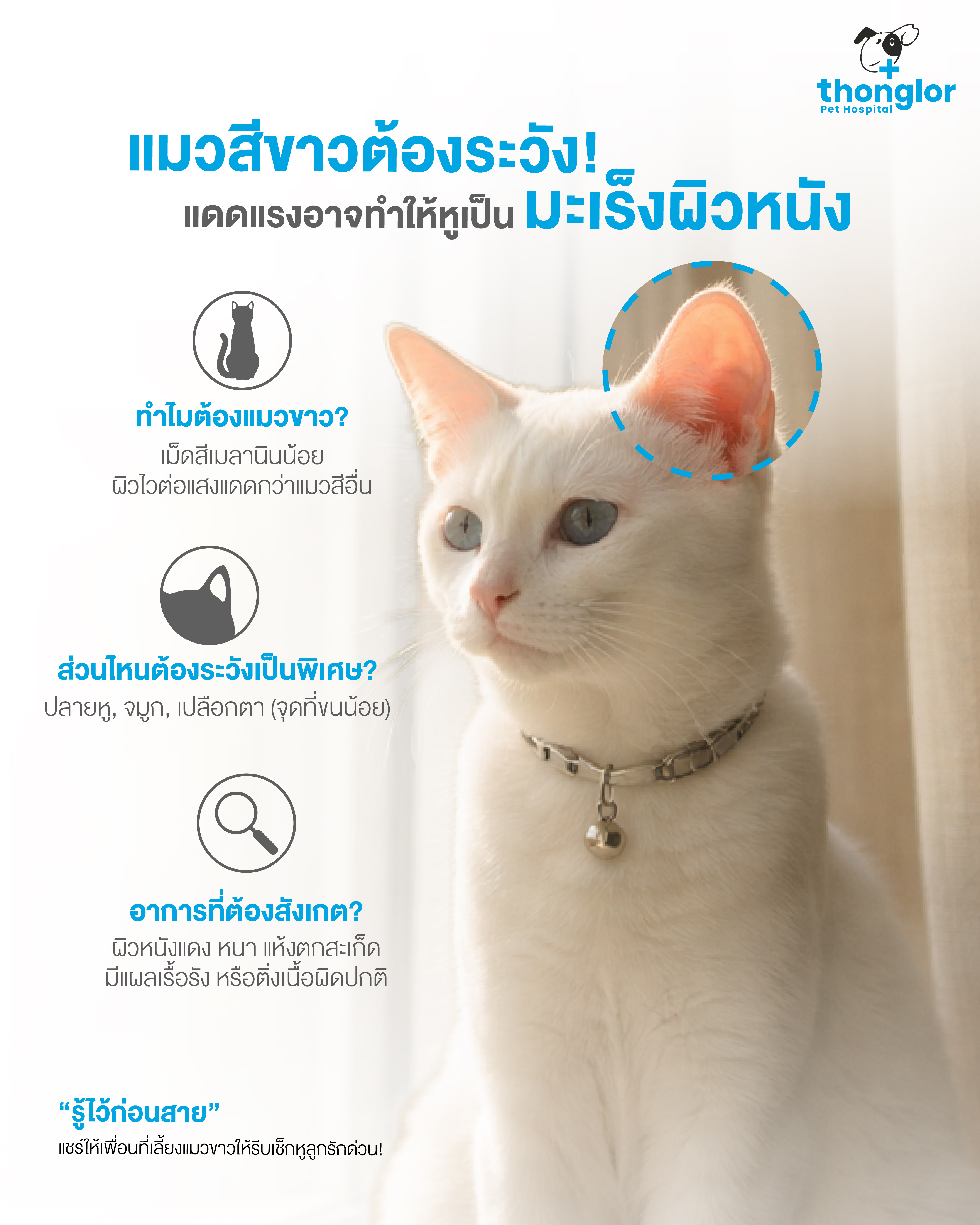
Why White Cats? The Role of Melanin
The reason white cats are at higher risk is biological, not just aesthetic:
Low Melanin Levels: Melanin is a natural "sunscreen" that absorbs and reflects UV rays. White cats have little to no melanin in their skin.
Lack of Protection: Without this natural shield, areas with thin fur are exposed to UV radiation. Long-term exposure leads to genetic changes in skin cells, eventually developing into cancer.
High-Risk Areas: Where to Watch
Focus on areas where the skin is thin and fur is sparse:
Ear Tips: The most exposed point for direct sunlight.
Nose Bridge & Rhinarium: The pink, delicate skin is highly susceptible to sun damage.
Eyelids: The hairless margins around the eyes are prone to inflammation and tumors.
Red Flags: Detecting Danger Signs
Skin cancer doesn't appear overnight. It usually evolves from Solar Dermatitis (sun-induced inflammation). Consult a veterinarian immediately if you notice:
Redness & Inflammation: Persistent redness on ear tips or the nose, resembling a sunburn.
Chronic Scabbing: Dry, crusty scales (similar to dandruff) that do not heal.
Non-Healing Sores: Scabs that fall off only to reveal raw sores that bleed and crust over repeatedly.
Deformed Ear Shape: Thickened ear edges, "notched" ears, or abnormal growths/lumps.
The Risk of Delay: Left untreated, the cancer will erode deeper tissues. This may require an Ear Pinnectomy (surgical removal of the ear flap) to save the cat's life.
Prevention & Care: Building a Shield
Prevention is the best cure. You can protect your beloved pet with these steps:
Limit Peak Sun Exposure: Keep your cat indoors between 10:00 AM – 4:00 PM, when UV intensity is at its highest.
UV Protection Film: Install UV-blocking films or sheer curtains on windows where your cat likes to sunbathe.
Pet-Safe Sunscreen: Apply a thin layer of specialized pet sunscreen to ear tips and the nose.
Note: Never use human sunscreen as ingredients like Zinc Oxide are toxic to cats.
Q&A: Frequently Asked Questions
Q: Can indoor cats still get skin cancer? A: Yes. UVA rays can penetrate standard window glass. If your cat’s favorite lounging spot is by a sunny window, they are still at risk. Use UV-blocking films to be safe.
Q: How long should I wait before seeing a doctor for an ear scab? A: Do not wait. If a scab doesn’t heal within 1–2 weeks, or if you see persistent redness, seek professional help. Treating "Solar Dermatitis" early is much easier than treating a malignant tumor.
Q: Does losing an ear flap affect a cat’s quality of life? A: Not at all. Cats are incredibly adaptable. Even after a pinnectomy, they can still hear well and lead a happy, active life. The priority is removing the cancer before it spreads.
Conclusion
Caring for a white cat requires extra vigilance. Observing small changes today can prevent a life-threatening illness tomorrow. "Check your cat’s ears today for a healthier tomorrow."
If you notice any abnormalities, consult our specialists at the Dermatology & Allergy Center or the Oncology Clinic at Thonglor Pet Hospital (All Branches).
"For any inquiries regarding pet care, grooming, swimming sessions, or online shopping, feel free to reach out to us through the following channels:
- Tel: 02-079-9999
- LINE Official: @jaothonglor or click LINE @jaothonglor
- Facebook: Thonglor Pet Hospital
- Book an Appointment: tlpet.club/Thonglor-appointment
- Shop Online: tlpet.club/petshop"
#ThonglorPetHospital #TheBestAlways
Related in This Category

Did You Know Dogs Can Suffer from Acid Reflux?

My Cat is Lethargic and Refusing Food: What Should I Do? A Guide to Caring for a Sick Cat

Is eating too much wet food dangerous for cats? At what age can they start?

Bad Breath in Dogs and Cats: A Warning Sign You Should Never Ignore