Cat Shedding 101 Causes and Solutions for Pet Owners

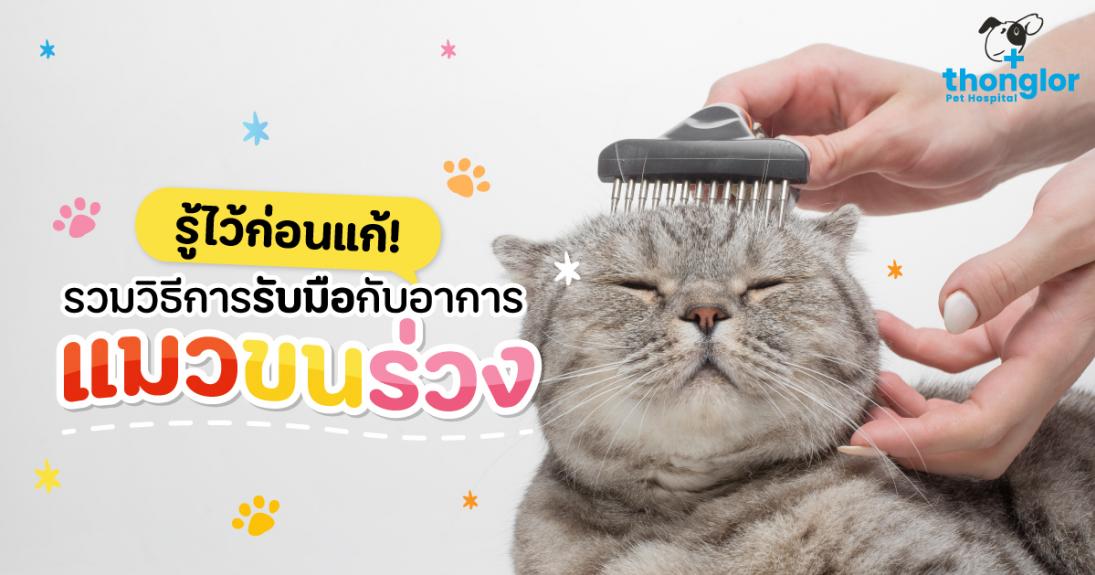
Another problem cat owners regularly face, whether their cat has short or long fur, is cat hair loss. Many new cat owners, or those who have never owned a cat before, may not know that cats naturally shed fur constantly, especially during shedding season, when it can look like your cat is losing an especially large amount of fur. So this observation raises another common question: what kind of hair loss should actually be a cause for concern?
Today, Thonglor Pet Hospital brings you some great advice from our veterinarians to help all cat owners understand shedding behavior, along with the symptoms of various conditions that can affect a cat's skin and coat health. If you're ready, let's continue on in this article!
Understanding Why Cats Shed
First, let's understand a cat's shedding behavior, since hair loss can result from a combination of several factors, which is why owners need to regularly observe symptoms and bring their cat in for regular health checkups, to help with an initial assessment. The main factors and causes affecting cat hair loss include the following:
- Natural shedding -- normally, cats shed 1-2 times a year, though indoor cats may shed during seasons other than summer.
- Nutritional deficiency -- this refers to not receiving enough essential nutrients, such as protein deficiency, which not only results in a dull coat but also worsens overall health.
- Hormonal abnormalities -- pregnant cats, or cats experiencing high stress from anxiety or illness, may have abnormal hormone levels, resulting in patchy hair loss.
- Skin conditions -- this is another possible cause, even for indoor cats in a well-controlled environment, whether from various parasites such as ticks, mites, and fleas. Another condition that can affect the coat is skin irritation, which causes the cat to lick that area frequently, resulting in abnormal hair loss in that spot.
- Product allergies -- cleaning products such as shampoo, fragrance, or coat conditioning oil can cause some cats to develop allergic reactions and skin irritation.
So now that we've compiled some basic checks to help address cat hair loss, owners may be able to make an initial guess at the cause of their cat's hair loss. However, you should still bring your cat to see a veterinarian for a thorough diagnosis, since the symptoms could stem from an unexpected underlying condition.
Want to Nourish Your Cat's Coat and Keep Them Looking Healthy? Here's What to Do
For cat owners who don't want their beloved companion to experience frequent abnormal hair loss, it's necessary to go back to basics -- reviewing their diet and care routine. Here are some tips to help keep your cat's coat stronger and shinier than ever.
- Adjust their diet -- for cats receiving complete, balanced nutrition, the first things to show improvement are mood and coat condition. Good food should be rich in protein, along with various vitamins and Omega-3. However, portion sizes should still be controlled appropriately, to prevent obesity and high fat accumulation, especially for cats who don't like to move around much.
- Brush regularly -- many people choose to brush every 3 days, or even just once a week, but in reality, cats shed fur every day, so you should brush your cat for at least 15 minutes daily, brushing gently from the head downward, and never against the direction of the fur.
- Watch for symptoms -- if you notice your cat licking a particular spot abnormally, or find patchy hair loss, bring them to see a veterinarian immediately for an initial checkup and proper treatment.
- Bathe occasionally -- cats are naturally clean animals, so frequent bathing isn't necessary, especially for indoor cats, who may only need bathing once or twice a month, using a gentle shampoo to prevent allergic reactions and skin irritation.
Use an air purifier -- for a good living environment, and to prevent germs, fungus, and moisture, which directly affect a cat's skin. Using an air purifier can also help improve the health of both your cat and yourself.
What Kind of Cat Hair Loss Is Dangerous?
However, skin conditions in cats can become chronic if left untreated and unaddressed. One of the most common skin and coat conditions found in cats, especially those living in multi-cat households, is ringworm. The culprit behind this disease is a fungal spore called Microsporum Canis, which can spread from cat to cat, or be picked up from the environment.
Observable symptoms vary from cat to cat, but hair loss is the main symptom commonly found, along with red patches and dry, flaky skin, where the fur in that area falls out or breaks more easily than normal.
This condition can be fully cured, along with eliminating all fungal spores present on the cat's body. More seriously, this fungus can spread to humans, with symptoms similar to those in cats -- red circular patches on the skin, dry, peeling, and flaky. So besides fully treating your cat, you should also keep their living environment clean and free of fungus, whether by cleaning every nook and corner, their equipment and toys, or even using an air purifier to help fully cure this condition.
Treating Cat Hair Loss at Thonglor Pet Hospital
If your cat shows abnormal symptoms, hair loss, or you'd like a health checkup to ensure your cat is in strong, complete health, we recommend Thonglor Pet Hospital. We offer a full range of specialized treatment centers, such as our dermatology and allergy center. Most importantly, our team of veterinarians, nurses, and staff are always close by, 24 hours a day -- no matter when illness strikes, we're ready to care for your beloved pet at all times.
In addition, our veterinary team, nurses, and hospital staff have all been thoroughly trained in understanding pet behavior, giving you confidence that your beloved pet will be happy and safe while you're away on a long trip. If you're interested in our pet boarding services or other offerings, please contact us using the details below.
Contact Thonglor Pet Hospital
Have questions about veterinary care for your pet in Thailand? Contact our team to ask about services, find a suitable branch or arrange an appointment.
If you need English-speaking assistance, please let us know when booking so we can confirm availability.
Book an appointment: Schedule your visit
Call us: +66 2 079 9999
LINE: @jaothonglor
Find a location: Explore our branches
For information about opening hours, treatment costs and preparing for your visit, see our Frequently Asked Questions.
Related in This Category

Did You Know Dogs Can Suffer from Acid Reflux?
My Cat is Lethargic and Refusing Food: What Should I Do? A Guide to Caring for a Sick Cat
Is eating too much wet food dangerous for cats? At what age can they start?

Bad Breath in Dogs and Cats: A Warning Sign You Should Never Ignore