Is Your Cat Limping? It Might Be Patellar Luxation.

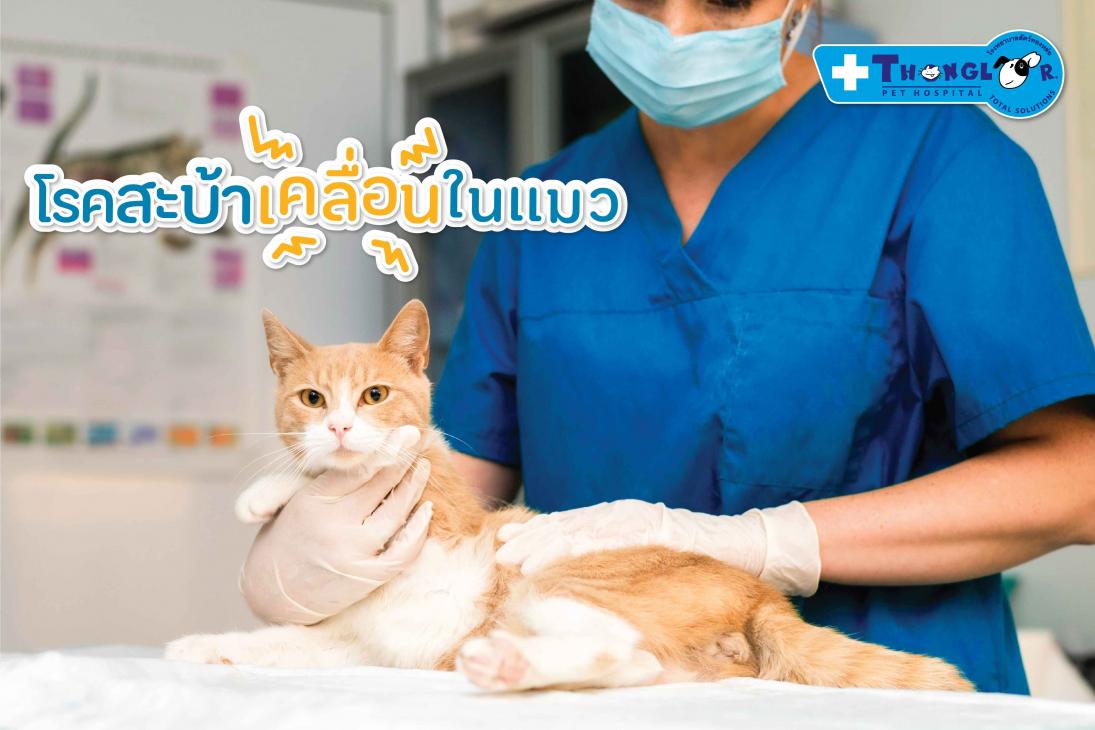
Patellar luxation is one of the most common causes of leg pain seen at animal hospitals, found in both dogs and cats. Although less common in cats, it's a problem that shouldn't be overlooked, since it's one cause of abnormal gait and pain in cats.
Patellar luxation is a condition in which the kneecap, which normally sits within the groove at the front of the knee joint in both hind legs, slips out of place into an abnormal position. It can shift either toward the inside or the outside of the knee joint, and may affect just one leg or both at the same time. In cats, it's most commonly found shifting toward the inside of the knee rather than outward.
Patellar Luxation Can Be Divided Into 4 Grades
- Grade 1: The kneecap stays in its normal position within the joint groove, but can be pushed out of the groove when force is applied along with twisting the ankle.
- Grade 2: The kneecap still sits in the joint groove, but can slip out when the ankle is twisted away from the groove's alignment.
- Grade 3: The kneecap sits outside the groove, but can be pushed back into place.
- Grade 4: The kneecap sits outside the groove and can no longer be pushed back into place.
Symptoms of patellar luxation in cats vary quite a bit depending on the grade. In Grades 1 and 2, the cat will show occasional hind leg pain or intermittent limping, but in Grades 3 and 4, the cat may be unable to extend the hind leg normally, or may show visible deformity of the hind leg.
Causes of Patellar Luxation in Cats
This can be divided into congenital abnormalities, injury-related causes, or a combination of both. Patellar luxation can be found in cats of any breed, though breeds where a genetic cause is more likely to be found include the Devon Rex and Abyssinian.
Diagnostic Methods
Diagnosis can be done through physical palpation, by twisting the hind ankle and pushing the kneecap out of the groove. X-ray imaging can also be used to check for deformity of the hind leg bones and to observe any accompanying joint inflammation.
Treatment Methods
Treatment can be either surgical or non-surgical, depending on the grade and severity. So, to ensure prompt diagnosis and treatment before your cat's patellar luxation progresses to a severe grade, if you notice your cat starting to walk abnormally or showing signs that suggest pain, please bring them in for a checkup with a veterinarian right away.
Contact Thonglor Pet Hospital
Have questions about veterinary care for your pet in Thailand? Contact our team to ask about services, find a suitable branch or arrange an appointment.
If you need English-speaking assistance, please let us know when booking so we can confirm availability.
Book an appointment: Schedule your visit
Call us: +66 2 079 9999
LINE: @jaothonglor
Find a location: Explore our branches
For information about opening hours, treatment costs and preparing for your visit, see our Frequently Asked Questions.
Related in This Category

Did You Know Dogs Can Suffer from Acid Reflux?
My Cat is Lethargic and Refusing Food: What Should I Do? A Guide to Caring for a Sick Cat
Is eating too much wet food dangerous for cats? At what age can they start?
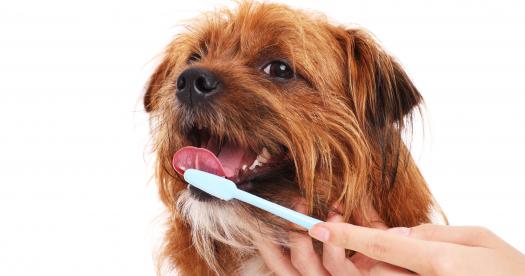
Bad Breath in Dogs and Cats: A Warning Sign You Should Never Ignore