Smelly Ears? Excessive Wax? Your Pet Might Have Otitis.

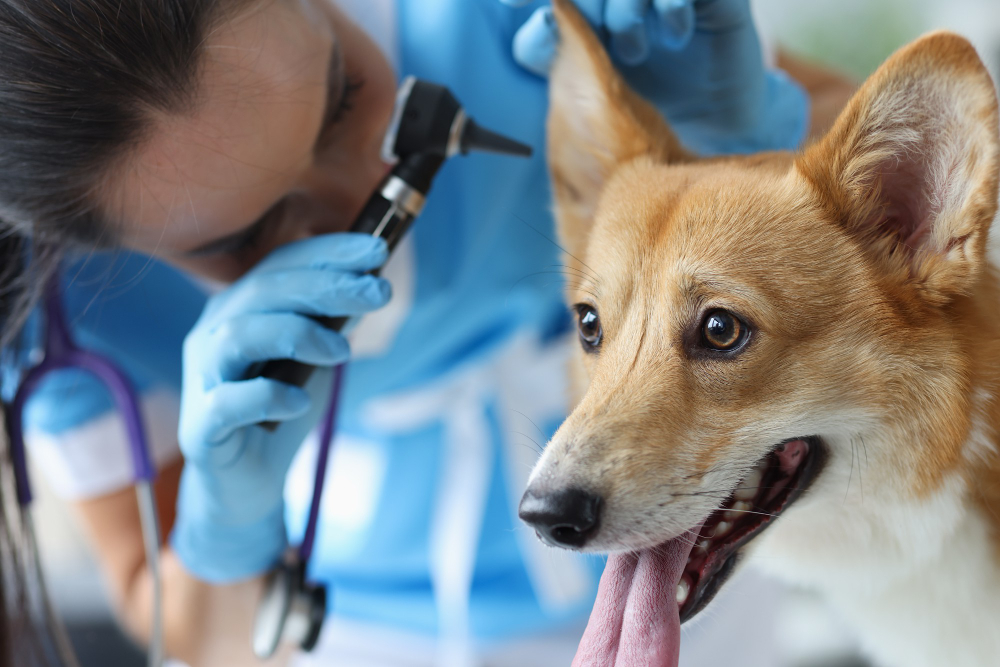
Otitis in Pets
Naturally, the ear canal of pets produces oils and various secretions that coat the walls of the ear canal, in order to prevent infection, trap dust particles, and maintain moisture inside the ear canal.
After some time, these oils and secretions combine with expired or dead cells from the ear canal wall and are expelled outward as earwax, through the action of many tiny hairs on the cell walls of the ear canal. But if this mechanism malfunctions, the pet will develop an "infection" or otitis, such as from bacteria or yeast, which are commonly found when testing earwax samples from pets with otitis.
Common Types of Ear Canal Inflammation in Pets
- Inflammation caused by ear mites
- Various allergies, such as food allergies or environmental allergies, which trigger itching and scratching
- Diseases caused by hormonal abnormalities, such as hypothyroidism or Cushing's disease (hyperadrenocorticism)
- Abnormalities in the structure of cells within the ear canal, such as tumors, polyps, or cancer in the ear canal
- Foreign objects, such as dust, pollen, or insects
Symptoms of Otitis
- Large amounts of earwax, along with a foul odor
- Intense itching and scratching around the ears, as well as the face and base of the ears, along with frequent head shaking, and rubbing the face against the floor or objects in the house
- Redness of the ear flap and ear canal -- in cases that have gone on for a long time, the ear flap may begin to thicken, the skin may darken, and there may be scabs, abrasions, and scratch marks
Other Factors That Can Cause Ear Canal Inflammation
- Dogs with drop ears or folded ear flaps, such as Labradors, Golden Retrievers, and Cocker Spaniels, since their drooping ears cover the ear opening, making it easier for moisture to build up in the ear canal compared to dogs with erect ears, allowing germs to thrive more easily.
- Moisture in the ear canal from activities such as swimming, bathing, or being licked by other dogs in the household.
- High temperature, or temperature resulting from inflammation of the ear canal combined with moisture factors, which allows germs to thrive even more.
- Narrowing of the ear canal, usually resulting from chronic inflammation and swelling of the ear canal wall, which increases moisture buildup and makes it harder to eliminate germs and clean the ear canal.
- The pet's age -- in older pets, the cells lining the ear canal wall, which are responsible for expelling foreign matter and waste (earwax), work less efficiently and cannot expel waste as well as they should.
Treatment Approach
- Treating the infection, along with addressing the underlying cause or predisposing factors mentioned above.
- Flushing the ear canal to remove excess earwax. If ear drops are also prescribed, proper ear flushing helps reduce the amount of earwax that could interfere with the ear drops' effectiveness, and also helps reduce the number of germs in the ear canal.
- Reducing inflammation of the ear canal, which can be helped with anti-inflammatory medication in both oral and ear-drop form, as well as medication applied around areas with scratches or inflamed wounds.
- Long-term care, depending on the underlying cause identified, such as avoiding or eliminating allergens in cases of allergy, and cleaning the ear canal regularly and consistently.
What's the Proper Way to Clean Ears?
- We recommend holding your pet in a lying position on their side, and dripping ear cleaning solution into the ear canal until you see the solution filling the ear canal.
- Massage the area at the base of the ear (you'll be able to feel the cartilage there) for 2-3 minutes, so that the earwax inside the ear canal gradually softens, gets flushed out, and floats to the top.
- Use dry cotton to gently wipe away the solution and earwax that has floated up, a little at a time, until clean.
- Important: We do not recommend using cotton swabs to probe deep into the ear canal, as this can push the earwax further into the deeper part of the ear canal, and may also cause friction against the ear canal wall or lead to inflammation of the ear canal lining.
Article by
Dr. Marisa Saributr
Dermatology and Allergy Center
Contact Thonglor Pet Hospital
Have questions about veterinary care for your pet in Thailand? Contact our team to ask about services, find a suitable branch or arrange an appointment.
If you need English-speaking assistance, please let us know when booking so we can confirm availability.
Book an appointment: Schedule your visit
Call us: +66 2 079 9999
LINE: @jaothonglor
Find a location: Explore our branches
For information about opening hours, treatment costs and preparing for your visit, see our Frequently Asked Questions.
Related in This Category

Did You Know Dogs Can Suffer from Acid Reflux?
My Cat is Lethargic and Refusing Food: What Should I Do? A Guide to Caring for a Sick Cat
Is eating too much wet food dangerous for cats? At what age can they start?
Bad Breath in Dogs and Cats: A Warning Sign You Should Never Ignore