IVDD Treatment for Dogs: Why Choose Ability Center?

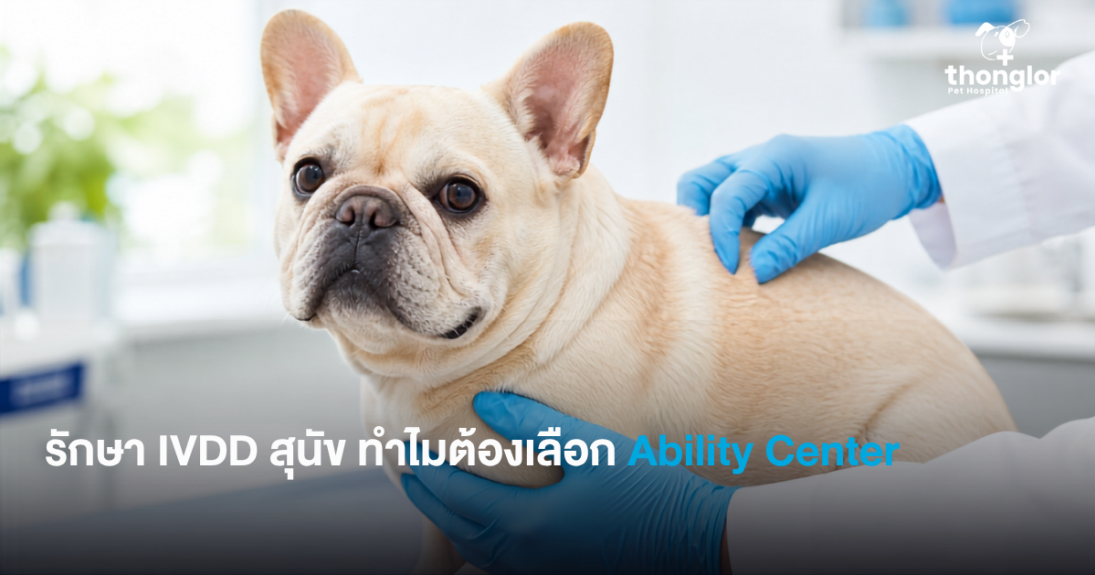
Ability Center provides integrated care for dogs with intervertebral disc disease, or IVDD, by bringing together veterinary teams specializing in neurology, orthopedics, and rehabilitation under one coordinated treatment plan. Care may include identifying the cause, selecting the most appropriate treatment, performing surgery when indicated, and supporting recovery through rehabilitation.
IVDD care does not necessarily end when a patient leaves the operating room. Ongoing care may include monitoring mobility, pain, muscle strength, neurological function, and overall quality of life throughout each stage of recovery.
IVDD Treatment Is Not Limited to Surgery
Intervertebral disc disease, commonly known as IVDD, occurs when a spinal disc degenerates, protrudes, or ruptures and places pressure on the spinal cord or surrounding nerves.
Affected dogs may show signs ranging from neck or back pain, reluctance to move, and an abnormal gait to limb weakness or an inability to stand or walk.
Not every patient requires the same treatment. Some dogs may be managed with medication, strict activity restriction, and rehabilitation. Dogs with severe or worsening neurological abnormalities may require surgery to relieve pressure on the spinal cord.
The treatment plan should therefore be based on the dog’s neurological status, the location and characteristics of the lesion, overall health, duration of symptoms, and response to treatment.
6 Reasons to Choose Ability Center for IVDD Treatment
1. Mobility Problems Are Assessed Across Multiple Body Systems
Limping, limb weakness, dragging the paws, poor balance, or reluctance to bear weight may be associated with the spinal cord, peripheral nerves, bones, joints, muscles, or more than one system at the same time.
Ability Center connects veterinary teams from three specialist centers:
- Neurology and Spine Center
- Orthopedic Center
- Physiotherapy and Rehabilitation Center
This multidisciplinary approach helps the veterinary team distinguish between possible causes, identify the systems involved, and develop a care plan suited to each patient.
The orthopedic team may also be involved when musculoskeletal disease must be ruled out or when a concurrent bone, joint, or muscle condition is suspected.
2. Advanced Diagnostic Tools Help Identify the Location and Nature of the Lesion
Before selecting a treatment or planning surgery, the veterinarian must determine where the abnormality is located, what type of lesion is present, and how severely the spinal cord is affected.
The Neurology and Spine Center at Thonglor Pet Hospital has access to diagnostic tools such as 1.5 Tesla MRI and 128-slice CT, together with neurological examinations and other diagnostic procedures as clinically appropriate.
The veterinarian will determine which diagnostic test is suitable based on the patient’s symptoms and medical indications. Not every dog requires the same type of imaging or testing.
3. Treatment Is Selected According to Each Patient’s Condition
Some dogs with IVDD may still be able to stand and walk but experience significant pain. Others may be unable to walk, may drag their limbs, or may have abnormal neurological responses.
Because severity varies between patients, the most appropriate treatment plan will also vary.
The veterinary team will assess whether the dog may be managed with medication, activity restriction, rehabilitation, or surgery. The decision may also take into account the dog’s age, overall health, lesion characteristics, and daily lifestyle.
4. Urgent Cases Can Be Assessed and Appropriate Care Coordinated
Dogs showing rapidly progressing limb weakness, dragging of the limbs, inability to stand, loss of bladder or bowel control, or worsening neurological signs should be assessed promptly.
Thonglor Pet Hospital provides 24-hour emergency services and can coordinate the appropriate veterinary team, diagnostic equipment, hospital branch, and surgical care according to the needs of each patient.
Specialist schedules and certain diagnostic facilities may vary between branches. Pet owners are encouraged to contact the hospital before travelling so the team can provide guidance and coordinate the most appropriate care.
5. Rehabilitation Can Continue After Treatment
After medical treatment or IVDD surgery, some patients may continue to experience muscle weakness, poor balance, an unsteady gait, or reduced use of the affected limbs.
Rehabilitation can therefore be an important part of the overall treatment plan.
The rehabilitation team will assess the dog’s mobility, strength, pain level, and neurological function before creating an individualized rehabilitation program.
Treatment may include therapeutic exercise, underwater treadmill therapy or hydrotherapy, laser therapy, and other rehabilitation techniques based on the patient’s condition. Progress is monitored, and the program may be adjusted throughout recovery.
6. Treatment and Follow-Up Can Be Coordinated Across the Branch Network
Pet owners may bring their dog to a nearby Thonglor Pet Hospital branch for an initial assessment. The team can then coordinate referral to the most appropriate specialist, diagnostic facility, or hospital branch based on the patient’s condition.
After medical treatment or surgery, some patients may be able to receive follow-up care or rehabilitation at a more convenient branch, depending on the services, facilities, and specialist schedules available at each location.
The IVDD Care Process at Ability Center
Each treatment plan is designed according to the individual patient’s condition. The care process may include:
- A physical and neurological examination
- Assessment of gait, balance, pain, and limb responses
- Additional diagnostic testing using appropriate equipment
- Collaborative treatment planning between relevant veterinary teams
- Medication, activity restriction, rehabilitation, or surgery when indicated
- Rehabilitation, follow-up assessment, and planning to reduce the risk of further injury
The goal of treatment is not only to help the dog walk again. It also includes reducing pain, improving the ability to perform daily activities, and supporting a better quality of life with the family.
When Should a Dog Be Taken to the Hospital Urgently?
Contact a veterinary hospital promptly if your dog shows any of the following signs:
- Sudden weakness in the hind limbs or an unsteady gait
- Dragging the paws, walking on the top of the paw, or poor balance
- Inability to rise, stand, or walk
- Crying or showing pain when the neck or back is touched
- Reluctance to walk, jump, or use stairs
- Loss of bladder or bowel control
- Rapidly worsening weakness or pain
While transporting the dog to the hospital, restrict movement as much as possible. Avoid allowing the dog to walk, jump, or use stairs unnecessarily, and support the body in a stable position.
Frequently Asked Questions About IVDD Treatment
What is IVDD in dogs?
IVDD, or intervertebral disc disease, is a condition in which a disc between the vertebrae degenerates, protrudes, or ruptures, causing pressure on the spinal cord and surrounding nerves.
Symptoms may begin with neck or back pain, an abnormal gait, or limb weakness and may progress to an inability to stand or walk.
Does every dog with IVDD need surgery?
No. Dogs with less severe symptoms may be managed with medication, strict activity restriction, and rehabilitation.
Surgery may be considered based on the severity of neurological abnormalities, the level of pain, diagnostic findings, and how the condition progresses.
Can an X-ray alone confirm IVDD?
X-rays can help assess the bones of the spine and identify certain abnormalities. However, some patients may require MRI or CT imaging to determine the exact location and nature of the lesion before treatment is planned.
Is rehabilitation required after IVDD surgery?
This depends on the patient’s condition.
The veterinarian and rehabilitation team will assess mobility, strength, pain, and neurological function before creating an individualized rehabilitation program.
Can a dog with limb weakness caused by IVDD walk again?
Recovery varies between patients and depends on factors such as the severity of spinal cord compression, neurological function, how soon treatment begins, overall health, and the rehabilitation process.
Each dog must therefore be assessed individually.
Can my dog receive an initial assessment at the nearest Thonglor Pet Hospital branch?
Yes. Pet owners may bring their dog to a nearby branch for an initial assessment.
The team can then coordinate referral to the most appropriate hospital branch, specialist veterinarian, or diagnostic facility according to the patient’s needs.
Consult the Ability Center Team
If your dog develops back pain, an unsteady gait, limb weakness, dragging of the limbs, an inability to walk, or rapidly worsening symptoms, restrict movement and contact Thonglor Pet Hospital for transportation guidance and veterinary assessment.
Call: 02-079-9999
LINE: @jaothonglor
Book an appointment with the Ability Center veterinary team
Contact Thonglor Pet Hospital
Have questions about veterinary care for your pet in Thailand? Contact our team to ask about services, find a suitable branch or arrange an appointment.
If you need English-speaking assistance, please let us know when booking so we can confirm availability.
Book an appointment: Schedule your visit
Call us: +66 2 079 9999
LINE: @jaothonglor
Find a location: Explore our branches
For information about opening hours, treatment costs and preparing for your visit, see our Frequently Asked Questions.
Related in This Category

Did You Know Dogs Can Suffer from Acid Reflux?

My Cat is Lethargic and Refusing Food: What Should I Do? A Guide to Caring for a Sick Cat

Is eating too much wet food dangerous for cats? At what age can they start?

Bad Breath in Dogs and Cats: A Warning Sign You Should Never Ignore