The Hidden Risk of Grooming: Understanding Hairballs in Cats

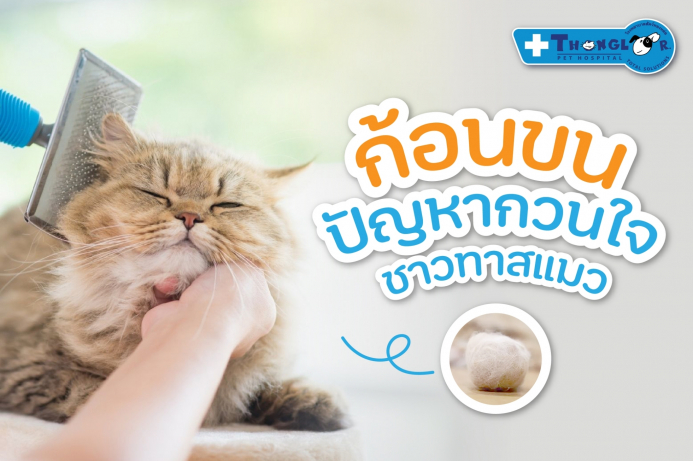
If we were to rank the most 'beauty-conscious' animals, cats would easily be in the Top 3! This love for hygiene is why we constantly see them grooming. However, this elegant habit can lead to 'Hairball Disease.' Let’s get to know this condition better.
What exactly is a Hairball? As cats groom, they swallow loose fur. Over time, this fur accumulates in the digestive tract, forming a mass known as a hairball. While more common in long-haired breeds, short-haired cats can also suffer from this issue.
Causes of Hairball Accumulation
- Excessive Shedding or Grooming Skin diseases can cause increased shedding, while stress may lead a cat to over-groom.
- Digestive Abnormalities Conditions like Inflammatory Bowel Disease (IBD) or Pancreatitis can disrupt the natural process of passing hair through the system.
Symptoms to Watch For
- Frequent retching or gagging without producing a hairball.
- Loss of appetite, constipation, or diarrhea.
- Warning In severe cases, a hairball can cause a complete intestinal blockage, which may require surgical intervention.
How to Manage and Prevent Hairballs
- Dietary Fiber Choose high-fiber cat food to help prevent fur from clumping in the stomach.
- Silver Vine or Cat Grass These natural options help facilitate the movement and expulsion of hair from the digestive tract.
- Hairball Control Gel These gels act as a lubricant to help hair pass through the digestive system more easily.
- Regular Brushing This is the best prevention! Brushing removes loose fur before your cat can swallow it during grooming.
If you are unsure whether your cat’s behavior is related to hairballs, we recommend consulting a veterinarian for an initial check-up to ensure their well-being.
Contact Thonglor Pet Hospital
Have questions about veterinary care for your pet in Thailand? Contact our team to ask about services, find a suitable branch or arrange an appointment.
If you need English-speaking assistance, please let us know when booking so we can confirm availability.
Book an appointment: Schedule your visit
Call us: +66 2 079 9999
LINE: @jaothonglor
Find a location: Explore our branches
For information about opening hours, treatment costs and preparing for your visit, see our Frequently Asked Questions.



Related in This Category

Did You Know Dogs Can Suffer from Acid Reflux?
My Cat is Lethargic and Refusing Food: What Should I Do? A Guide to Caring for a Sick Cat
Is eating too much wet food dangerous for cats? At what age can they start?

Bad Breath in Dogs and Cats: A Warning Sign You Should Never Ignore