Identifying and Managing Food Allergies in Your Beloved Dog

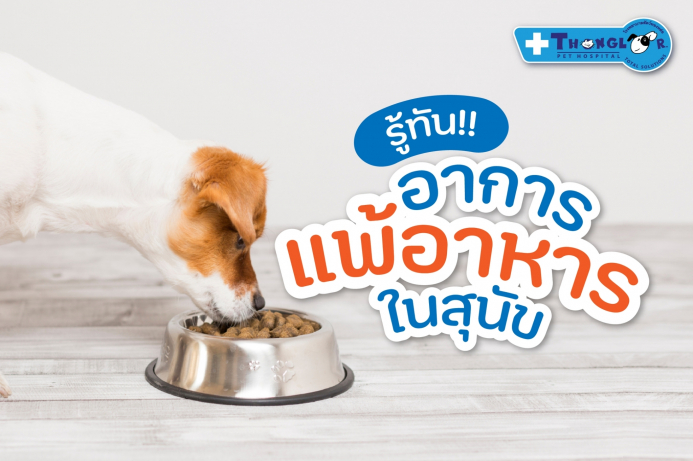
Recognizing and Managing Food Allergies in Dogs
Just like in humans, food allergies are a common issue for dogs. The food your furry companion eats every day could potentially be the cause of their discomfort. Let’s get prepared to protect your beloved pet from food sensitivities.
What Causes Food Allergies? Food allergies occur when the immune system overreacts to certain proteins in the diet. This triggers the release of histamines from cells, leading to allergic reactions—most commonly manifested as persistent skin itching.
Common Symptoms of Food Allergies
- Itching and Scratching: The most frequent sign. Dogs often scratch around their body, ears, paws, or armpits. Constant scratching leads to inflammation and open sores, increasing the risk of secondary infections.
- Red Rashes and Hair Loss: Allergic severity varies. Some dogs develop red rashes that lead to patchy hair loss. If you notice these signs, consult a vet immediately to prevent severe skin disease.
- Vomiting and Diarrhea: Severe or chronic allergies can affect the digestive system, causing intestinal inflammation, vomiting, or mucoid stools. These symptoms often develop over time due to prolonged exposure to allergens.
- Lethargy and Loss of Appetite: If a dog is forced to eat food that makes them feel unwell every day, they may become depressed and refuse to eat, eventually leading to a decline in overall health.
Can Food Allergies Be Cured?
Allergies cannot be "cured" in the traditional sense, but they can be perfectly managed. By identifying the specific allergens through medical testing and strictly avoiding them, your dog can live a symptom-free life.
How to Care for and Protect Your Dog
- Allergy Testing Consult a veterinarian to perform professional allergy testing to identify exactly which ingredients trigger a reaction.
- Strict Diet Control Once allergens are identified, eliminate them from your pet's diet and switch to a hypoallergenic or specialized menu as recommended by your vet.
If we continue to feed dogs food they are allergic to, we are indirectly harming them and inviting other illnesses. If your dog shows any signs of distress after eating, please bring them in for a diagnostic test so we can tailor the right diet for their health
Contact Thonglor Pet Hospital
Have questions about veterinary care for your pet in Thailand? Contact our team to ask about services, find a suitable branch or arrange an appointment.
If you need English-speaking assistance, please let us know when booking so we can confirm availability.
Book an appointment: Schedule your visit
Call us: +66 2 079 9999
LINE: @jaothonglor
Find a location: Explore our branches
For information about opening hours, treatment costs and preparing for your visit, see our Frequently Asked Questions.
Related in This Category

Did You Know Dogs Can Suffer from Acid Reflux?

My Cat is Lethargic and Refusing Food: What Should I Do? A Guide to Caring for a Sick Cat
Is eating too much wet food dangerous for cats? At what age can they start?
Bad Breath in Dogs and Cats: A Warning Sign You Should Never Ignore