Pet diary

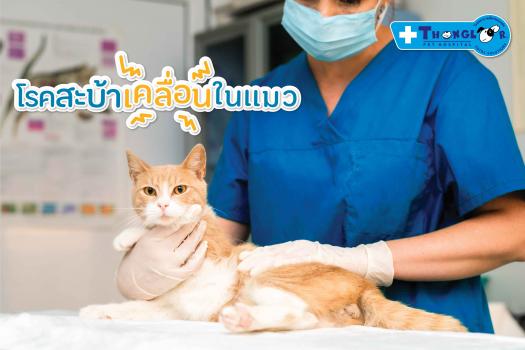
Patellar luxation is one of the most common causes of lameness treated at our animal hospital. While this condition is frequently diagnosed in dogs, it can also occur in cats. Although it is less common in the feline population, it is a significant issue that should not be overlooked, as it is a leading cause of abnormal gait and mobility problems in cats.
Read more

For all the pet lovers out there—we know the feeling! Whenever you see a cute dog or cat, it’s almost impossible not to stop and say hello. Today, Thonglor Pet Hospital has some great tips on how to approach strange dogs and cats the right way, ensuring both a warm welcome and, most importantly, everyone’s safety.
Read more
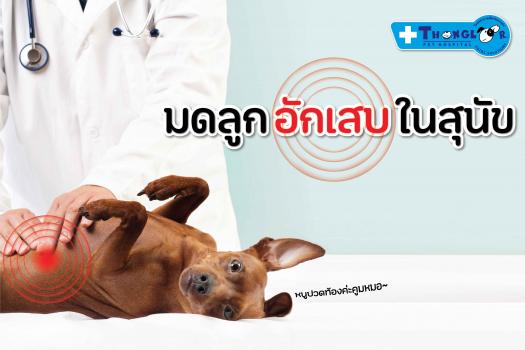
Pyometra is a serious and potentially life-threatening infection of the uterus, characterized by inflammation and the accumulation of fluid (pus) within the uterine cavity. This condition is most commonly found in older, unspayed female dogs. It is typically caused by bacterial infection or hormonal imbalances that trigger the thickening of the uterine lining (endometrial hyperplasia) and excessive secretion of fluids, creating an ideal environment for bacteria to grow.
Read more

Are you starting to wonder what microchipping is all about? Why is it so important to have your pets microchipped, and does the procedure hurt? Today, we’re going to clear up those doubts and talk about how microchips work, including the vital benefits they offer for you and your beloved companions.
Read more

For all the dog parents out there, have you ever taken a close look at the color of your pup’s urine? If I had to guess, most of you probably haven’t, right? But believe it or not, paying attention to this small detail can provide vital information that veterinarians use to diagnose various underlying health conditions.
Read more

"Cataracts in pets" is a term used to describe any opacity or cloudiness of the lens inside the eye. This condition often appears as a milky white or yellowish haze, regardless of its location within the lens or its underlying cause. It is important to note that cataracts can develop in pets of all breeds and sizes.
Read more