Recognizing and Reducing Cat Stress: Expert Advice for a Happier Pet

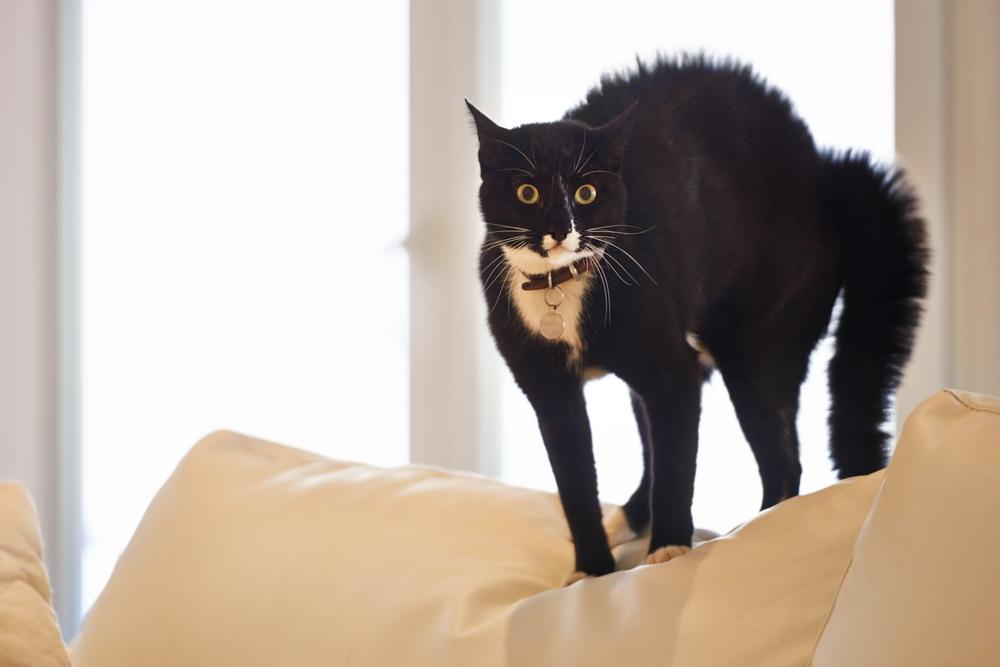
Cats are sensitive animals that often express their emotions through subtle behaviors owners may easily overlook. "Stress" is one of the most common problems, especially when a cat has to be alone or faces a new environment. Recognizing the signs of a stressed cat is important, since these symptoms can affect a cat's overall health.
Why Do Cats Get Stressed?
Stress in cats can result from many causes, such as:
- Environmental changes: moving to a new home, a new pet, or new people entering the household
- Changes in daily routine: the owner being away from home for extended periods, or a change in the cat's daily routine
- Health problems: certain illnesses or health conditions can also show up as stress symptoms, such as loss of appetite or restlessness
A cat under too much stress can develop behavioral problems or physical illness as a result. So recognizing the signs early helps owners address the issue in time.
What Are the Symptoms of a Stressed Cat?
- Restlessness: When a cat is stressed, they can't stay still, showing it through pacing back and forth or constant running.
- Hiding: A cat who feels unsafe will choose to hide in a dark corner or under furniture.
- Aggressive or easily irritated behavior: Your cat may scratch or bite when someone approaches, something they've never done before.
- Destroying belongings: Besides harming people, a cat may start scratching furniture or trying to destroy objects around them.
- Rapid breathing: Owners may notice their cat breathing quickly and appearing out of breath.
- Fur standing on end or fluffed up: When a cat's fur stands up or becomes abnormally fluffed, this is one sign that their body is under stress.
- Loss of appetite or eating less: One commonly found symptom of a stressed cat is eating less, since they simply don't feel hungry.
- Showing signs of discomfort: Your cat walks with an unnatural gait.
How to Recognize Stress in Cats
Recognizing stress in cats is important, since cats are sensitive animals that often don't show obvious symptoms. Noticing their symptoms early helps owners address the problem accurately, while also helping prevent chronic stress buildup and reducing the risk of other stress-related conditions that could follow.
Observe Your Cat's Behavior and Symptoms Daily
Closely observing your cat helps you clearly notice signs of stress that may develop gradually, whether pacing, loss of appetite, or the start of aggressive behavior. This helps owners see the trend of changes and understand what event triggered the stress, such as moving to a new home, a new pet, or a change in routine.
Compare Against Your Cat's Normal Behavior
Knowing each cat's normal behavior is important, since every cat has a different personality.
- If a cat who's normally playful and curious suddenly starts hiding or becomes withdrawn, this may be a sign of stress.
- If a cat who's normally indifferent to their surroundings starts pacing or scratching furniture, owners should pay attention right away.
Use Tools to Help With Observation
Today, technology makes observing cats easier, such as:
- Security cameras: to watch your cat's behavior while you're away from home
- Pet behavior tracking apps: which can record activity, eating, and sleeping
Using these tools helps owners promptly notice changes that may indicate their cat is stressed.
How Many Days Until Cat Stress Goes Away? Tips to Reduce Stress in Cats
Every cat has a different personality and sensitivity to their environment, so recovery time from stress varies. Some cats may adjust within 1-2 days, while others may take several weeks, especially if the cat has accumulated chronic stress or faces multiple triggering factors. So observing behavior and appropriately adjusting the environment will help your cat relax and recover faster.
Adjust the Environment
Arranging the environment so your cat feels safe is the first step in reducing stress, and can help your cat feel safe and relaxed within just a few days.
- Personal space: Set up a quiet corner for your cat, such as a sleeping box, a calm corner of a room, or a high shelf where your cat can climb up and hide.
- Reduce disruptive stimuli: Try to avoid loud noises such as cars or doorbells, or keep your cat away from other pets that may cause them stress.
- Scent and toys: Use toys or furniture your cat is familiar with, to help reduce anxiety.
Establish a Consistent Daily Routine
Cats are creatures of habit, and having a clear daily routine helps reduce stress and provides a sense of security.
- Feed and play on schedule: Having consistent meal times and playtimes helps your cat feel familiar and reduces anxiety.
- Brain-stimulating and exercise toys: Using prey-catching toys or interactive toys helps your cat use up energy, reduce stress, and have more fun.
- Touch and attention: Owners should regularly pet or hold their cat according to each cat's preference, to build a bond and help them feel safe.
Basic Health Care
Sometimes stress can result from an underlying health problem. Bringing your cat in for regular health checkups is therefore important.
- General health checkup: If your cat shows stress symptoms along with other symptoms, such as weight loss or abnormal lethargy, bring them in for a checkup to find additional causes.
- Neurological exam: Sometimes stress can result from a neurological or brain-related problem. An examination by a specialist veterinarian can help identify the cause and plan targeted treatment.
Combining health care with environmental and routine adjustments will help a stressed cat recover faster, while reducing the risk of physical illness and aggressive behavior.
If you notice your cat showing restlessness or hiding frequently, keeping them in a stable, safe environment is important. For owners who can't be there to supervise at all times, the cat boarding service at Thonglor Pet Hospital helps keep your cat in a calm, safe environment, effectively reducing stress, with a veterinary team on hand 24 hours a day, plus appropriate exercise activities for your cat.
Our cat boarding service doesn't just help reduce stress -- it also gives owners peace of mind knowing their cat is well cared for. Consult with us at the Thonglor Pet Hospital branch nearest you.
Contact us at 02-079-9999 or our Line Official account @jaothonglor
Reference:
- 8 Signs Your Cat Is Stressed. Retrieved October 15, 2025 from research.ed.ac.uk/files/291513274/Happy_Cats_stress_assoc_with_outpatient_visits_revised_marked_copy_.pdf
Contact Thonglor Pet Hospital
Have questions about veterinary care for your pet in Thailand? Contact our team to ask about services, find a suitable branch or arrange an appointment.
If you need English-speaking assistance, please let us know when booking so we can confirm availability.
Book an appointment: Schedule your visit
Call us: +66 2 079 9999
LINE: @jaothonglor
Find a location: Explore our branches
For information about opening hours, treatment costs and preparing for your visit, see our Frequently Asked Questions.
Related in This Category

Did You Know Dogs Can Suffer from Acid Reflux?
My Cat is Lethargic and Refusing Food: What Should I Do? A Guide to Caring for a Sick Cat

Is eating too much wet food dangerous for cats? At what age can they start?

Bad Breath in Dogs and Cats: A Warning Sign You Should Never Ignore