7 Common Cancers in Dogs: Early Detection Saves Lives

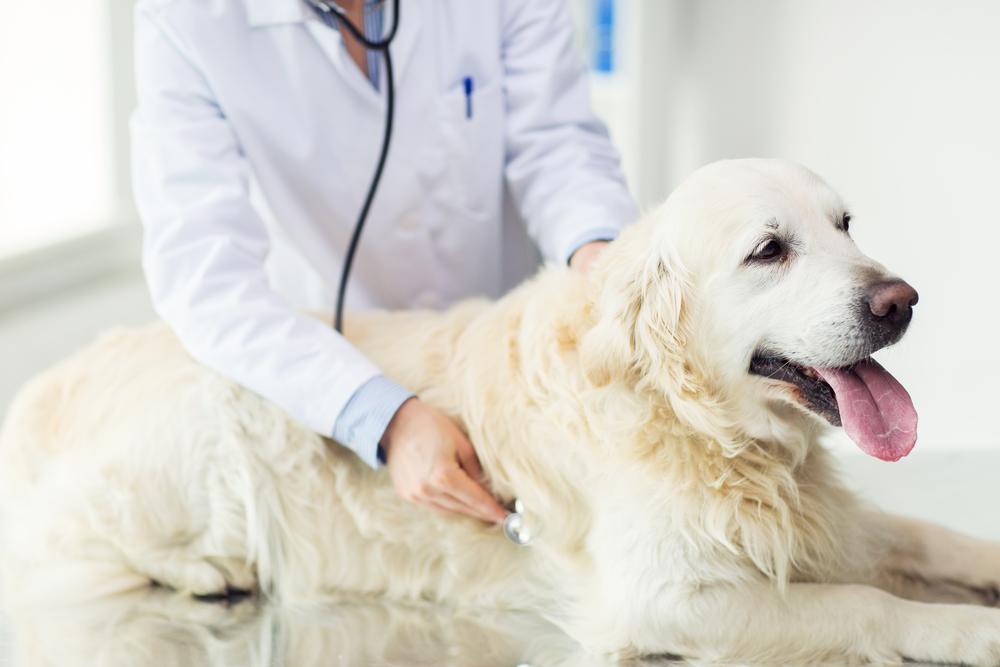
For anyone who owns a dog, you understand well that your dog is like a member of the family, and you want to see them stay healthy and by your side for as long as possible. However, one of the diseases dog owners worry about most is cancer -- whether skin cancer, lymphoma, liver cancer, and so on -- since besides being difficult to treat, it directly affects your dog's quality of life and happiness.
That's why it's so important to recognize warning signs from the earliest stage, so you can get your dog examined and treated sooner, which usually means a better chance of controlling the disease and a longer, better quality of life. Let's take a look at 7 common cancers found in dogs, so you can use this as a basic guide for caring for your dog and spotting abnormalities before it's too late.
7 Common Cancers in Dogs, With Basic Care Guidelines
1. Skin Cancer & Mast Cell Tumor in Dogs
Skin cancer is one of the most commonly found conditions in dogs, especially those with thin, light-colored fur, or dogs exposed to strong sunlight for extended periods. It can result from genetics, chronic inflammation, or UV radiation exposure. The most common type is the Mast Cell Tumor, which develops from mast cells -- immune cells found in the skin. If these cells grow abnormally, they can form a rapidly expanding cancerous mass.
Symptoms to Watch For
- A raised lump on the skin that grows within a short period
- The lump may be red, swollen, or develop into an open wound
- In some cases, multiple lumps may be found in different parts of the body
Treatment Approach for Skin Cancer in Dogs
Currently, a biopsy is the only way to confirm whether a mass is a Mast Cell Tumor. Treatment for skin cancer in dogs typically involves surgery as the primary approach, supplemented with radiation or chemotherapy in advanced cases.
2. Mammary Tumor
Besides skin cancer, mammary tumors are another commonly found condition in female dogs, especially those not spayed before 2 years of age, since sex hormones contribute to stimulating the growth of mammary tissue.
Symptoms to Watch For
- One or multiple lumps in the mammary area
- Swollen, red skin around the mammary area, or open wounds
- In some cases, discharge or bleeding from the mammary glands
Treatment Approach for Mammary Cancer in Dogs
Initially, the veterinarian will assess through X-ray, ultrasound, and biopsy. In early stages, the mass can usually be surgically removed, and spaying after surgery also helps reduce the risk of recurrence.
3. Lymphoma
Lymphoma results from abnormalities in white blood cells called lymphocytes, which function in the immune system. It's found across many dog breeds, especially Golden Retrievers and Labrador Retrievers.
Symptoms to Watch For
- Enlarged lymph nodes, especially around the neck, armpits, or groin
- Weight loss, loss of appetite, and lethargy
- In some cases, fever or difficulty breathing
Treatment Approach for Lymphoma in Dogs
This type of cancer responds well to chemotherapy in many cases. The veterinarian will perform blood tests and a biopsy to confirm the stage of disease and plan appropriate ongoing treatment at an animal hospital.
4. Osteosarcoma (Bone Cancer)
Commonly found in large breed dogs, such as Rottweilers, Great Danes, and Golden Retrievers, usually occurring in the bones of the front and hind legs, especially around the knee or shoulder joint.
Symptoms to Watch For
- Unexplained limping
- Abnormal swelling in the leg or bone area
- In some cases, a bone may fracture on its own due to bone fragility
Treatment Approach for Bone Cancer in Dogs
X-ray and biopsy are needed to confirm whether it's truly bone cancer. If confirmed, treatment usually involves surgery combined with chemotherapy, to control the spread of cancer cells to other organs.
5. Liver Cancer
Liver cancer can result from a tumor directly in the liver, or from other cancers that have spread to the liver. Commonly found in senior dogs or dogs with chronic liver disease.
Symptoms to Watch For
- Loss of appetite, vomiting, or chronic diarrhea
- Abdominal swelling, or fluid accumulation in the abdomen
- Unexplained weight loss
Treatment Approach for Liver Cancer in Dogs
Ultrasound and blood tests are used to assess liver function. If caught in an early, non-advanced stage, surgery may help improve treatment outcomes.
6. Oral Cancer
Found in senior dogs, especially breeds with wide mouths, such as Golden Retrievers or Schnauzers, usually occurring on the gums, tongue, or lips.
Symptoms to Watch For
- A lump or wound in the mouth
- Abnormally strong bad breath
- Difficulty eating and excessive drooling
Treatment Approach for Oral Cancer in Dogs
The veterinarian will examine using X-ray or CT scan to assess how far the mass has spread. Treatment may involve surgery, radiation, or chemotherapy combined, depending on the type and stage of disease.
7. Lung Cancer
Lung cancer in dogs is less commonly found compared to skin cancer and the other cancers mentioned above, but if it does occur, prompt diagnosis is important, since early detection plays a major role in treatment approach and long-term outcomes.
Symptoms to Watch For
- Chronic coughing, labored breathing, or abnormal breathing sounds
- Tiring easily, weight loss
- In some cases, fever or coughing up blood
Treatment Approach for Lung Cancer in Dogs
Initially, the veterinarian will diagnose using chest X-ray and CT scan. Treatment approach depends on the location and stage of disease, and may require surgery or chemotherapy as well.
 ’
’
Early Detection, Fast Treatment -- Helping Your Dog Stay Healthy for Longer
Cancer in dogs is a condition that shouldn't be overlooked, since it can occur in dogs of any age and breed. Knowing about commonly found cancers, such as Mast Cell Tumor and the others mentioned above, helps owners stay vigilant and notice abnormal signs sooner. The faster it's detected, the more effective treatment can be.
If you're looking for comprehensive pet health care under international treatment standards, you can bring your dog to Thonglor Pet Hospital, a 24-hour animal hospital with an experienced veterinary team, complete and modern diagnostic equipment, and an emergency room ready to receive pets at all times, so every family's dog can have strong health and the best possible quality of life. Contact us at 02-079-9999 or our Line Official account @jaothonglor
References:
- 12 Types of Cancers in Dogs and Cats. Retrieved October 10, 2025 from https://ccr.cancer.gov/comparative-oncology-program/disease-info
- Mast Cell Tumor (Mastocytoma) in Dogs. Retrieved July 24, 2025 from https://wvj.science-line.com/attachments/article/85/WVJ15(1)31-41,%202025.pdf
Contact Thonglor Pet Hospital
Have questions about veterinary care for your pet in Thailand? Contact our team to ask about services, find a suitable branch or arrange an appointment.
If you need English-speaking assistance, please let us know when booking so we can confirm availability.
Book an appointment: Schedule your visit
Call us: +66 2 079 9999
LINE: @jaothonglor
Find a location: Explore our branches
For information about opening hours, treatment costs and preparing for your visit, see our Frequently Asked Questions.
Related in This Category

Did You Know Dogs Can Suffer from Acid Reflux?

My Cat is Lethargic and Refusing Food: What Should I Do? A Guide to Caring for a Sick Cat

Is eating too much wet food dangerous for cats? At what age can they start?

Bad Breath in Dogs and Cats: A Warning Sign You Should Never Ignore