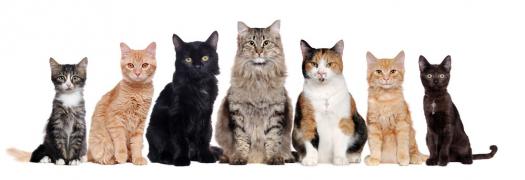
Standard Weight for Thai Cats and Proper Weight Management Guidelines

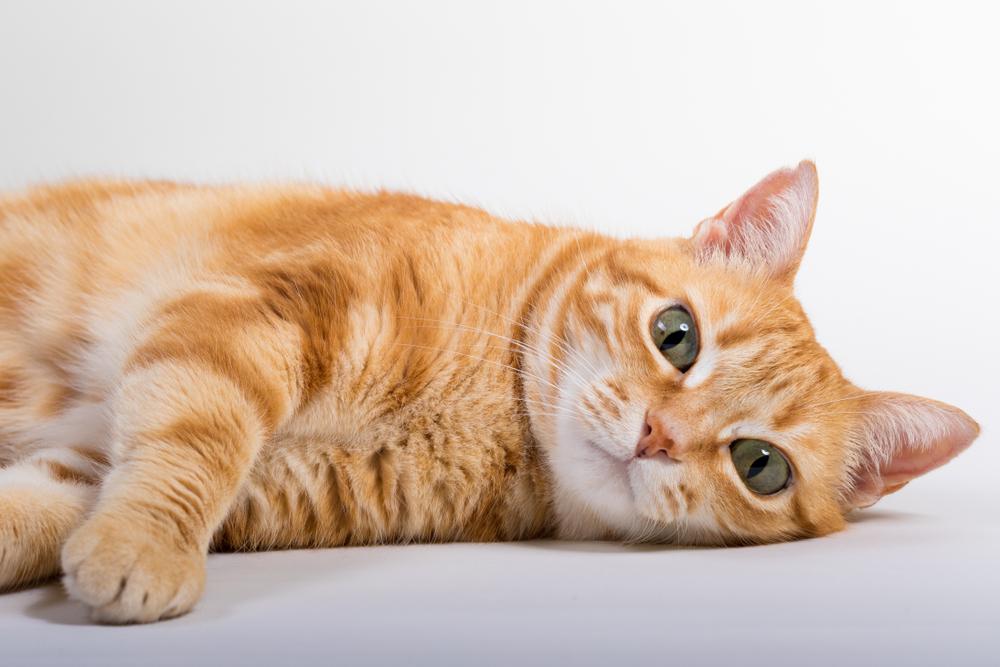
Many cat owners wonder whether their cat is too heavy or too light, since weight has a direct impact on a cat's health, lifespan, and lifestyle behaviors. Knowing the Thai cat weight standard, along with comparing age to an appropriate weight chart, helps owners provide better care and reduces the risk of various conditions, whether obesity, joint disease, or malnutrition. Most importantly, it helps your cat stay healthy and with you for a long time.
Factors That Affect a Cat's Weight
The first thing to understand is that "a cat's body weight isn't just a number that goes up or down" -- it also reflects your cat's body condition and overall health. Several factors determine these changes, as follows:
1. Cat Breed
Thai cats are classified as having a sleek/moderate body type, with a bone structure that isn't as bulky as some foreign breeds, such as the Maine Coon or British Shorthair, which can weigh as much as 6-10 kg. So when comparing weight for health purposes, breed should be one of the first things considered.
Sex (Male vs. Female)
Besides breed, determining how much a cat should weigh also depends on sex, since male cats tend to have a slightly larger frame due to greater muscle mass, and their average weight tends to be about 0.5-1 kg higher than females.
Age and Life Stage
Weight is directly related to age. Naturally, kittens gain weight rapidly and continuously according to a growth chart, and once they reach adulthood (around 1 year and older), their weight starts to stabilize. However, if weight increases significantly during this period, it can indicate being overweight. In senior cats (7 years and older), weight may decrease due to illness, physical changes, and reduced digestive capacity, or in some cases, weight may increase if daily activity decreases and the cat moves less than they should.
Body Structure
Each cat may have a different bone structure. Cats with a larger frame will weigh more than cats with a smaller frame, even with the same amount of fat. In addition, denser muscle mass can also increase overall weight. So assessing obesity or health issues requires looking at both body structure and muscle mass together.
Spaying/Neutering
Spaying/neutering reduces energy metabolism by about 20-30%, since it affects the hormones that regulate appetite. Spayed/neutered cats therefore have a higher risk of rapid weight gain if owners don't adjust their diet formula or continue feeding the same amount as before.
Daily Activity
Cats that use a lot of energy, exercise, or play frequently can more easily maintain a weight within the Thai cat weight standard, compared to cats that mainly live on the sofa. A lack of activity and play is also a major factor contributing to obesity, especially in cats raised in a closed indoor environment.
Diet and Eating Behavior
A cat's diet and eating behavior are the factors that most easily affect their body weight -- whether it's feeding unnecessarily high-energy food, free-feeding throughout the day, or regularly giving treats and human food. These are all major causes of exceeding the weight standards set out in the Thai cat weight chart.
Comparing Age and Appropriate Weight According to the Thai Cat Weight Chart
| Cat Age (Months) | Equivalent Human Age (Approx. Years) | Thai Cat Weight Standard (kg) |
|---|---|---|
| 1 month | 1 year | 0.3 - 0.4 |
| 3 months | 5 years | 1.0 - 1.3 |
| 6 months | 10 years | 2.5 - 3.2 |
| 12 months | 15 years | 3.5 - 5.0 |
| 24 months | 24 years | 4.0 - 5.5 |
| 5 years | 36 years | 4.5 - 5.5 |
| 10 years | 56 years | 3.5 - 4.5 |
| 15 years | 76 years | 3.0 - 4.0 |
Key Facts Every Cat Owner Should Know!
- The Thai cat weight standard is 3-5 kg for adult cats, with male cats averaging about 10-15% heavier than females.
- Larger foreign breeds, such as Maine Coon or British Shorthair, may average as much as 6-8 kg, depending on body structure.
- Kittens (0-6 months) gain weight the fastest during this period and should be given kitten formula food to supplement protein and calcium.
- Once reaching adulthood (7 months - 2 years), weight should be maintained within the standard range to prevent obesity.
- Neutered male cats tend to gain weight easily and should have their food intake controlled with increased physical activity.
- Senior female cats may lose weight due to loss of muscle mass and should have their diet formula adjusted to suit their age.
- Weight checks should be done at least once a month, to assess overall health and observe any abnormal changes.
- If a cat's weight increases or decreases by more than 10% within 1 month, bring them to see a veterinarian for a thorough examination of the cause.
How to Assess Your Cat's Weight (Body Condition Score: BCS) -- Something Every Owner Can Do Themselves
BCS is the standard veterinarians use to assess a cat's body fat, divided into 9 levels for a more detailed and accurate nutritional assessment. For a cat with a lean, sleek build and a weight within standard range, the ideal level should be 4-5/9.
| BCS Level | Weight Status | Observable Physical Characteristics (Visual and Palpation) |
|---|---|---|
| Underweight | ||
| 1 | Emaciated | Ribs, spine, and pelvic bones clearly visible from a distance, no fat cover found, no muscle mass, very deeply sunken abdomen |
| 2 | Very Thin | Ribs easily visible, spine and pelvic bones clearly visible, very minimal fat cover, clearly sunken abdomen |
| 3 | Thin | Ribs easily palpable but not clearly visible, spine slightly visible, clear waist tuck, but very little fat cover |
| Ideal Weight | ||
| 4 | Optimal Lean | Ribs easily palpable, with a very thin fat cover, waist curve clearly visible from above, and slightly tucked abdomen |
| 5 | Ideal | Ribs easily palpable, with a thin fat cover, waist curve clearly visible from above, and slightly tucked abdomen. This is the most ideal range. |
| Overweight/Obese | ||
| 6 | Overweight | Ribs palpable with slight pressure needed, increased fat cover, waist becoming harder to see, slight fat deposit on abdomen |
| 7 | Heavy | Noticeable pressure needed to feel ribs, moderate fat deposit on abdomen, waist starting to disappear, body appears round or rectangular from above |
| 8 | Obese | Very difficult or impossible to feel ribs due to thick fat cover, no waist curve, fat clearly hanging down from the abdomen |
| 9 | Severely Obese | Massive fat accumulation throughout the body, ribs cannot be felt at all, abdomen hangs down severely, and abnormally large fat deposits may be found around the neck and base of the tail |
A Thai cat with a BCS level of 6/9 or higher is considered to carry significant health risk, since it directly affects the respiratory system and joints, and makes the heart work harder.
How to Assess BCS by Hand
The hand-assessment method for Body Condition Score (BCS) evaluates the amount of fat covering the ribs, shoulders, and spine, by feeling along the following points:
- Feeling the Ribs: Stand or sit next to your cat, then gently run your fingers along the ribs on the side of the body. You should feel a thin layer of fat, and shouldn't be able to feel the ribs too distinctly.
- Feeling the Spine and Pelvis: Run your hand along the spine from the neck to the base of the tail, and feel around the pelvic bones above the base of the tail. You should be able to feel the bones, but they shouldn't feel too sharp.
Warning Signs of Cat Obesity and Risk of Joint Disease
For a cat with a naturally lean build, being overweight adds extra strain on the joints. So helping your cat lose weight is important to prevent obesity, which can easily lead to arthritis.
Symptoms: Overweight cats tend to become lazy, move more slowly, or rarely jump up to high places. If your once-playful cat now sleeps all day, that's one of the warning signs of obesity in cats.
Risks: Weight exceeding the standard, especially in Thai cats weighing over 5.0 kg, can lead to serious health problems, such as diabetes (obese cats have up to 4 times the risk), arthritis, and skin problems from being unable to groom themselves thoroughly.
Excess Weight and Heart Disease Risk in Cats
A cat's heart has to work much harder to pump blood to a larger body mass caused by excess fat. This extra strain on the heart can lead to Hypertrophic Cardiomyopathy (HCM) and high blood pressure.
Symptoms Owners Should Watch For: An obese cat who tires easily, breathes heavily while resting (respiratory rate above 30 breaths/minute), coughs, or loses their appetite are dangerous warning signs requiring an immediate heart checkup.
Prevention Approach: Strict weight management, choosing food appropriate for weight control, and getting an annual cat heart checkup are the key pillars of caring for an overweight Thai cat's health.
Keeping your cat's weight within the standard range doesn't just help maintain a proportionate figure -- it also reduces the risk of heart disease and other chronic conditions. If you notice your cat tiring easily, breathing heavily, or showing abnormal behavior, bring them in for a checkup with a specialist veterinarian, especially our pet cardiac checkup service at Thonglor Pet Hospital, at the branch nearest you. We're ready to provide comprehensive care 24 hours a day.
For more information, contact us at 02-079-9999 or our Line Official account @jaothonglor
References:
- Why Do Female Cats Get Bigger After Being Spayed? Unpacking the Post-Surgery Weight Gain. Retrieved October 17, 2025 from https://www.achwalnutcreek.com/why-do-female-cats-get-bigger-after-being-spayed/
- Cat Body Condition Score Chart (BCS). Retrieved October 17, 2025 from https://www.petobesityprevention.org/catbcs
- Healthy Cat Weight Chart by Age & Breed. Retrieved October 17, 2025 from https://avmajournals.avma.org/view/journals/javma/255/2/javma.255.2.205.pdf
- Growth Curve and Energy Intake in Male and Female Cats. Retrieved October 17, 2025 from https://www.sciencedirect.com/science/article/abs/pii/S1938973621000118
Contact Thonglor Pet Hospital
Have questions about veterinary care for your pet in Thailand? Contact our team to ask about services, find a suitable branch or arrange an appointment.
If you need English-speaking assistance, please let us know when booking so we can confirm availability.
Book an appointment: Schedule your visit
Call us: +66 2 079 9999
LINE: @jaothonglor
Find a location: Explore our branches
For information about opening hours, treatment costs and preparing for your visit, see our Frequently Asked Questions.
Related in This Category

Did You Know Dogs Can Suffer from Acid Reflux?
My Cat is Lethargic and Refusing Food: What Should I Do? A Guide to Caring for a Sick Cat
Is eating too much wet food dangerous for cats? At what age can they start?

Bad Breath in Dogs and Cats: A Warning Sign You Should Never Ignore