Essential Cat Vaccines for New Owners: Schedule & Tips

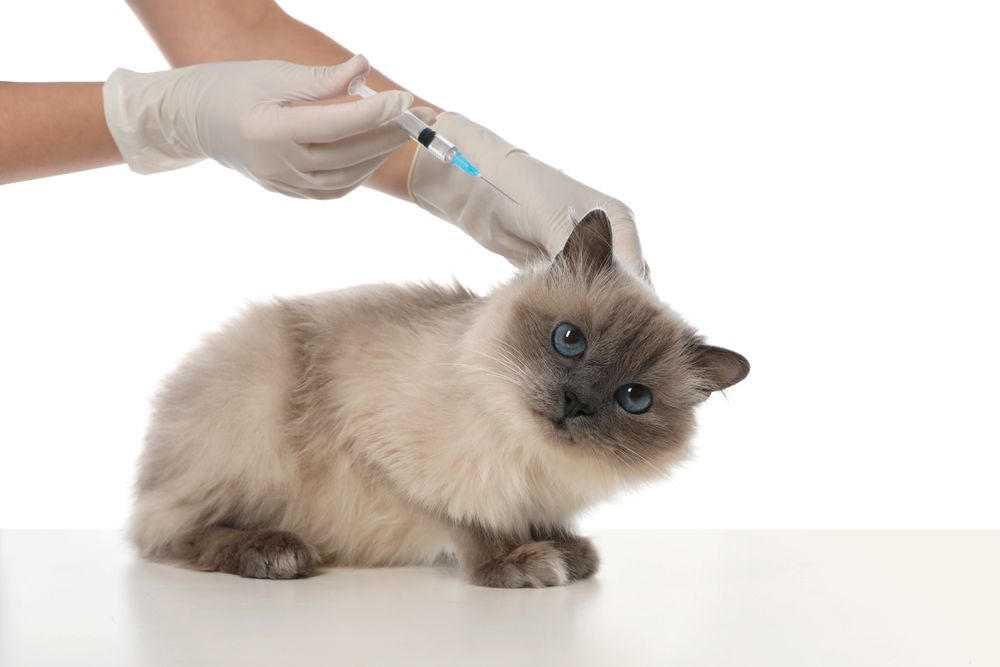
Raising a cat as a first-time owner can be challenging, especially when it comes to properly caring for your cat's health -- starting with the necessary vaccinations to protect against various diseases your cat could encounter.
Start your journey toward becoming an outstanding cat owner by understanding which vaccines your cat needs, the appropriate timing for each shot, post-vaccination precautions, and what every new cat owner should know to keep their cat in strong health.
Why Is Cat Vaccination Important?
Cat vaccination is something every cat owner needs to know about, since it helps protect against serious diseases that could make your cat sick or even cause death. In some cases, vaccines also help prevent diseases that can spread from cats to humans.
Preventing Diseases Commonly Found in Cats
Since infectious diseases can potentially affect any cat, and the risk of illness is high without proper vaccination, here are some of the most commonly found diseases:
- Feline Panleukopenia: This disease is caused by a virus that makes cats lethargic, lose their appetite, and develop a fever, and can weaken the immune system, potentially leading to secondary infections and death if not treated promptly.
- Feline Viral Rhinotracheitis: This disease is caused by a virus that causes cats to have a runny nose, coughing, sneezing, and difficulty breathing. It can also cause severe respiratory problems that become chronic if not properly cared for.
- Feline Calicivirus: This disease causes mouth ulcers, fever, and pain in cats. Infected cats can easily spread the virus through contact or close proximity/breathing near other cats.
Protecting Cats From Contagious Diseases
There are also diseases that can spread from one cat to another, which vaccination can help prevent, such as:
- Feline Immunodeficiency Virus (FIV): This disease is caused by a virus that destroys a cat's immune system, putting them at high risk of bacterial and other viral infections. It can also spread through biting, scratching, and mating.
- Feline Leukemia Virus (FeLV): This disease is caused by a virus that causes abnormalities in white blood cells and low white blood cell counts, and can put cats at high risk of cancer and chronic infections. The FeLV vaccine helps reduce the risk of infection from other cats carrying this virus.
- Feline Infectious Peritonitis (FIP): This disease is caused by a virus and usually causes fluid buildup in the abdomen and chest, along with fever and loss of appetite. Although this disease doesn't spread directly from cat to cat through contact, the FIP vaccine is classified as a Non-Recommended Vaccine, since the vaccine's effectiveness is still unclear. Treatment approaches should therefore be left to a veterinarian's discretion.
What Vaccines Does a Cat Need?
Many new cat owners wonder what vaccines their cat actually needs. The answer includes both core vaccines that every cat must receive, and non-core vaccines that should be considered based on the cat's behavior and living environment. The key vaccines are:
- Combined Cat Vaccine (FVRCP): Protects against Feline Panleukopenia, Feline Viral Rhinotracheitis (Feline Herpesvirus), and Feline Calicivirus (which causes mouth and tongue ulcers).
- Rabies Vaccine: Protects against rabies, which can spread to humans and is considered an extremely severe and dangerous disease.
- Feline Leukemia Vaccine (FeLV): Builds immunity to protect against Feline Leukemia, effectively boosting the cat's immune system.
- Feline Immunodeficiency Virus Vaccine (FIV): Protects against FIV, which can put cats at high risk of infection and cancer.
- Chlamydia Vaccine: Protects against Chlamydia bacterial infection, which causes eye inflammation, swelling, and excessive tearing in cats.
At What Age Can a Cat Be Vaccinated?
Vaccination for kittens can begin once they reach 8 weeks of age or older. The first round of vaccines is the combined cat vaccine (FVRCP), and the rabies vaccine begins around 12 weeks of age, with booster shots given every 3-4 weeks until 16 weeks of age.
Cat Vaccination Schedule Every Cat Owner Should Know!
| Age Range | Cat Vaccination Program |
|---|---|
| 8 weeks and older | Combined Cat Vaccine (FVRCP), Dose 1 |
| 12-14 weeks | Combined Cat Vaccine (FVRCP), Dose 2 Feline Leukemia Vaccine (FeLV), Dose 1 |
| 16 weeks | Combined Cat Vaccine (FVRCP), Dose 3 Feline Leukemia Vaccine (FeLV), Dose 2 |
| After 16 weeks | Rabies Vaccine, Dose 1 (if not yet received) |
| Annual Booster | Combined Cat Vaccine (FVRCP) annual booster Rabies Vaccine annual booster, per law and veterinarian recommendation |
Note: For the Feline Leukemia vaccine program, a blood test is required beforehand every time, since vaccinating a cat that's already infected provides no therapeutic benefit and increases the risk of additional vaccine side effects.
Why Are Annual Vaccine Boosters Important for Cats?
Annual booster vaccinations help maintain normal immunity levels in your cat, since immunity from vaccines gradually declines over time. Annual boosters help ensure your cat continues to be effectively protected against various diseases.
The "Rabies Vaccine" Is Required by Law
Under the Rabies Act B.E. 2535 (1992), owners of both dogs and cats are required to have their pets vaccinated against rabies by a veterinarian within the specified timeframe. The first vaccination can be given when a cat is 2-4 months old, followed by a second dose 2-4 weeks after the first, and annual boosters thereafter to maintain appropriate immunity levels.
Precautions After Cat Vaccination
After your cat has been vaccinated, owners still need to follow certain precautions to help their cat recover quickly and safely, including:
- Avoid bathing your cat for at least 7 days after vaccination.
- Don't let your cat outside or out to play.
- Limit your cat's movement, keeping them in a safe area for at least 2-3 days to monitor for symptoms.
- Avoid exercise or rough play after vaccination.
Caring for your cat's health starts with vaccination. Don't forget to bring your cat in for vaccination to prevent serious diseases that could occur in the future, and keep your cat healthy all year round. Thonglor Pet Hospital offers cat vaccination services 24 hours a day. Contact us for pricing or consultation at 02-079-9999 or our Line Official account @jaothonglor
References:
- What You Need to Know About Cat Vaccination and Post-Vaccine Precautions. Retrieved July 24, 2025 from https://www.purina.co.th/articles/cats/health/special-needs/cats-vaccination
- Cat Vaccination: An Essential Task No Cat Owner Should Miss. Retrieved July 24, 2025 from https://hdmall.co.th/blog/c/cat-vaccination/
- Summary of Key Points of the Rabies Act B.E. 2535. Retrieved July 24, 2025 from https://legal.dld.go.th/...
Contact Thonglor Pet Hospital
Have questions about veterinary care for your pet in Thailand? Contact our team to ask about services, find a suitable branch or arrange an appointment.
If you need English-speaking assistance, please let us know when booking so we can confirm availability.
Book an appointment: Schedule your visit
Call us: +66 2 079 9999
LINE: @jaothonglor
Find a location: Explore our branches
For information about opening hours, treatment costs and preparing for your visit, see our Frequently Asked Questions.
Related in This Category

Did You Know Dogs Can Suffer from Acid Reflux?

My Cat is Lethargic and Refusing Food: What Should I Do? A Guide to Caring for a Sick Cat

Is eating too much wet food dangerous for cats? At what age can they start?

Bad Breath in Dogs and Cats: A Warning Sign You Should Never Ignore